
One of the countries I was hoping to visit while living in Europe was Russia. But it never happened. Much to our surprise, D came home two months ago with the news that he had a conference in St Petersburg. I was thrilled. Mysterious and intriguing was what I had always read and heard about Russia. It did not disappoint!
We flew into Moscow, Russia's capital, a city that now claims the largest community of billionaires in the world (79 of them). Yes, Moscow is very expensive, but compared to Brussels or Singapore, it was on par.
Having been hidden behind the Iron Curtain for decades, we found Moscow to be fascinating on so many levels. But what really stood out to us was how little English was spoken – including a lack of English signs/menus etc. Not only is there no English, but also their alphabet is Cyrillic – completely different from our alphabet. Here is an example: Благодарим Вас за посещение нашего блога! It says: "thank you for visiting our blog".

Moscow turned out to be one of the most difficult countries for us to get around because of the lack of English and the different alphabet. But, this made it that much more of an adventure! This is the sign we had to work with. If they were written in our alphabet, we could have at least matched the letters!

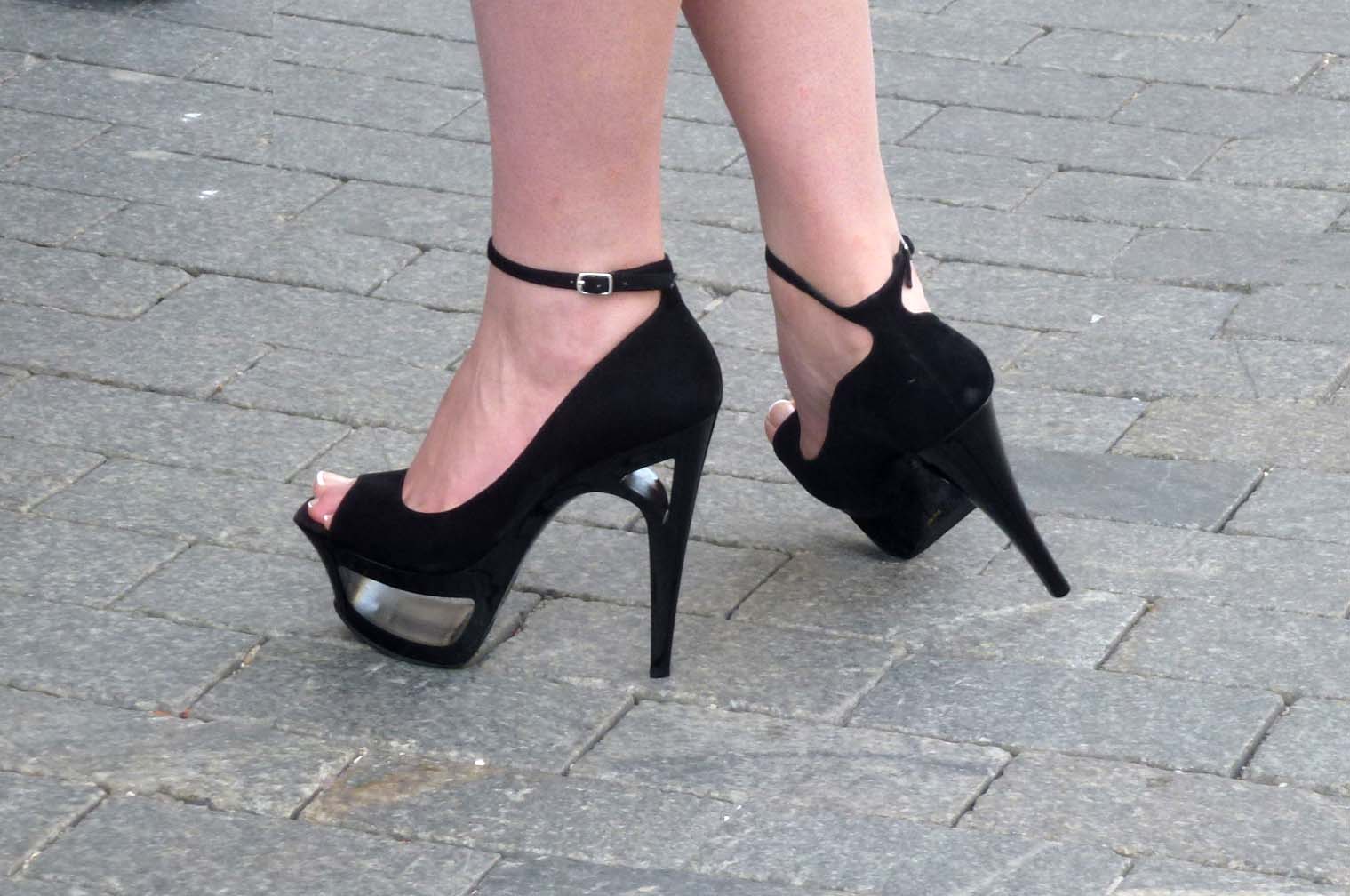
Other things that stood out were how many super-tall, super-fashionable, super-beautiful Russian women live in Moscow! We have traveled to Paris many times and have never seen women like this. We both enjoyed the fashionable women….but I am guessing for different reasons : )

and the shoes….oh the shoes! I have never seen such high high heels. But those Russian girls were working them!
We were also impressed by how clean we found the city. There very few beggars, bums, gypsies, and graffiti. We actually felt very safe. Much safer than other European cities we have visited….or any large U.S. city.
Red Square
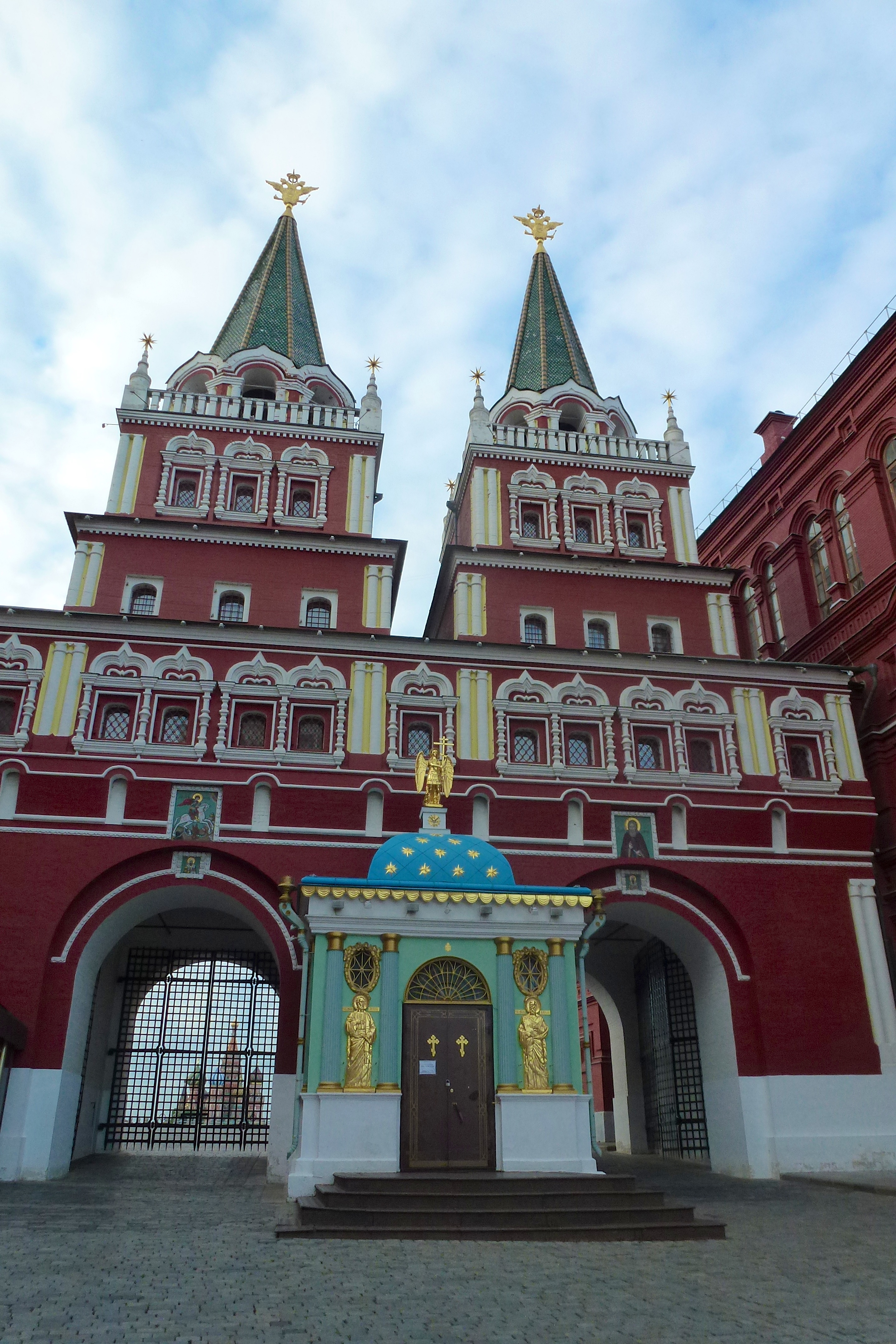
The gate to the Red Square, built in 1996, is a replica of the 16th century gate. Stalin had the original torn down to allow tanks easier access to the square for military parades.
Once you walk through the gates there is the most magnificent view of Red Square, which is not red and it is not square. It lies in the heart of Moscow and on its four sides stand the Kremlin, GUM Department Store, the State Historical Museum, and St. Basil's Cathedral. The square is also home to Lenin’s tomb.

Red Square was established in the 15th Century and was meant to serve as Moscow's main marketplace.
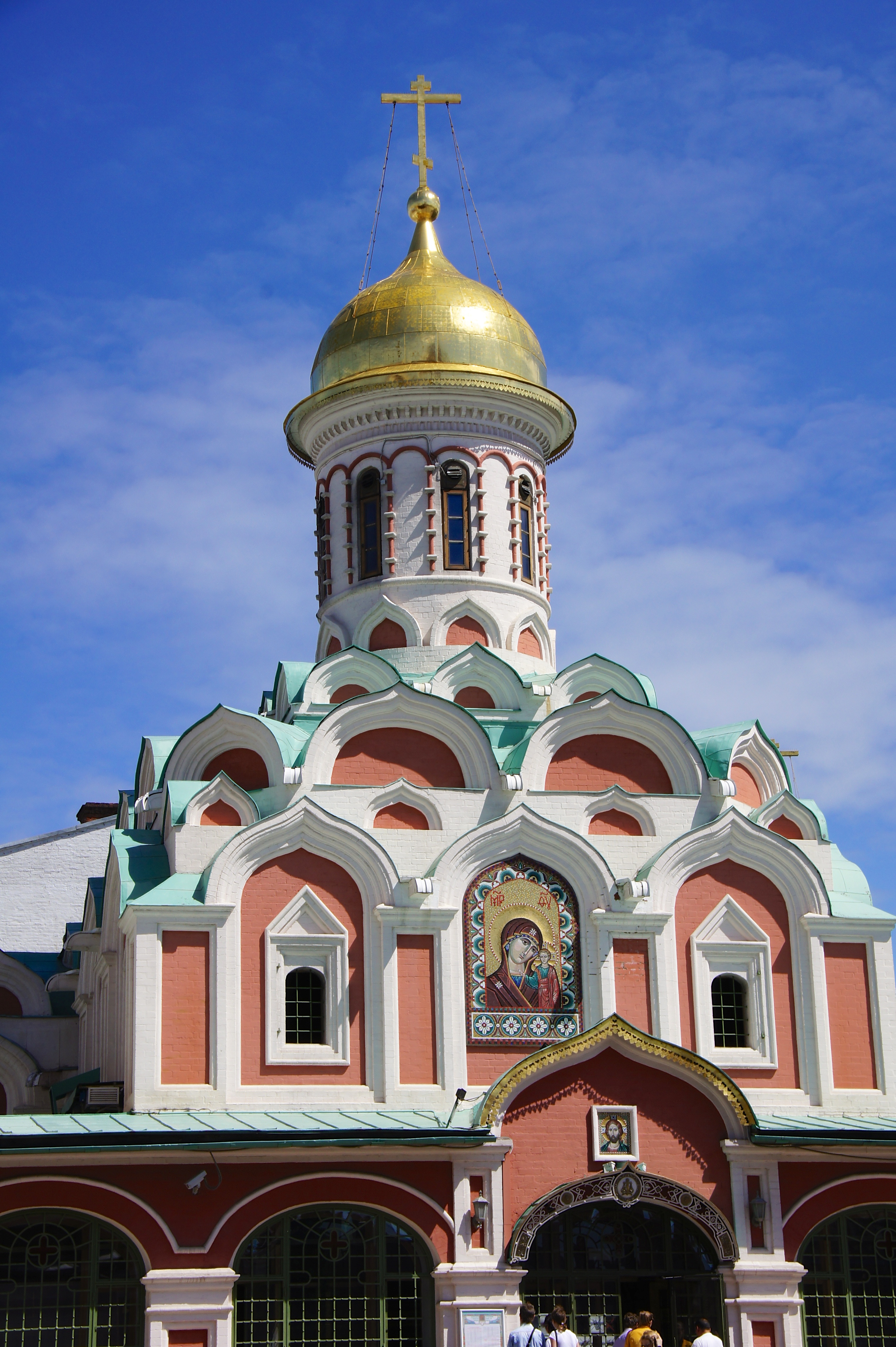
The square's name comes from the word 'krasnyi', originally meaning beautiful and red in “old” Russian.

St. Basil Cathedral
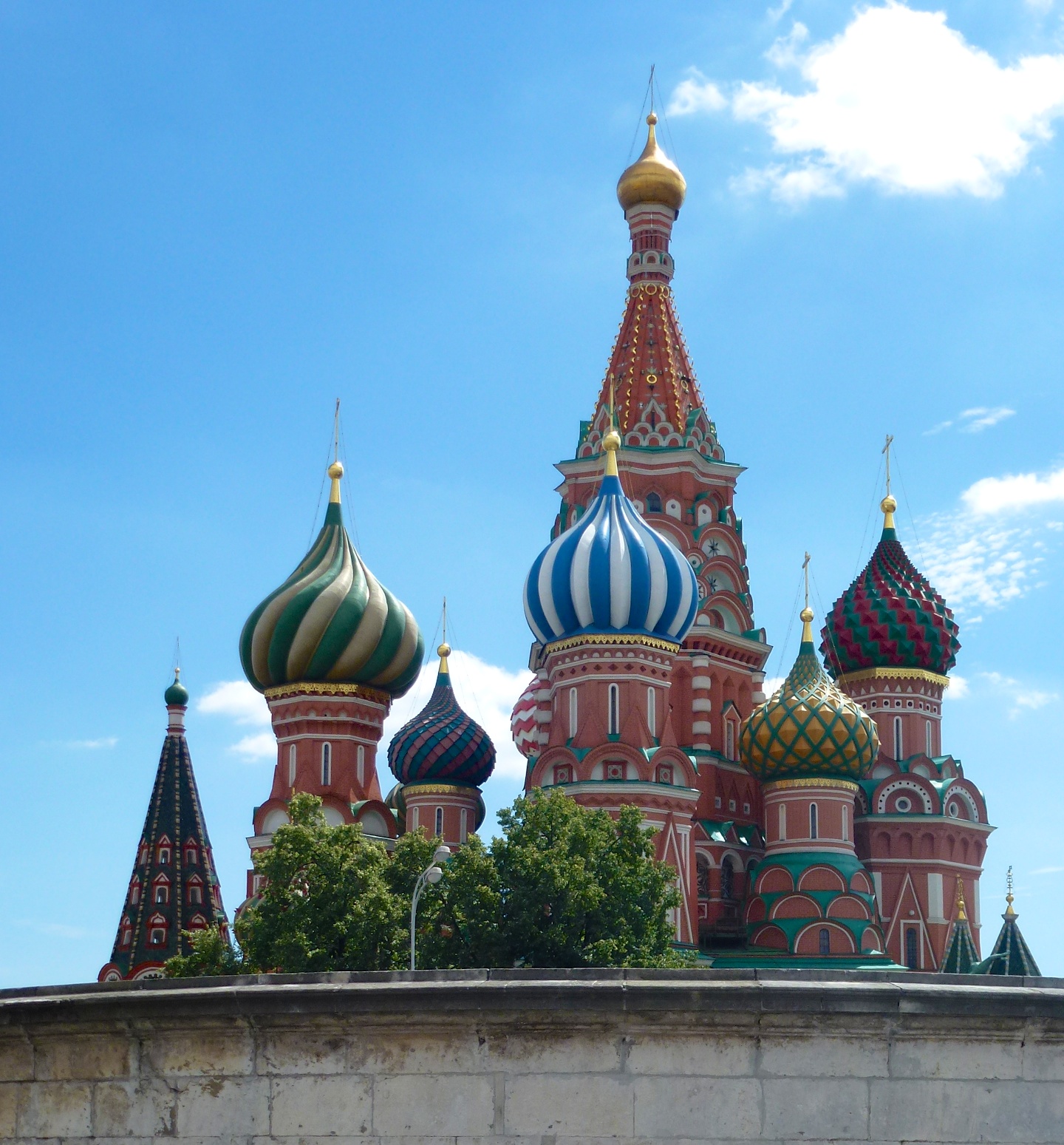
St. Basil's Cathedral, a Russian Orthodox Church, is one of the most recognizable images of Moscow. It was declared a UNESCO World Heritage Site in 1990. The variety of crazy colors and shapes of the structure are amazing and in a style that is unique to Russian architecture.

Ivan the Terrible built the Cathedral between 1555 and 1561. According to legend, Ivan had the architect who designed it, Postnik Yakovlev, blinded to prevent him from creating the masterpiece anywhere else. It wasn’t until 1670 that the domes were colored and patterned, giving its multicolored appearance we know today.

I love this shot of D trying to capture the perfect photo. It was very early in the mornig when there were few visitors in the square. The photo he took is the very first one on this post – I'd say he did a pretty good job capturing it!

We are lucky St Basil's is still standing. Napoleon ordered it to be destroyed in 1812, fortunately, his troops did not have time to complete the task. And it was nearly demolished under Stalin, who considered it an obstruction, and wanted it torn down. Architect Baranovsky protested the move. He stood on the steps of the cathedral and threatened to cut his own throat if St Basil's was destroyed. Stalin backed off, but for the "act of heroism", Baranovsky earned five years in the labor camp.
Sergiev Posad
We wanted to see a town outside of the Moscow so we took a 1 1/2 hour train ride to the town of Sergiev Posad to see the Trinity Lavra of St. Sergius Monastery. The train ride was quite the adventure. It took us over an hour to purchase the tickets at the Yaroslavl Station (Metro Komsomolskaya).
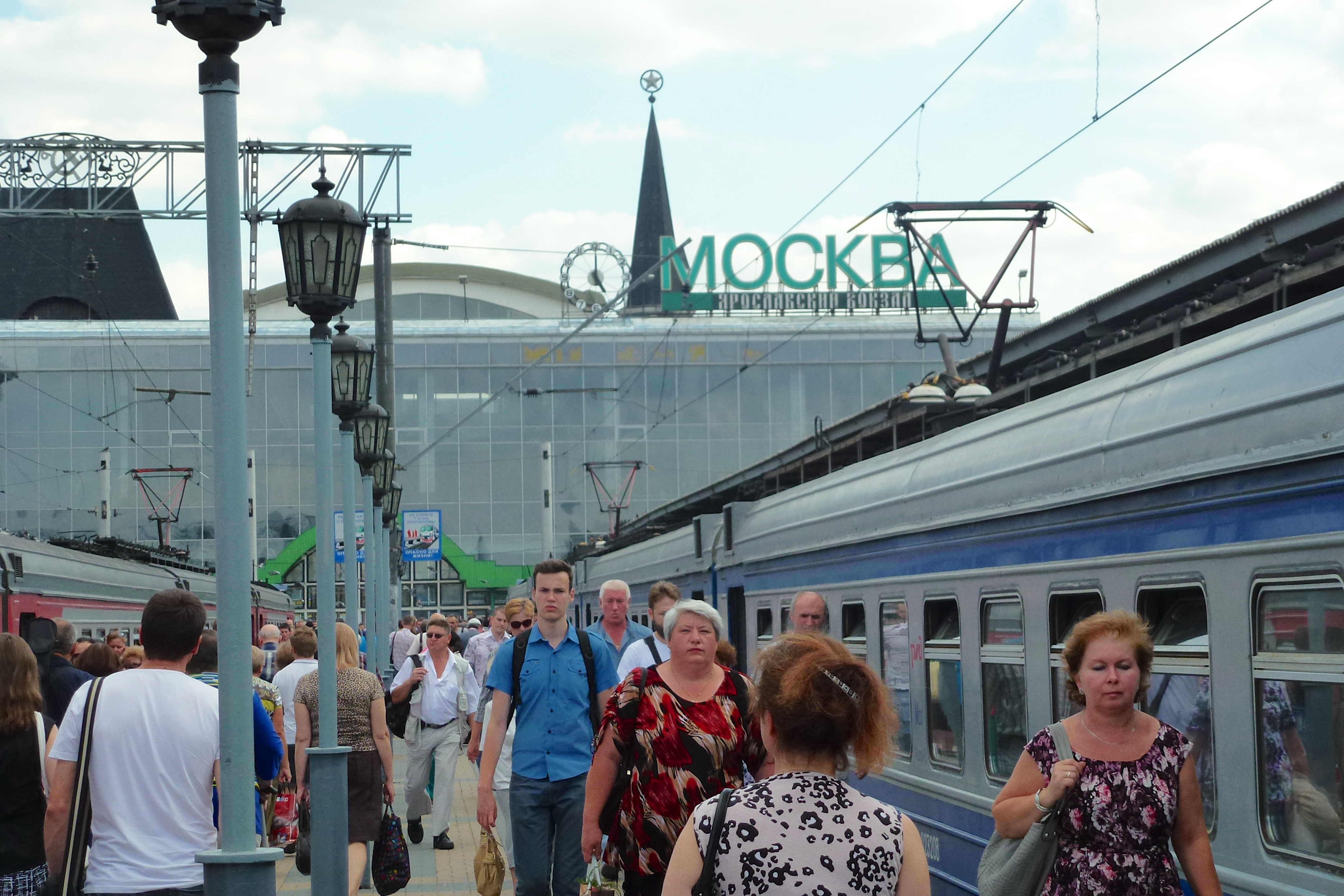
Again, there were no signs in English and no one spoke English – not even the people selling tickets. Just when we were ready to give up, we found the correct window, and the purchase only took 3 minutes! Cost – $6 each, round trip. It was a local train, which provided for a fascinating ride. We were on the train early and secured a bench seat to ourselves…little did we know the train packed 3 or 4 to a bench! Something we had never seen was the “selling” of a variety of items on the train. Not just a beggar selling candy but a full-blown presentation at the front of the train. They took turns yelling down the isle trying to sell their goods. One man had a fishing rod, which he opened fully by casting it down the middle of the isle.

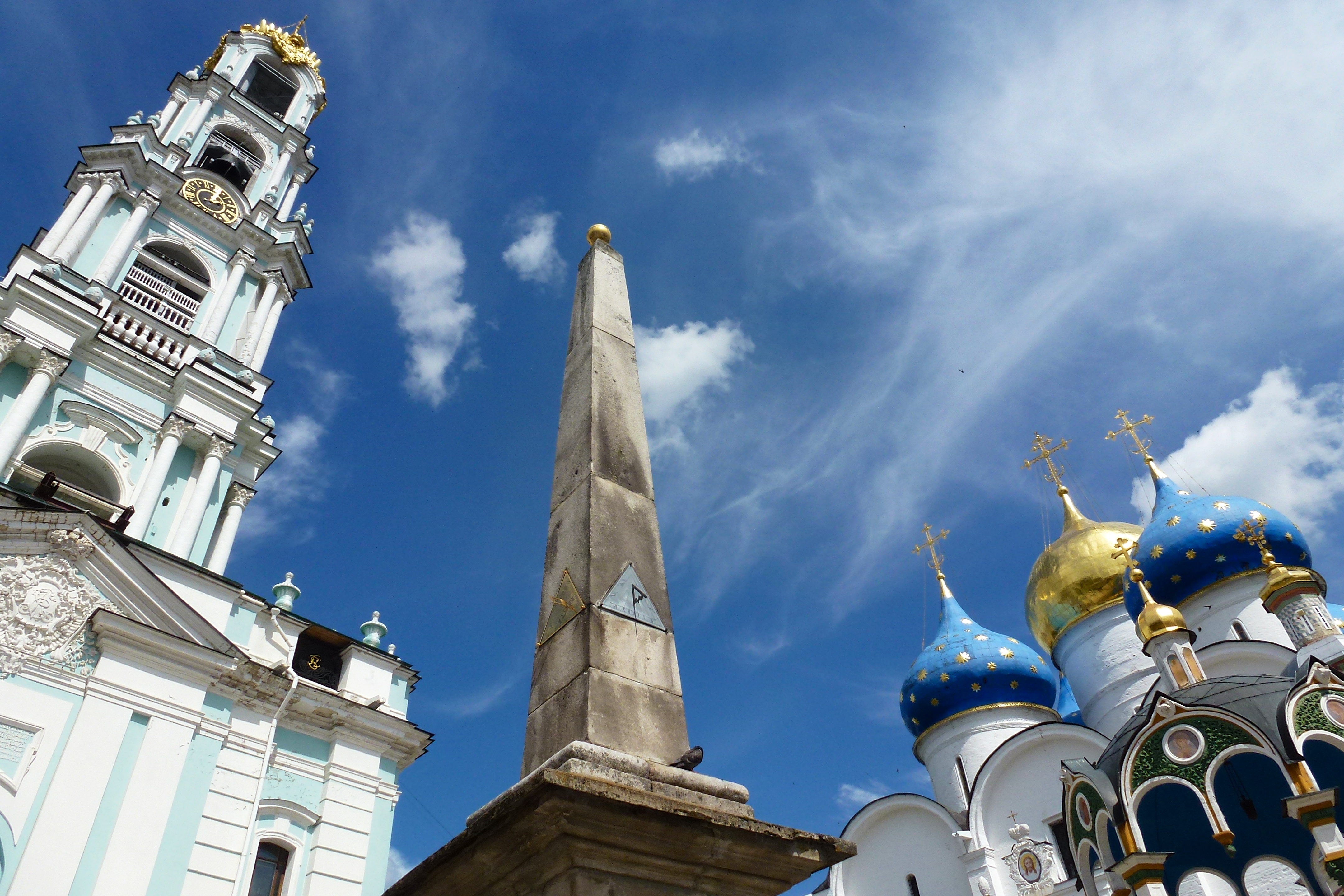
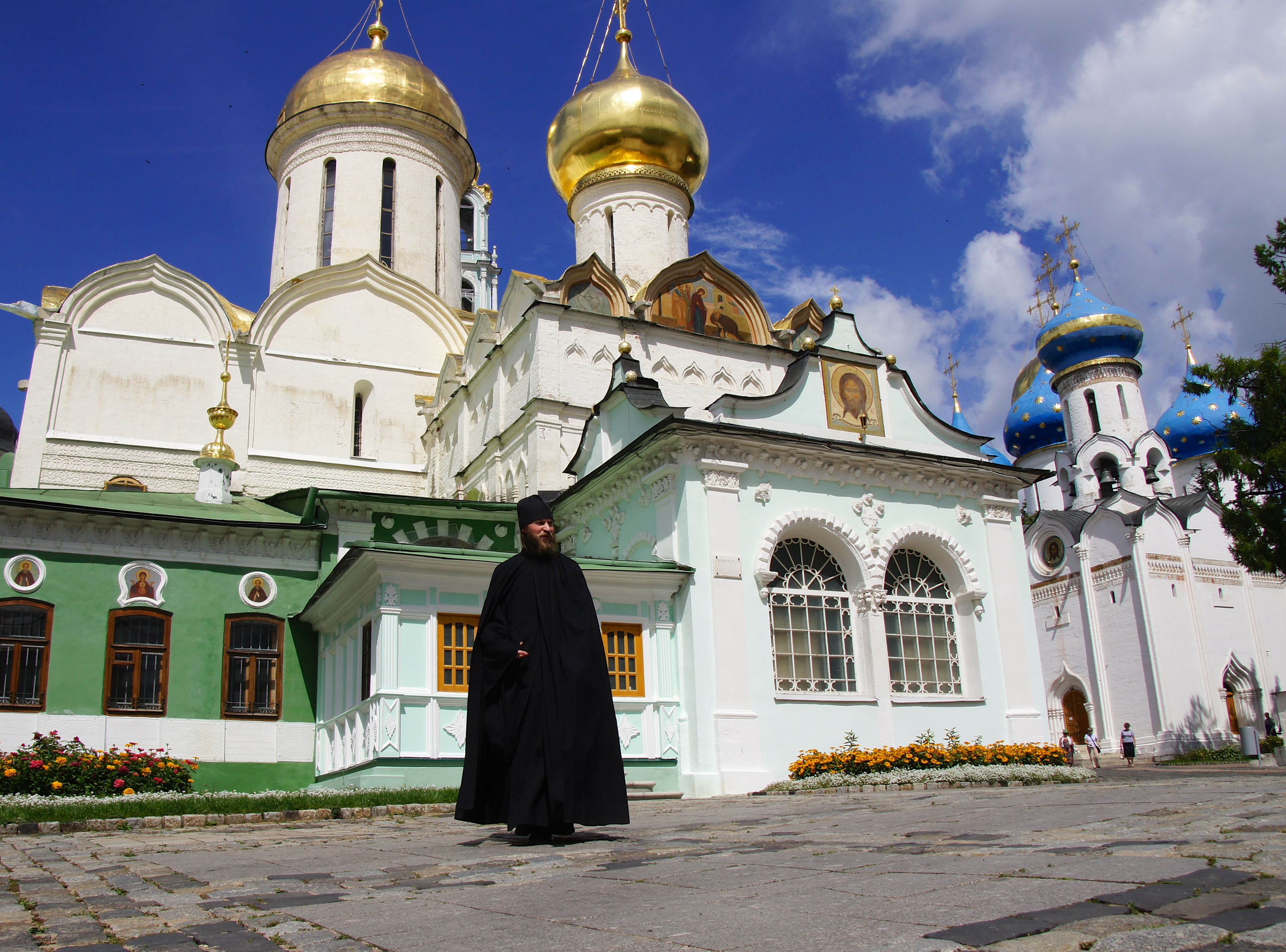
As you approach the Monastery, you get a breathtaking view of the large religious complex. The Trinity Lavra of St. Sergius is the most important Russian monastery and the spiritual centre of the Russian Orthodox Church. It is a working monastery and a UNESCO World Heritage Sight.

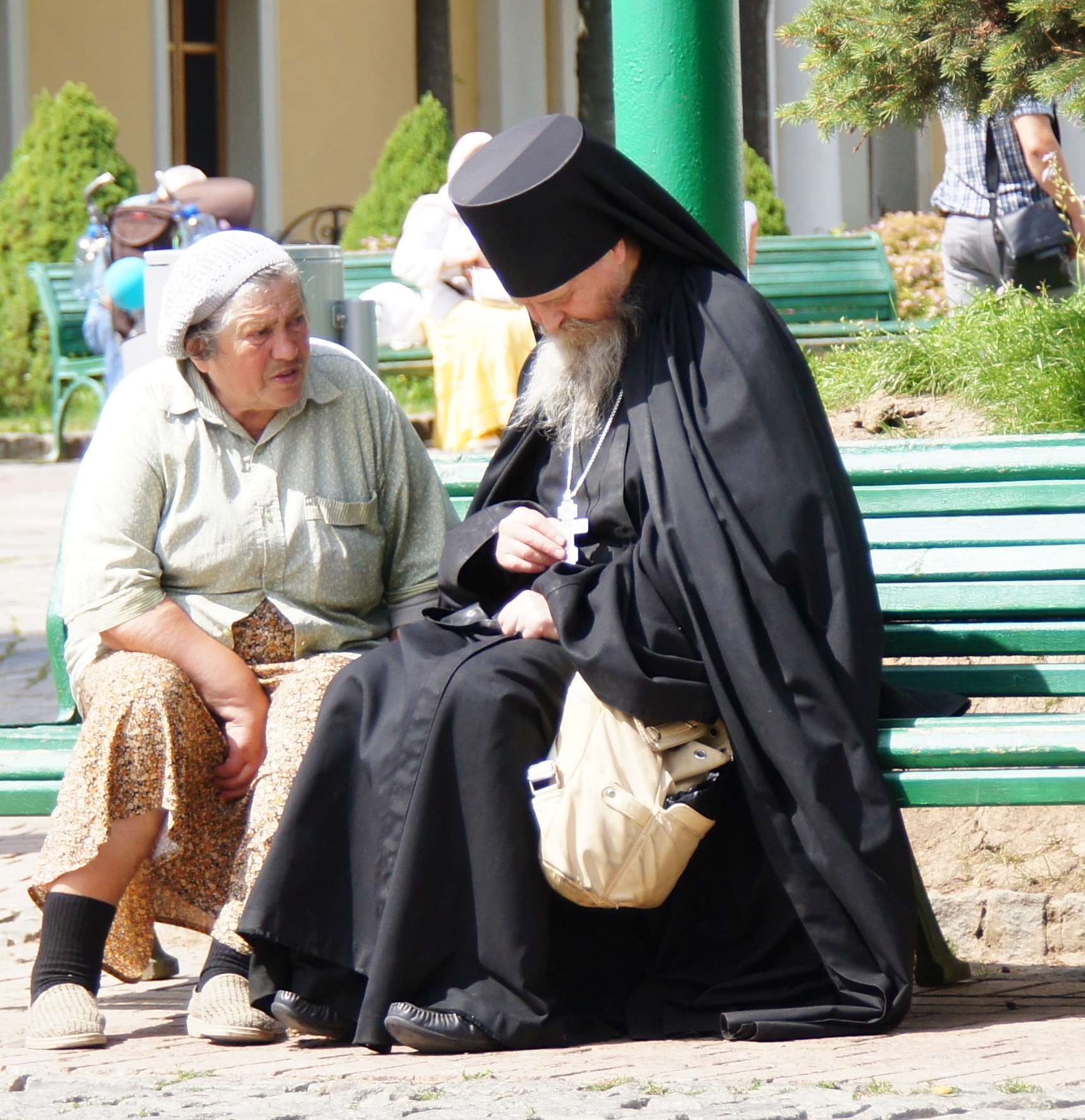
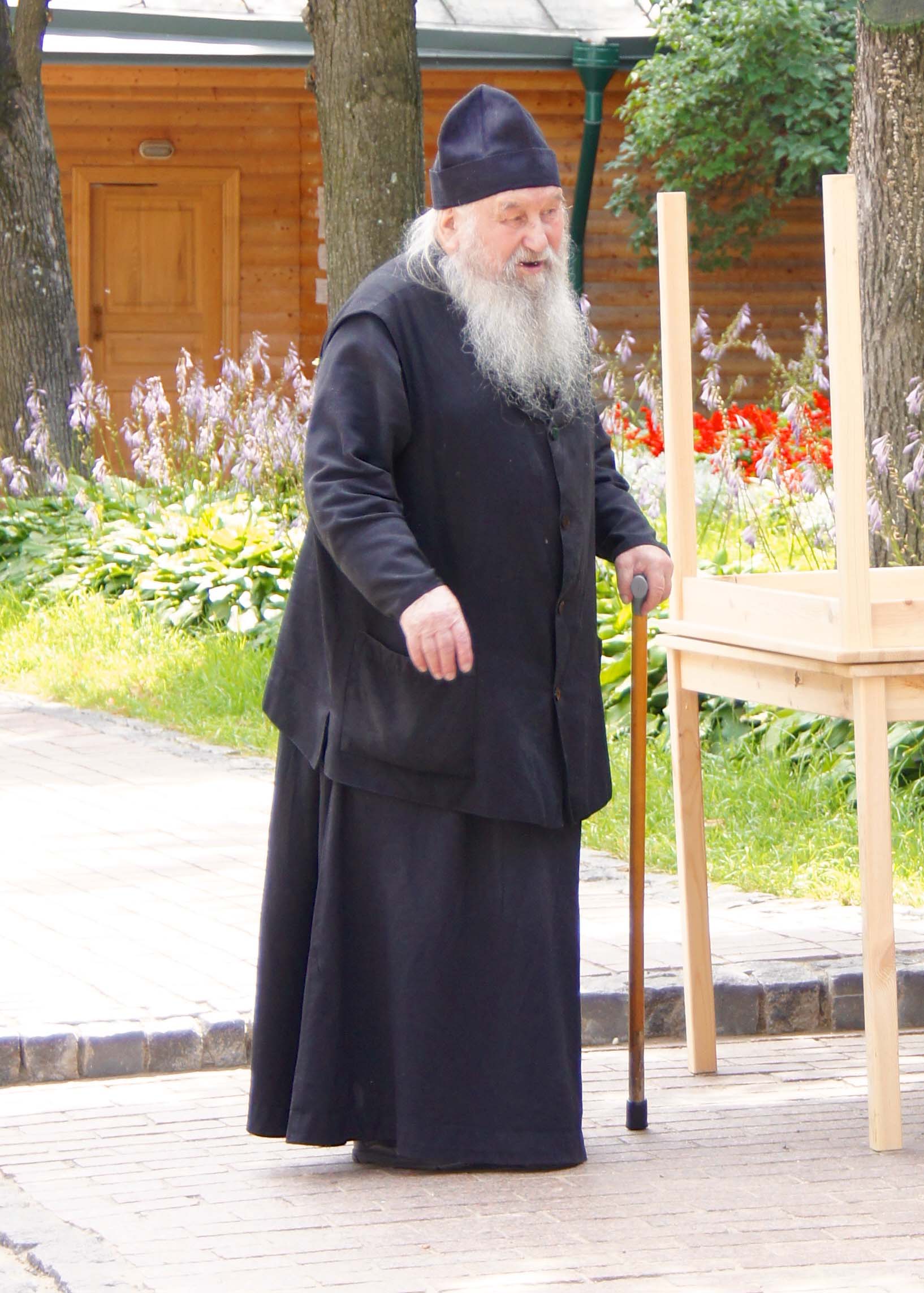
The entire complex had a very special feel that is hard to explain. Most people visiting were Russian, coming for a pilgrimage, not as tourists. If you look closely in the photos, all of the women had their heads covered in scarves; even the small girls and infants.

The Trinity St. Sergius Lavra was founded in 1345 by a local monk named Sergius, who was canonised as a Saint in the early 14th Century. A Lavra is the highest rank of the Orthodox monastery and is equivalent to the Vatican. Today, it is the home to over 300 monks.
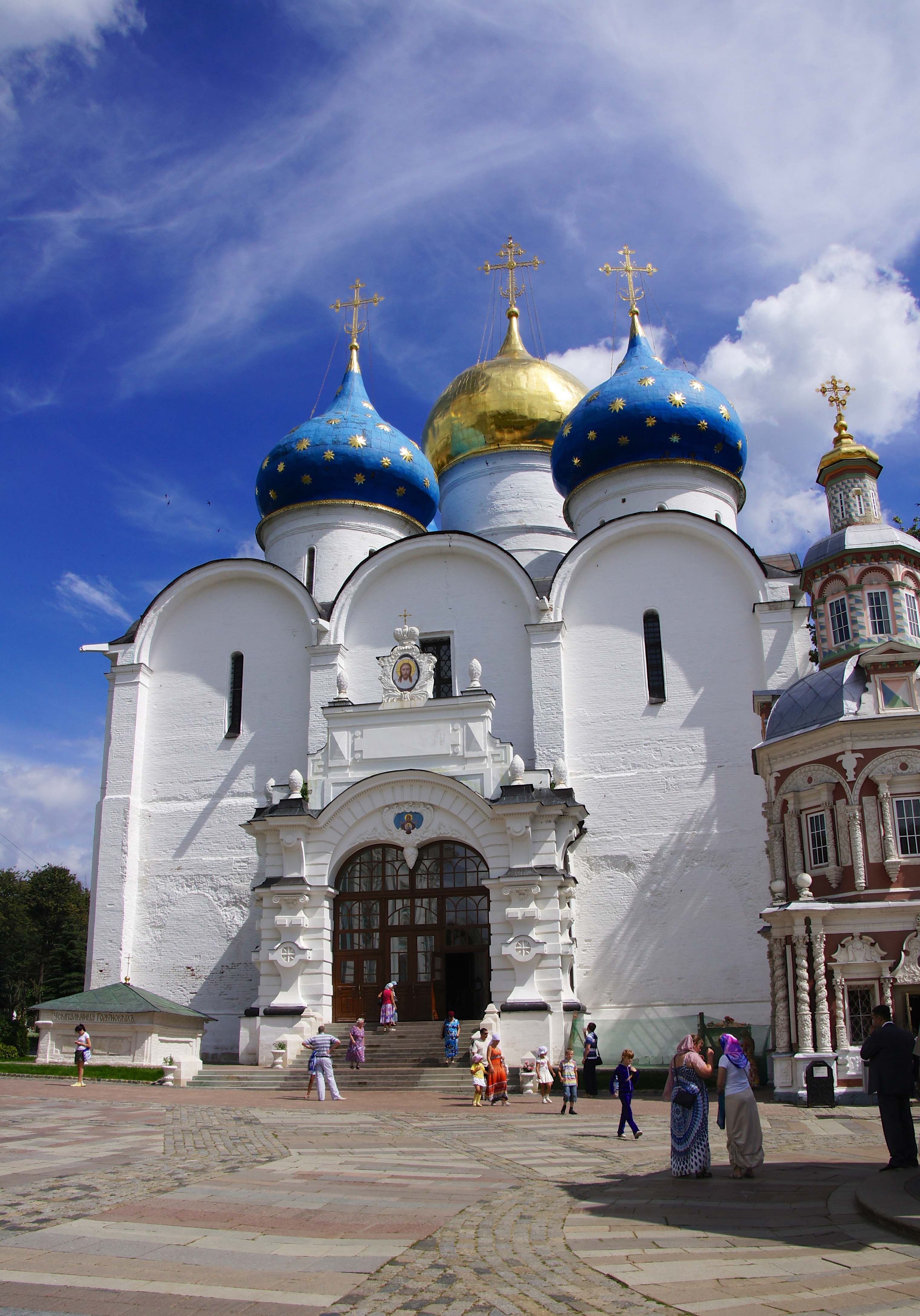
Assumption Cathedral
The largest building of the monastery is the Assumption Cathedral, which was built in 1559 by Ivan the Terrible. This beautiful cathedral is very similar to the Assumption Cathedral in Kremlin.
Inside was an amazing array of art. People were kissing the tombs to show respect and dedication.

Holy Trinity Cathedral
The Holy Trinity Cathedral, built in 1422, is a four-pillar single-domed church. It's interior is decorated with stunning frescoes.

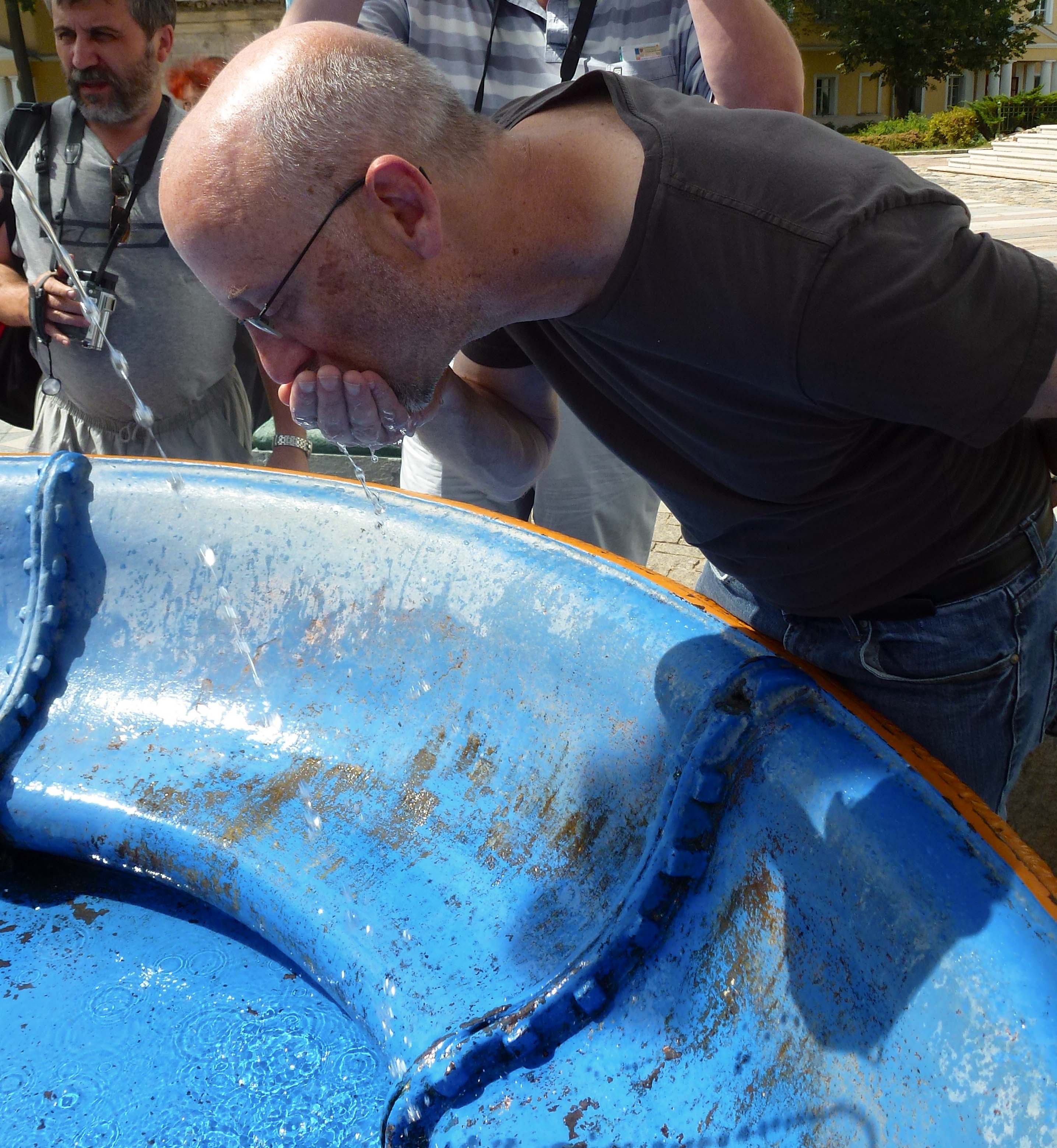
Holy water from the well was also popular, especially among the pregnant women. The well was built at the end of the 17th century over a spring, which appeared in 1644. It is believed that the water from the well cures the sick. The first person cured was a blind monk, whose eyesight returned after using the “miracle” water. Still today, people believe it is special water and they could be seen drinking it, washing their faces in it, and filling up very large containers to take it away.

We both had a taste – who knows, it may bring us good health.
The Church of the Holy Spirit, located in the centre of the monastery, is one of the oldest monuments in the complex. It is a four-pillared church and a single dome built from white limestone in an onion shape. The Belfry is the highest building in the complex.
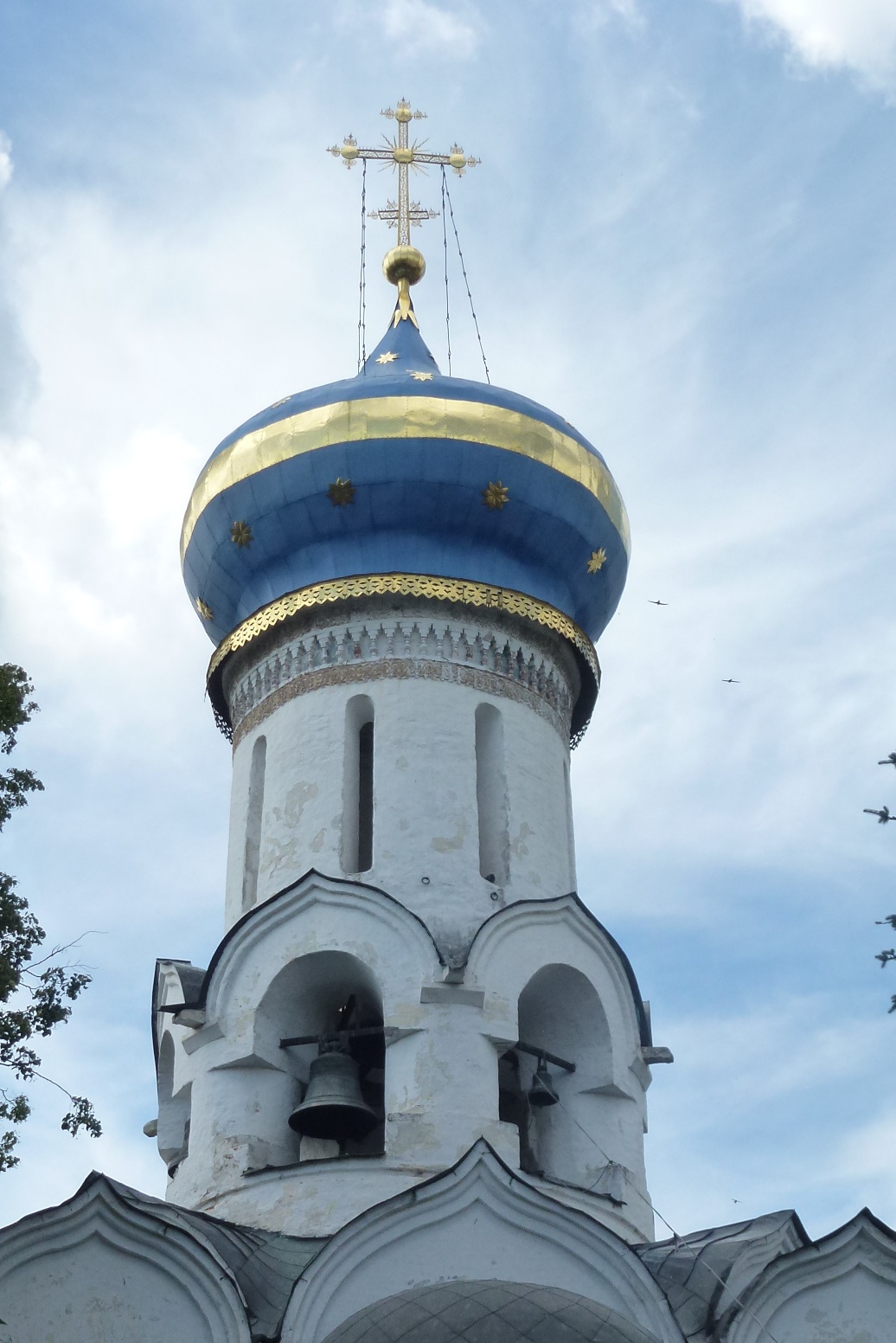
The Bell Tower
The bell tower was built between 1740–1770 and it is one of the tallest in Russia. It replaced the bell tower of the 17th century. The clock with chimes was installed in 1905.

The refectory of St. Sergius is painted in dazzling checkerboard design.
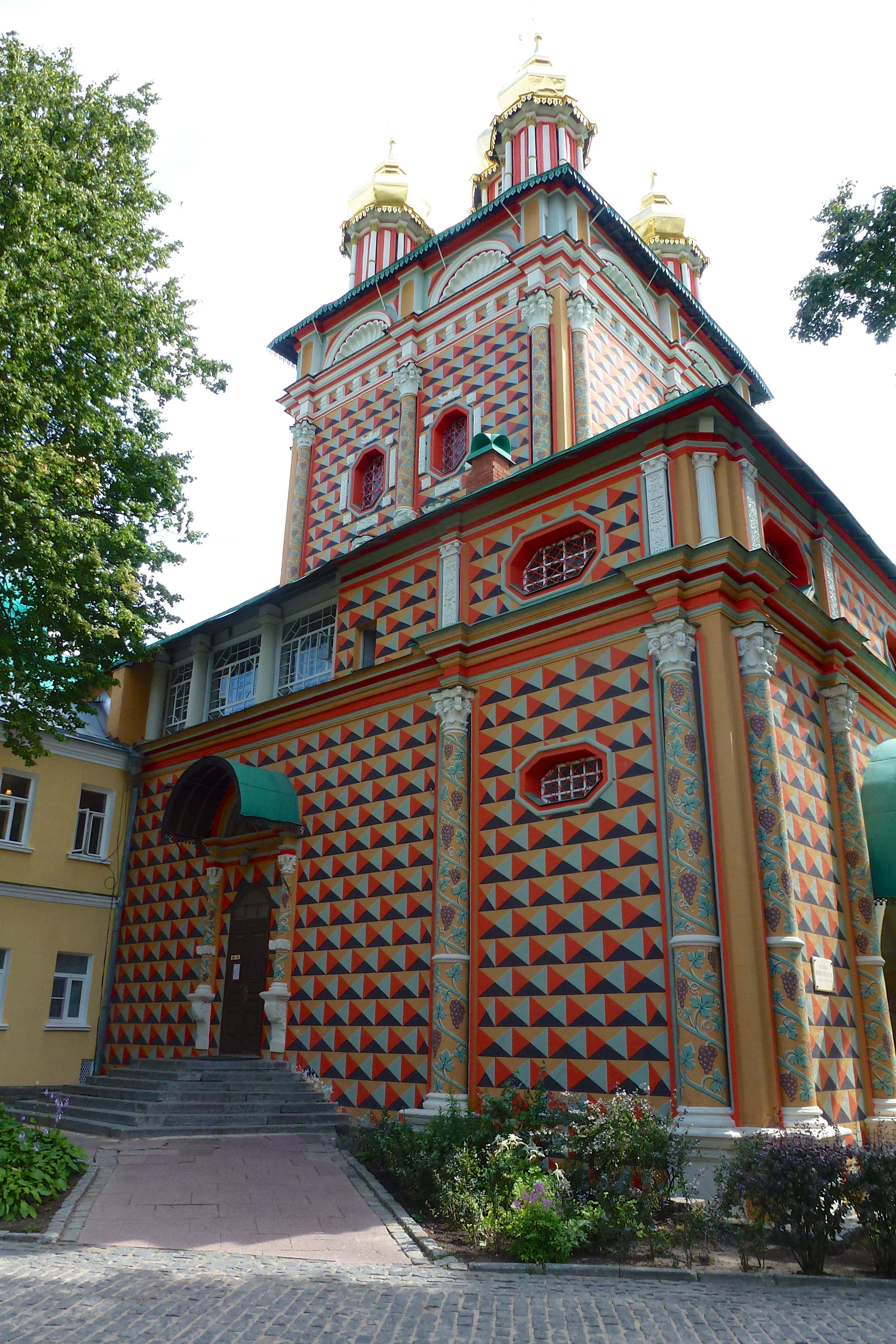
ahhhhh – wouldn't you love to sit and paint this amazing sight?
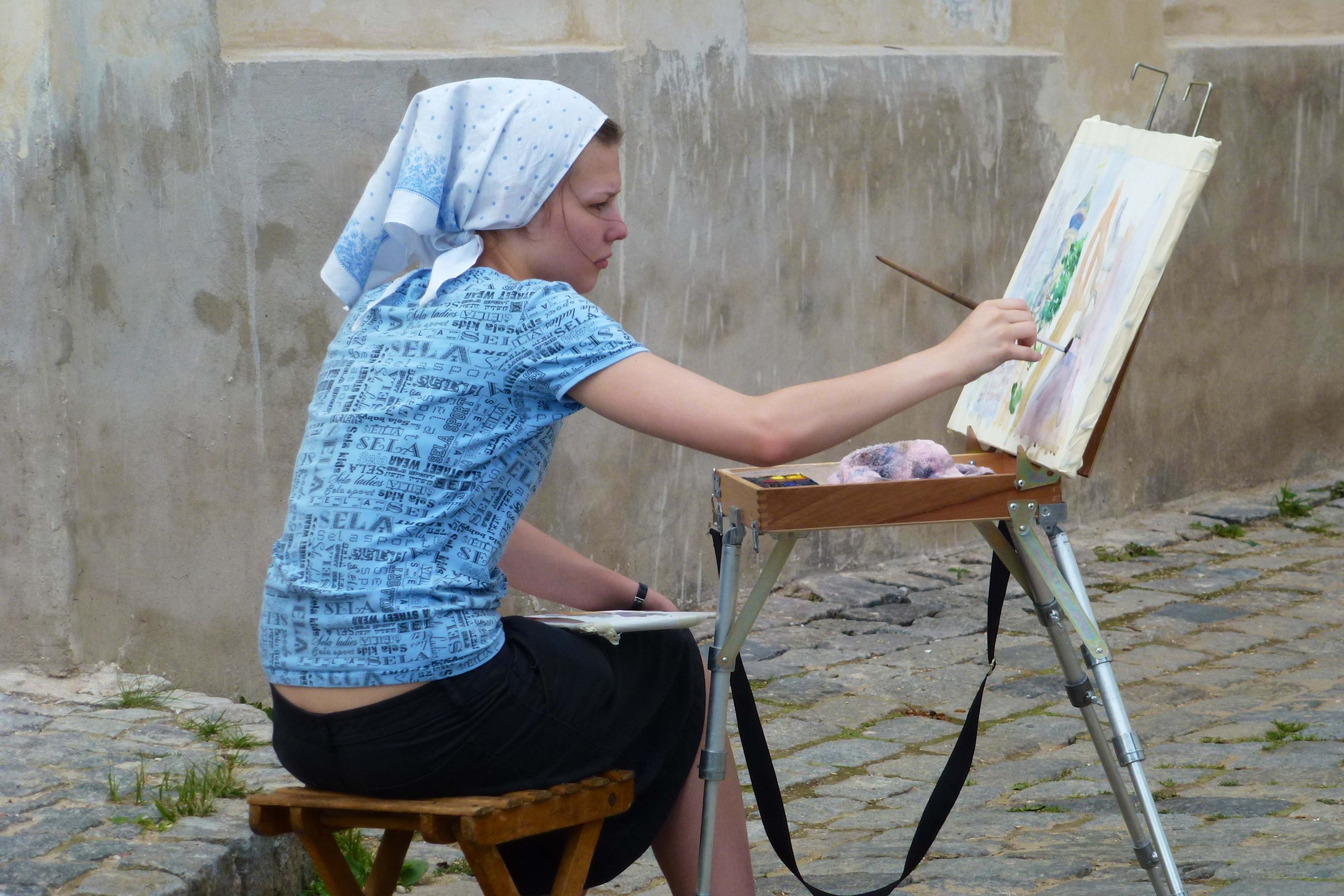
I am so glad we did not give up on purchasing those train tickets. The Trinity St. Sergius Lavra would be high on our "what to do" in Moscow list.
The Kremlin
The Kremlin, dating back to 1156, is a self-contained city with a multitude of palaces, armories, churches, even a medieval fortress and it is amazing. Since 1991, the Kremlin has been the official residence of the President of the Russian Federation. The entire Kremlin complex is a UNESCO World Heritage Sight.
The Trinity Gate Tower, built in 1495, is the tallest of the tower fortifications. It was under this gate that Napoleon’s troops both entered and fled from the Kremlin. The basement was used as a prison in the 16th Century.

As we entered through the gate onto the Kremlin grounds it was one of those moments we just looked at each other and said – who would have ever thought we would be standing in the middle of the Kremlin! Very cool.
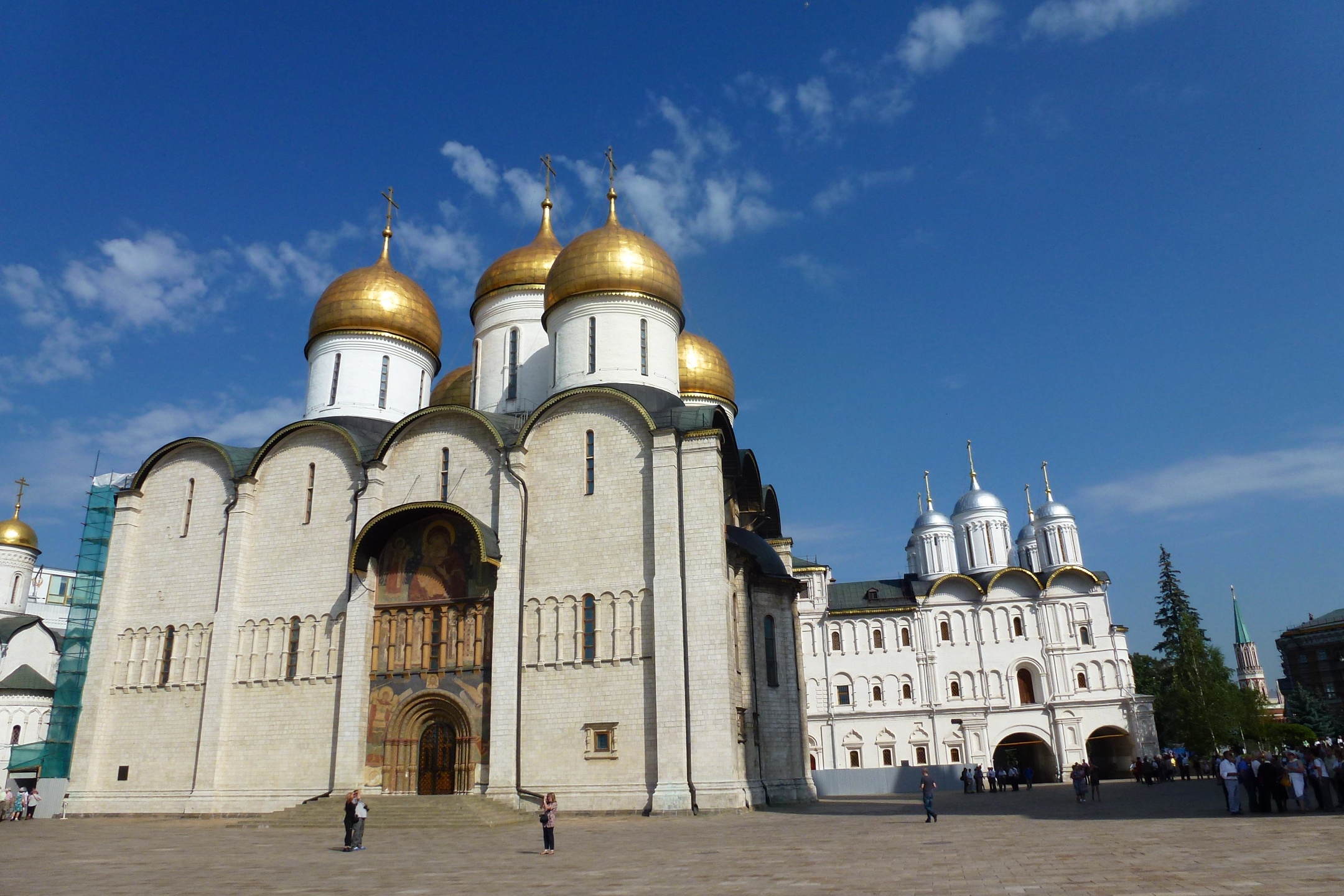
The Cathedral of the Assumption, built in 1479, is the oldest church in the Kremlin. The gabled frescoes were added in the 1660s, otherwise the exterior has remained almost unchanged to this day.


The Church of the Nativity – the Kremlin includes small domestic churches built from the 14th to the 17th centuries. Originally, there were eleven of them, but only six remain. The oldest of these is The Church of the Nativity.
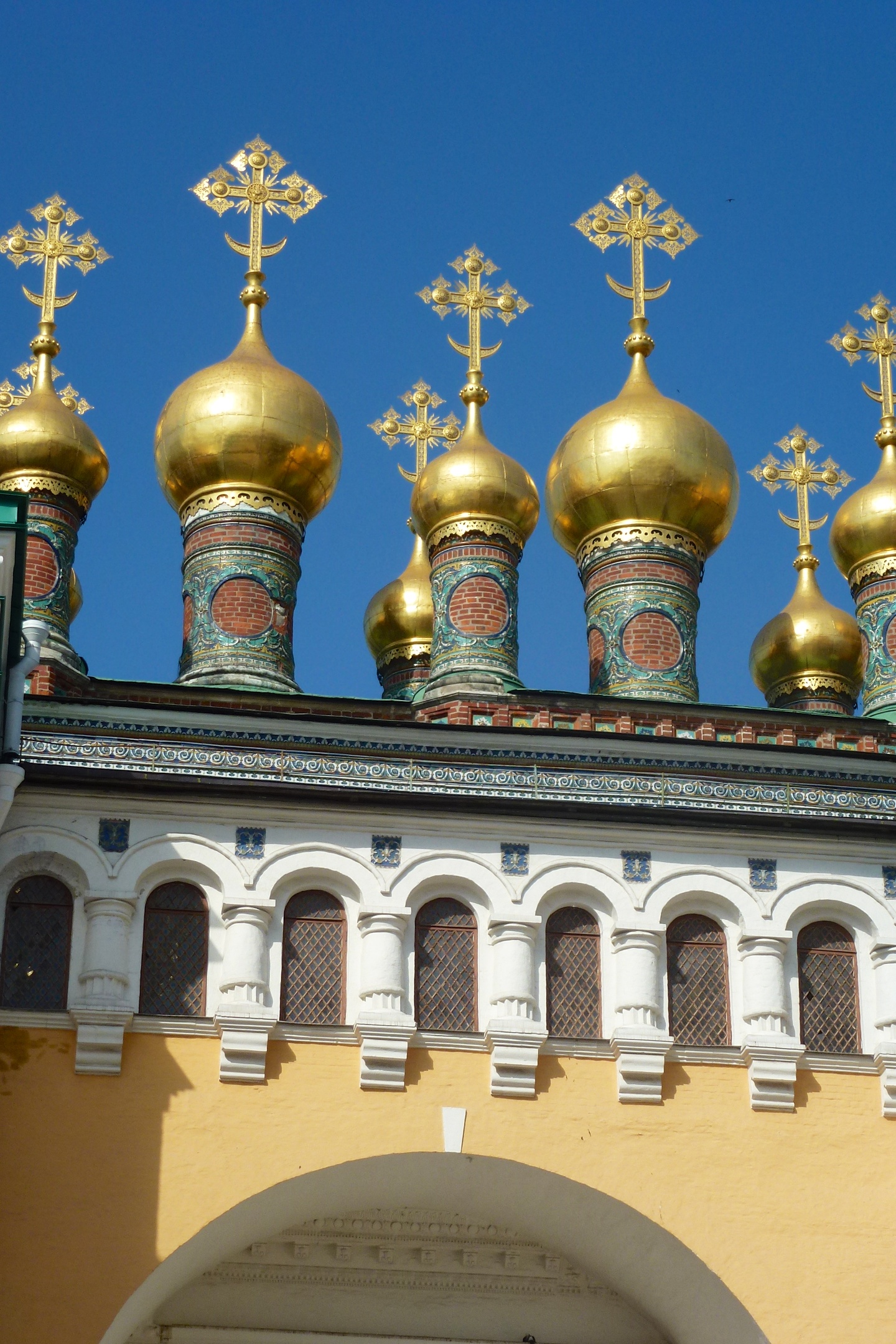
The Cathedral of the Annunciation – the present building dates from 1484 but it was badly damaged during the Revolution. In 1918, the cathedral was closed as a place of worship and now it operates officially as a museum.

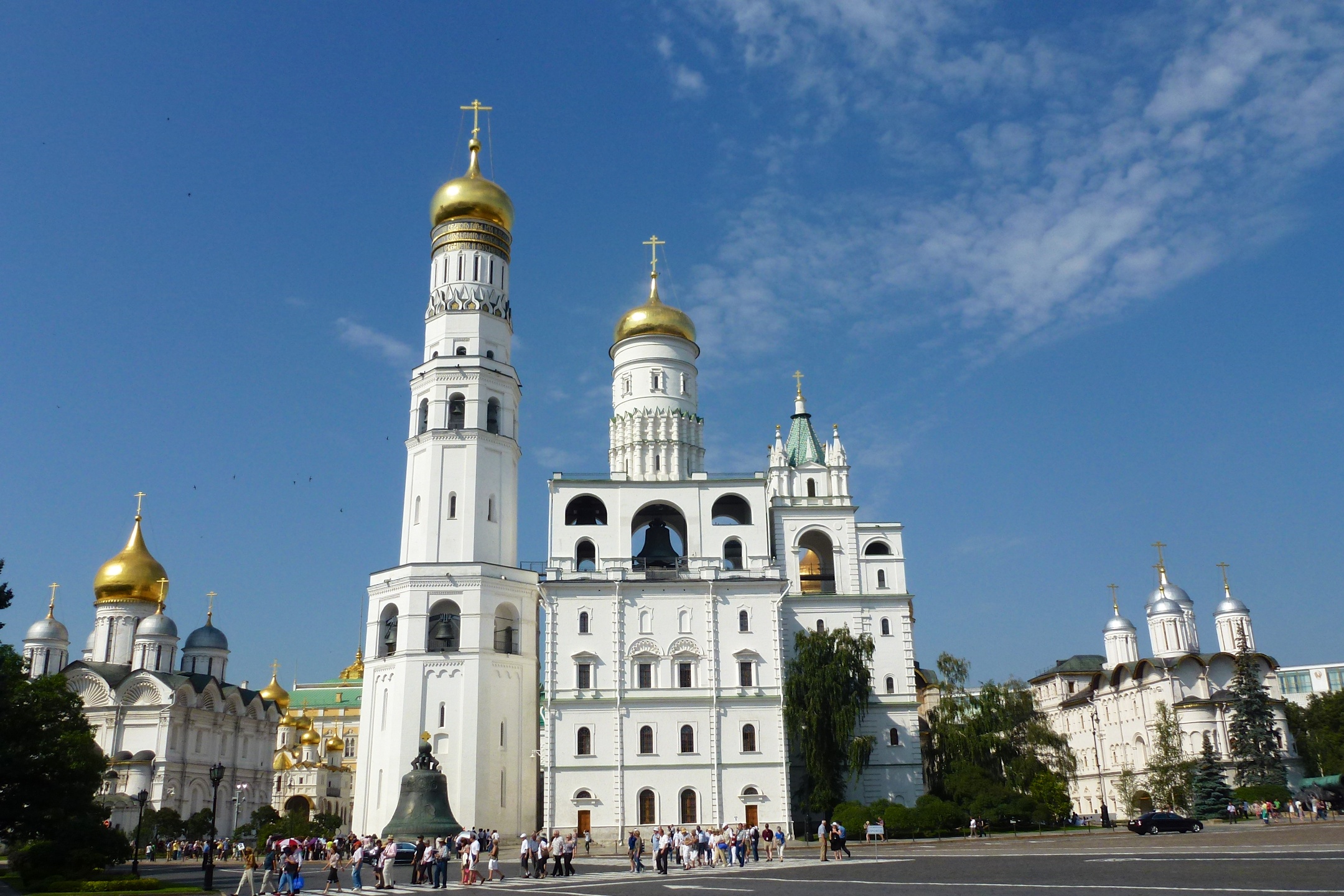
Built in 1600, Ivan the Great Bell Tower was the tallest building in all of Russia for almost 400 years. It was always the first bell to ring on church holidays, a signal that started all the other church bells in Moscow. In 1918 the last Easter service in the Kremlin took place, and the bells of Ivan the Great did not ring again until 1992.

Archangel Cathedral – built between 1505 and 1508 is the most Italian of the Kremlin's churches and the last of Ivan the Great's contributions to Cathedral Square. One of greatest treasures of the cathedral is the burial vault of Ivan the Terrible. And I always thought these "characters"…Ivan the Terrible and Ivan the Great were made up.

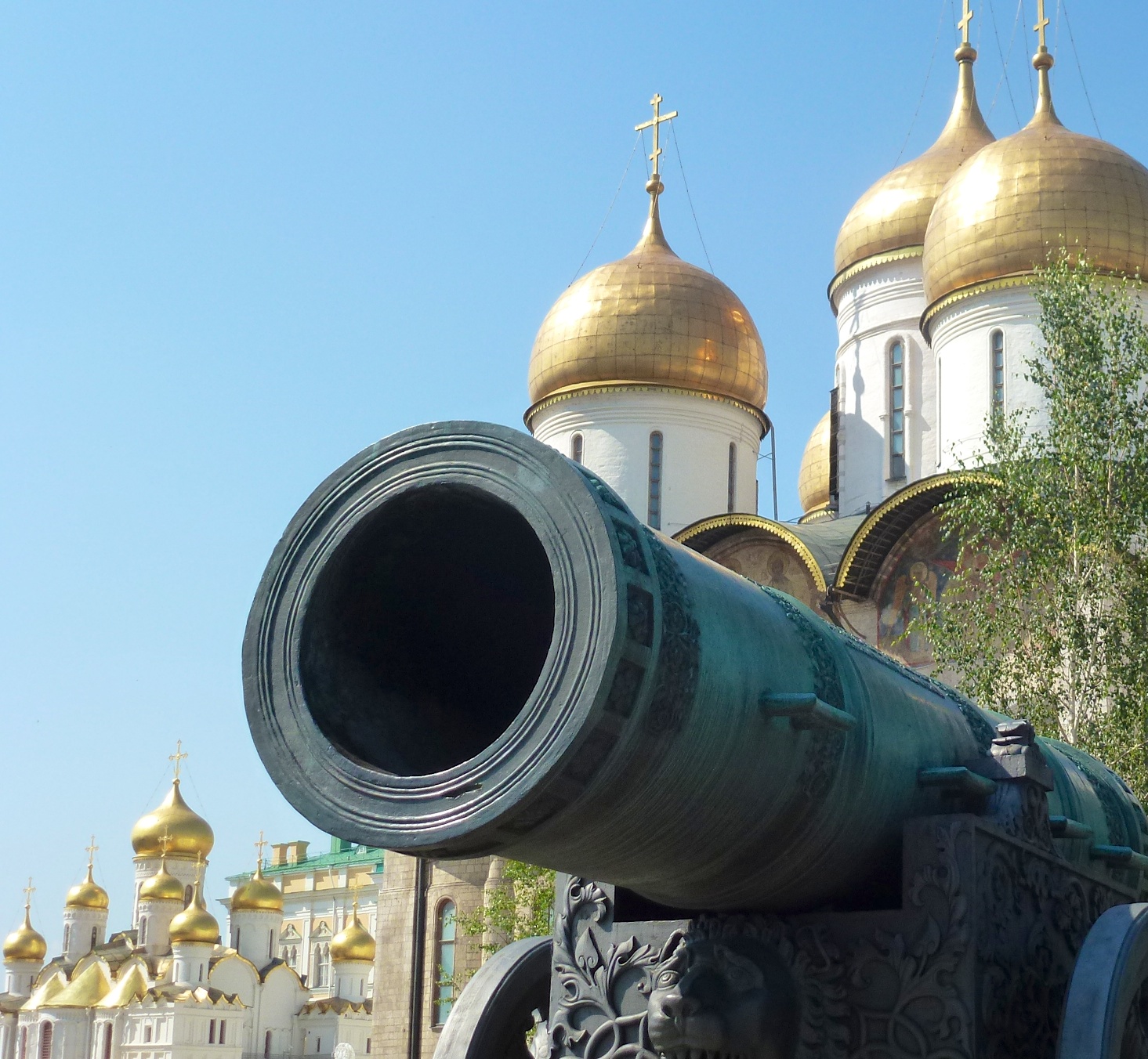
The Tsar Cannon was cast in 1586. It was never used in war, but historians say it was fired at least once.
Bolshoi Theater
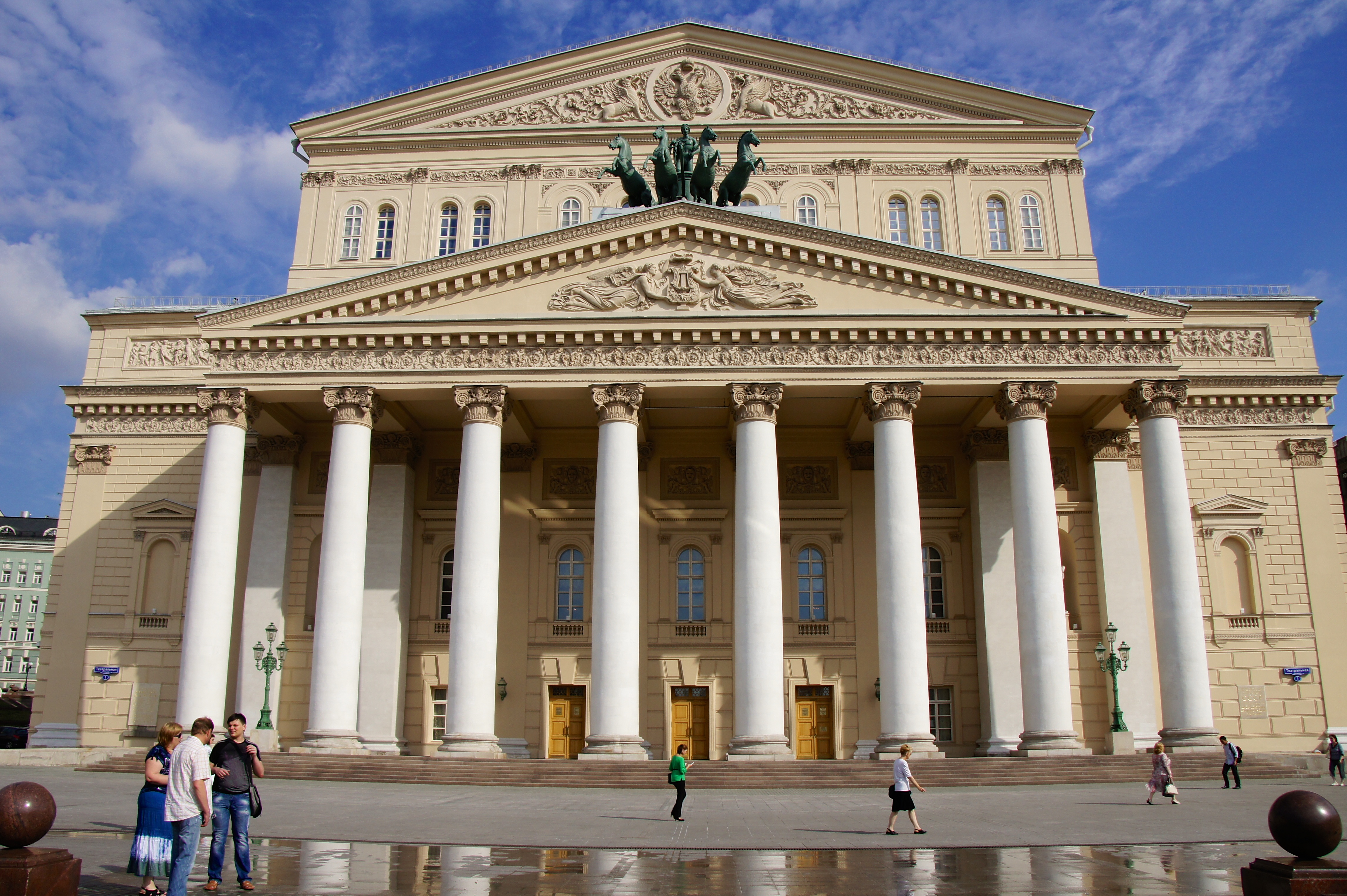
The Bolshoi is the leading ballet company of Russia, noted for elaborate productions of 19th-century classical ballets. This building was built in 1824. From July 2005 to October 2011 the theater was closed for restoration. They say 700 million dollars was spent on the restoration. Unfortunately it is closed in July so we did not get to go inside.
Novodevichy (New Maiden) Convent and Cemetery
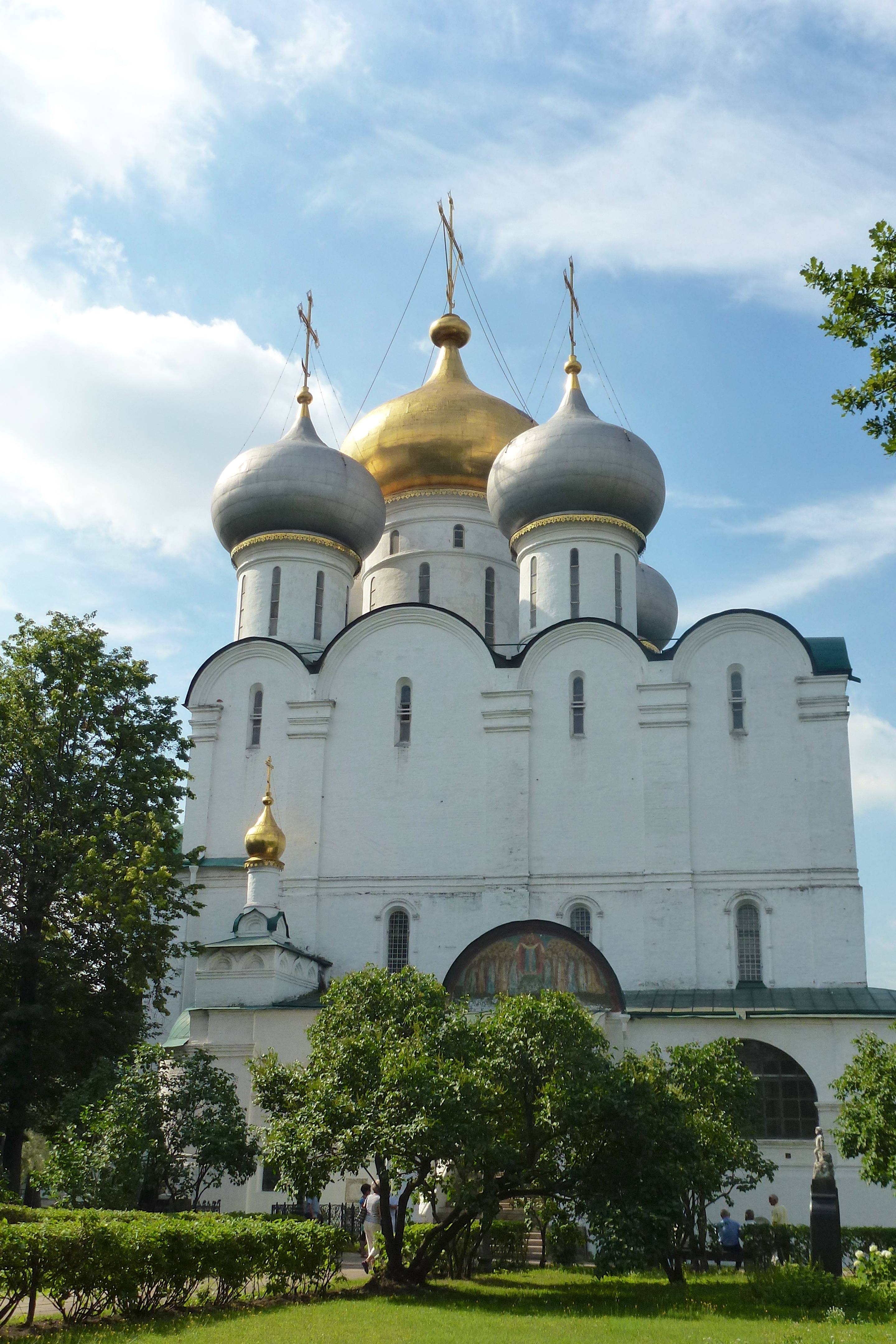
The Novodevichy Convent, also known as Bogoroditse-Smolensky Monastery was built in 1524 as a fortress. Through history, it served as a shelter for many ladies from the Russian royal families who had been forced to become nuns.

In 1812, Napoleon's army made an attempt to blow up the convent, but the nuns managed to save the cloister from destruction.
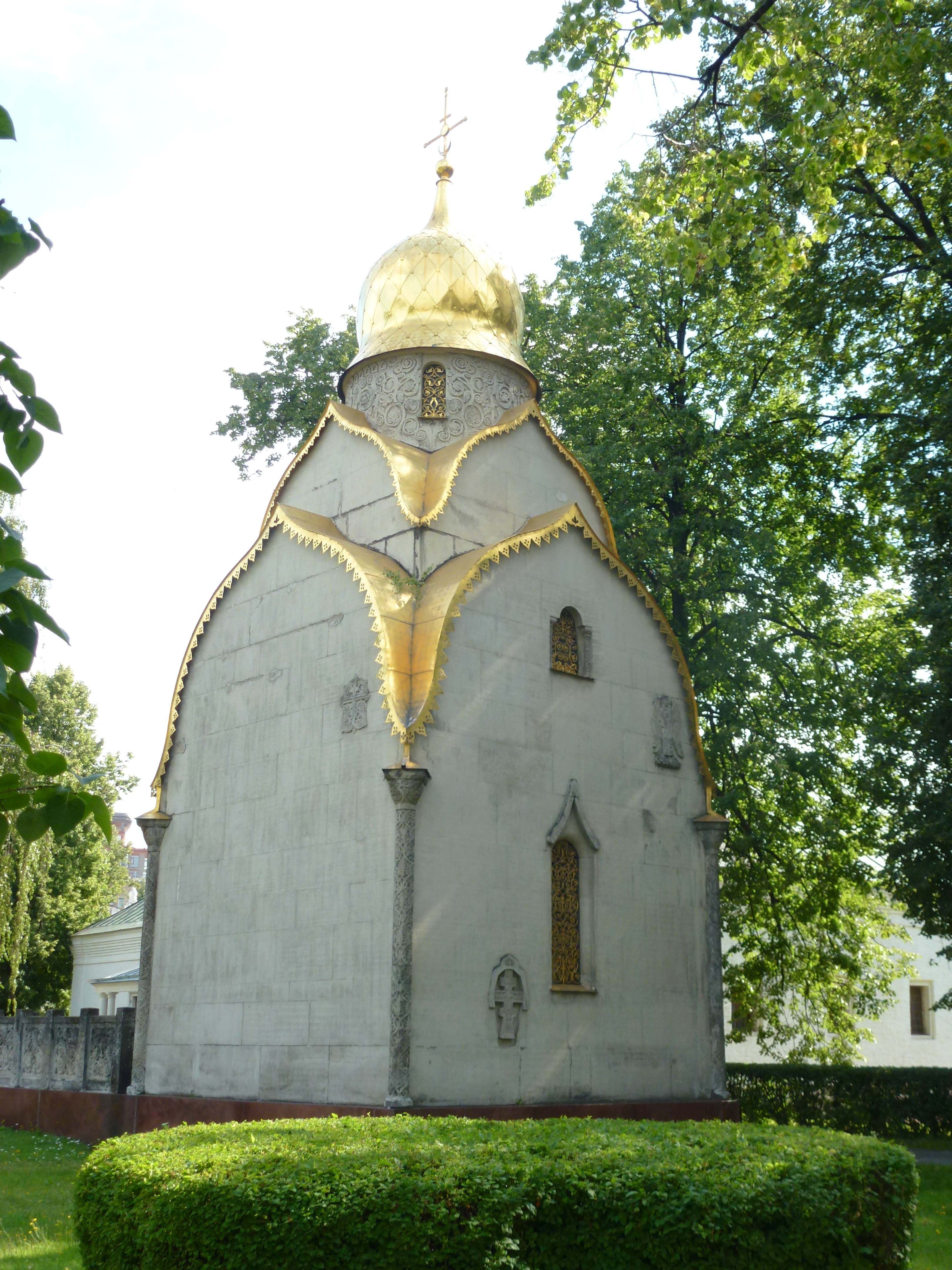
The oldest structure in the convent is the six-pillared five-domed cathedral, dedicated to the icon Our Lady of Smolensk. Records show it was built in 1524–1525; however, its unique proportions and projecting central gable are typical of monastery cathedrals built by Ivan the Terrible.
The Cemetery
Russian nobility considered the monastery to be a special burial place so the cemetery holds the tombs of Russian authors, musicians, playwrights, and poets, as well as famous actors, political leaders, and scientists.

It is so interesting to see how cemeteries vary from country to country. Russia had elaborate headstones with unique fonts.

And beautiful elaborate sculptures.

Just a man and his dog….


Gum Dept Store
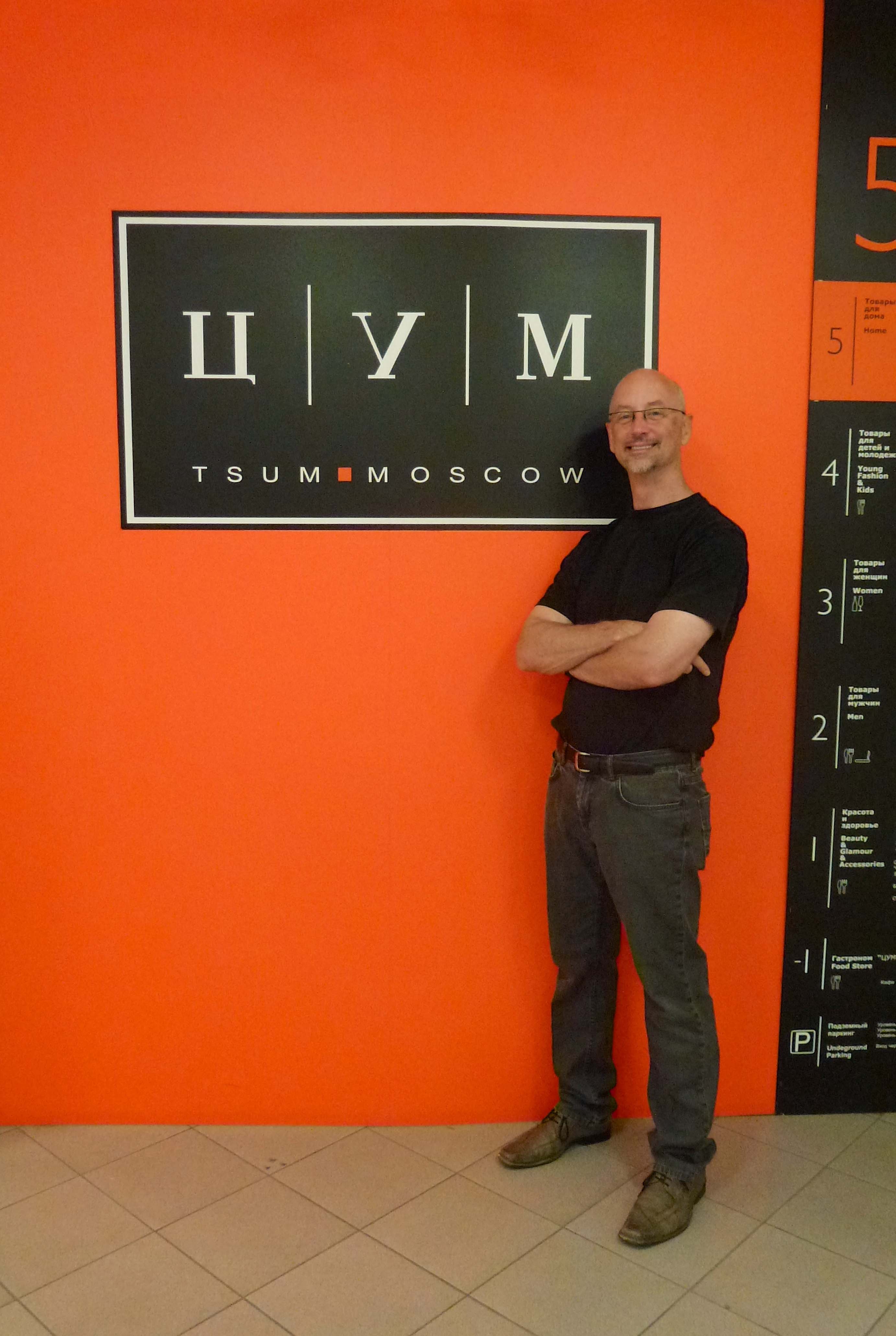
GUM short for "Glavnyi Universalnyi Magazin" or its old name, State Department Store, was built in 1893. For some reason, Donald remembers this from his childhood and he wanted to visit it. He said he remembered that it was "the department store" during the days of the Soviet Union. It was famous because there weren't any other options in the USSR at that time. So it is one of the few remaining icons of the soviet days. Of course, the products available now are very different.
And I leave you with a few random shots of the city….so you can see just how pretty Moscow really is!


D enjoying the local drink – Kvass, a fermented beverage made from black or regular rye bread. Icky.

Check back next week to read about part two of our Russia trip –
St Petersburg!


 The XtraSuitcase

Leave a comment