We finally had a family member visit us in Singapore – D's sister Tammy. It was the perfect time for her to come, as D and I were both flying home together from the US the last part of April. It would make the 23-hour flight much easier and more fun if she flew one way with us. She stayed with us for three weeks.
When we asked her what she wanted to do … her top two choices were: 1) visit Bali; and, 2) ride an elephant. So her Asian adventure started here, in beautiful Bali.
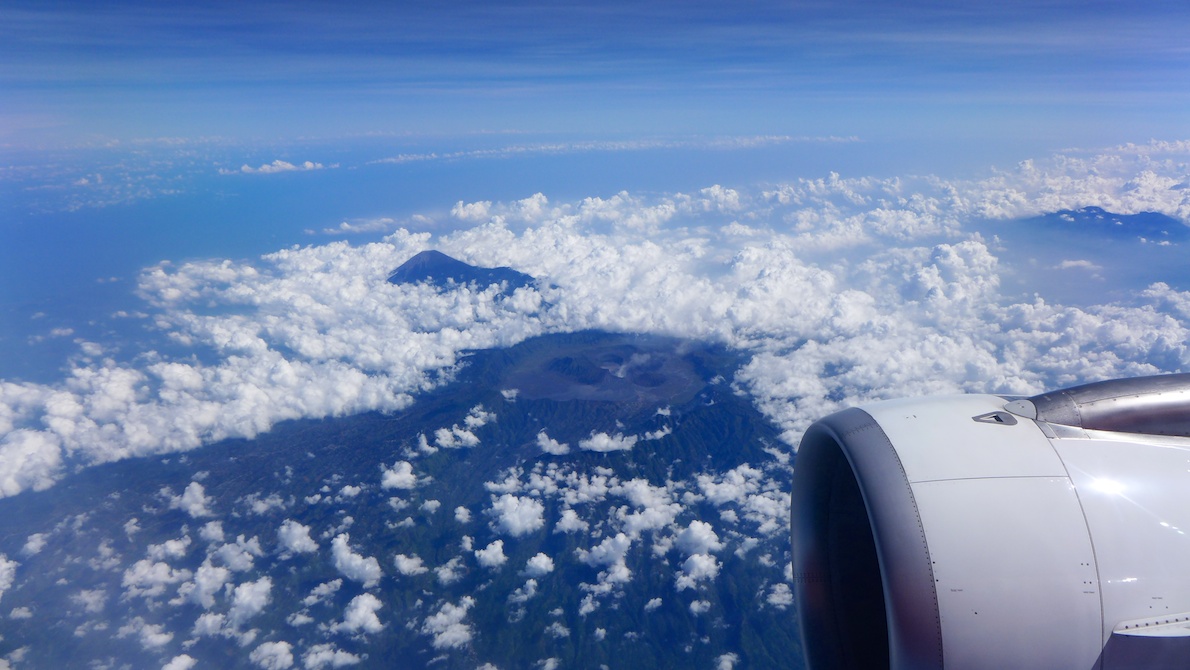
Notice the volcano we are flying over in the photo above, on our way to Bali.
The Villa
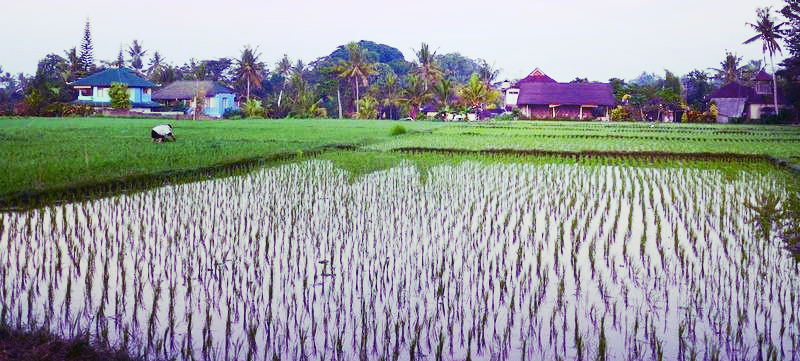
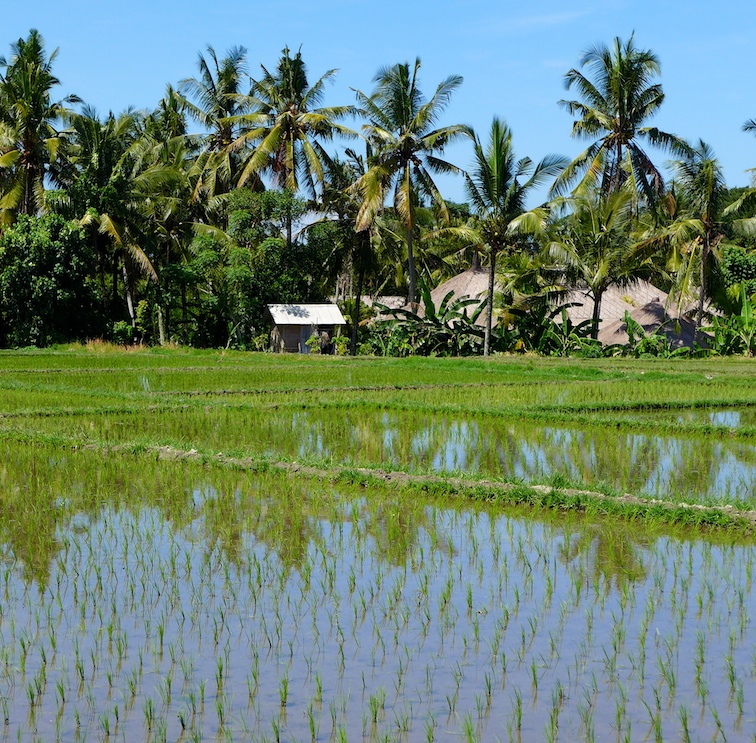
We stayed in Ubud in a brand new private villa (Villa Kami). It was a fun walk to get to the villa as it was in the middle of rice paddies. They carried our suitcases on motor scooters, as it would have been impossible to pull them along the trail.
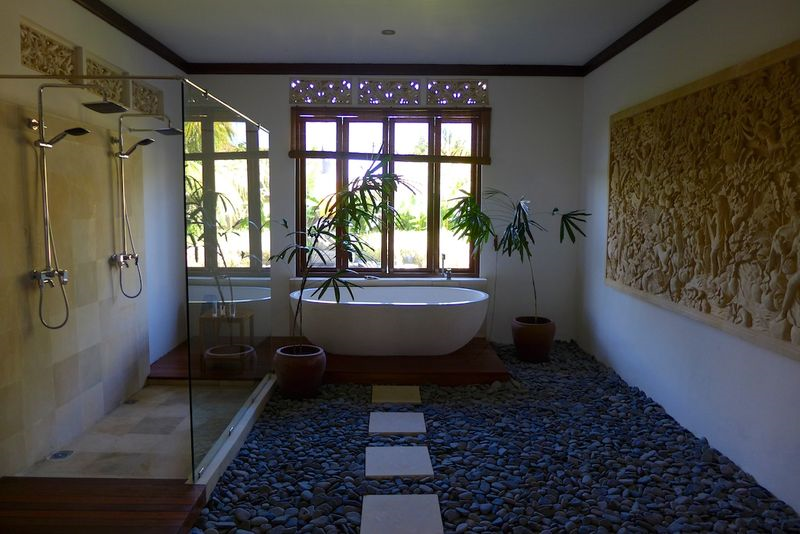
What I liked about this villa is that it had two master suites with stunning bathrooms. Many times when you rent a villa, one of the rooms is a kid's room – which isn't fun when you are traveling with all adults.
The bathrooms were amazing – large and luxurious. Check out that double shower. The bathtub does not look that big in the photo but it was one of the longest tubs I have been in. It took over 30 minutes to fill it for a normal bath!
The Elephant Ride
There is an elephant camp just outside of Ubud. We opted for the early morning package where you got to bathe the elephants and ride them bareback.
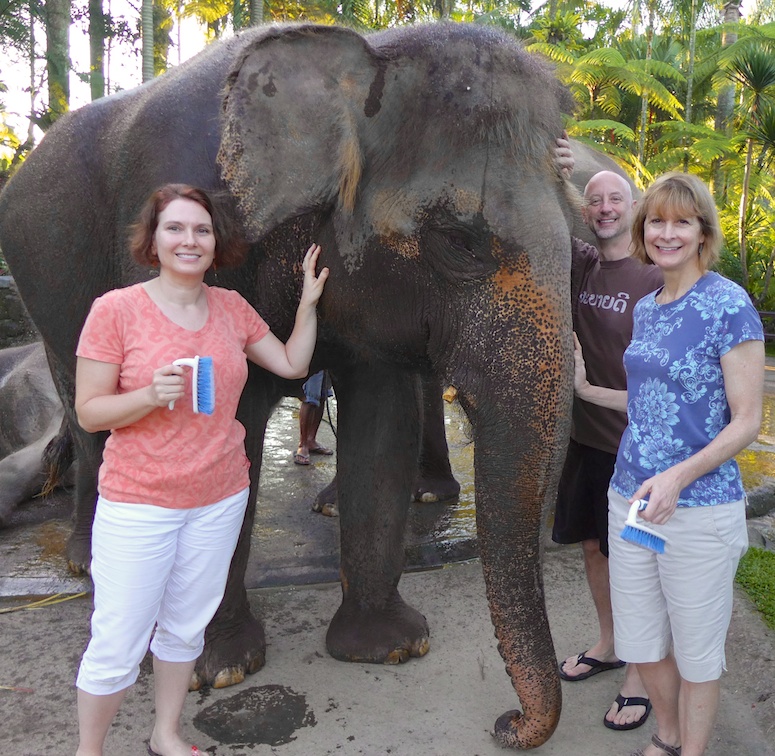
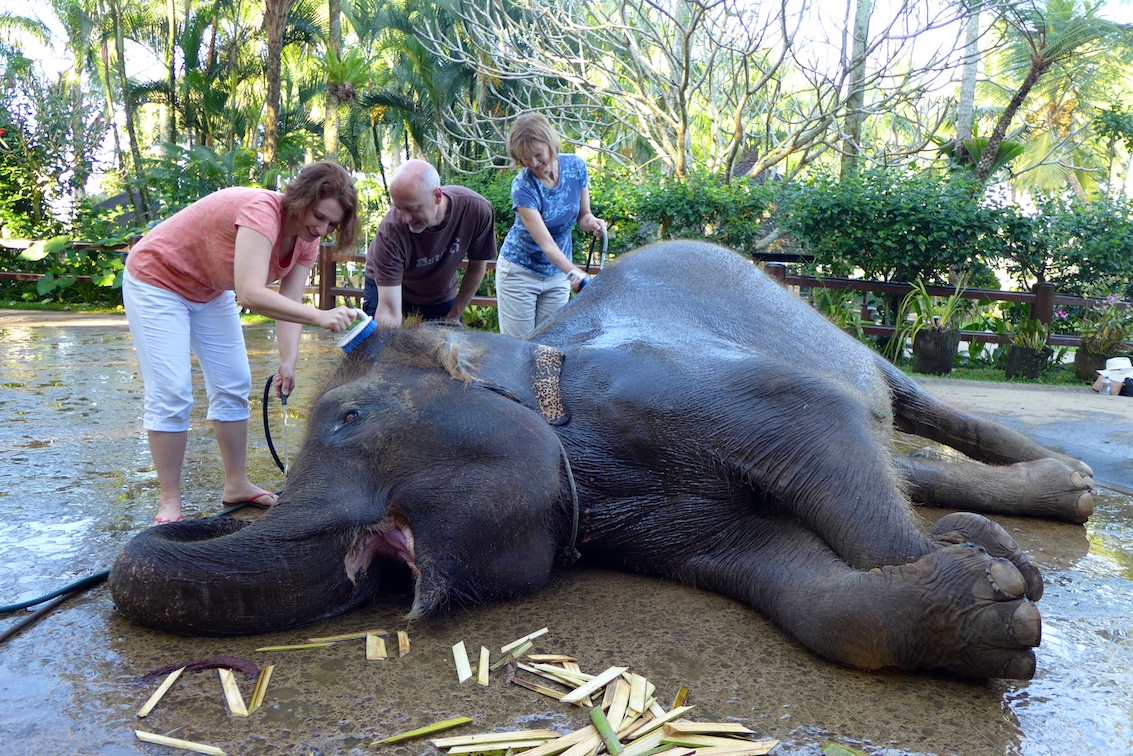
We started on dry land, scrubbing the elephants with brushes. And to say that the elephants enjoyed it was an understatement!
The elephant loved to have her trunk filled with water, which she then put in her mouth. If we stopped, she would tap on our foot with her trunk for more water. Adorable! A full-grown elephant will drink 40 + gallons of water a day.
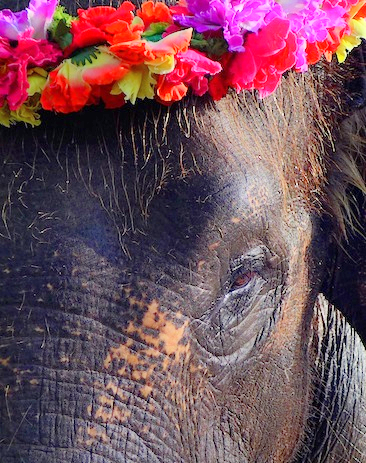
Look at that face, happy and content.
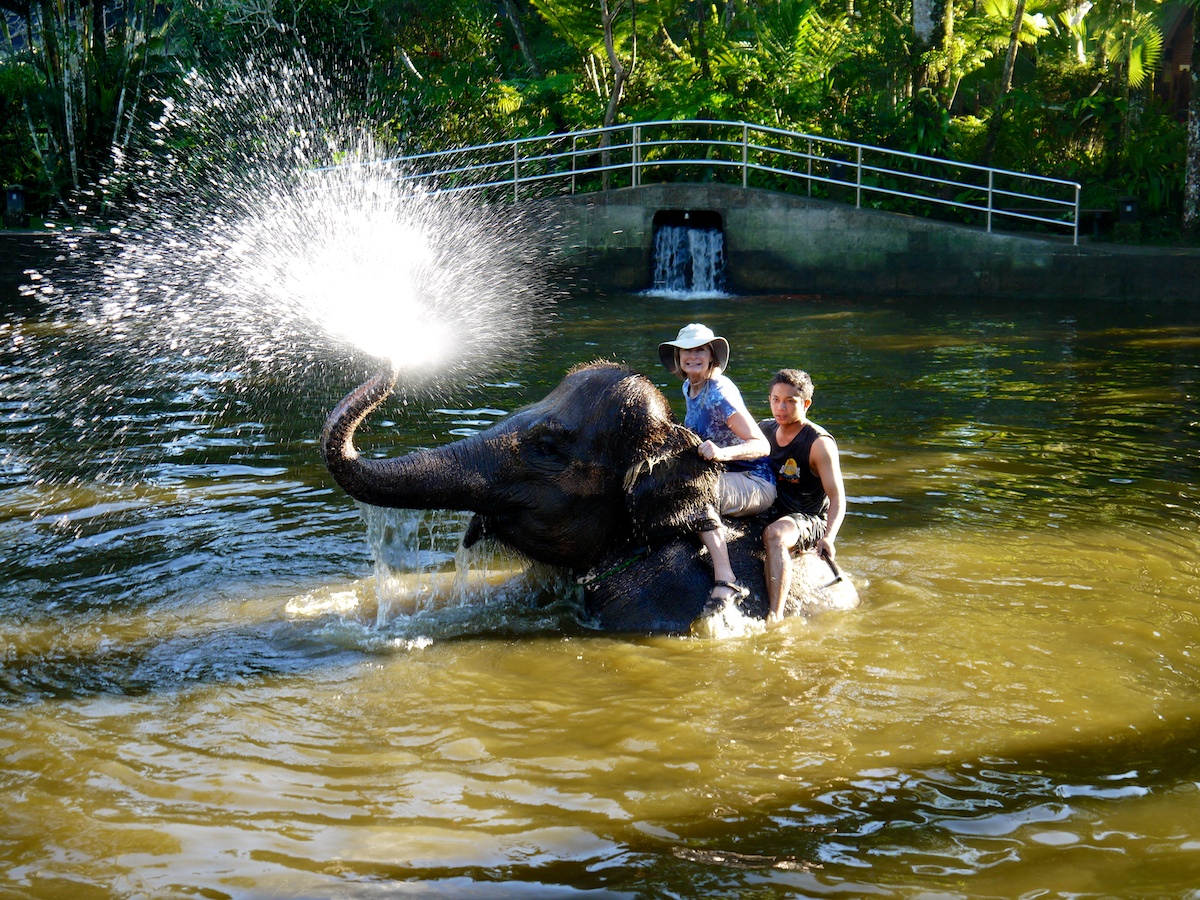
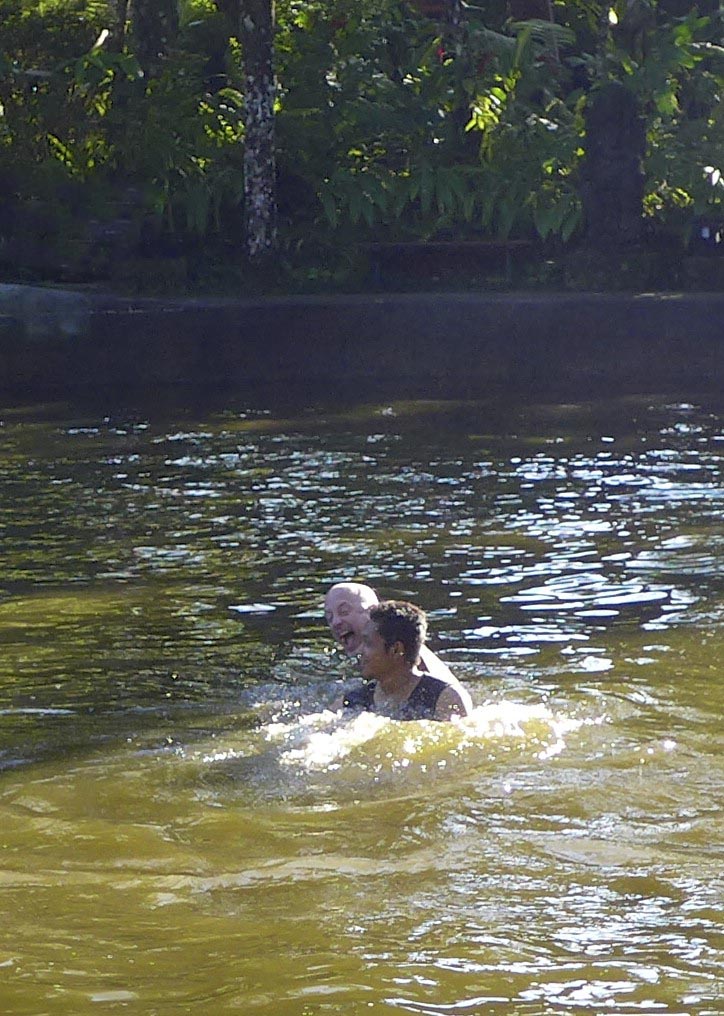
Next, we went into the water for part two of her bath. Asian elephants are smaller than African elephants, but as far as I am concerned – they are still huge! The Mahouts (elephant keepers/riders) said the elephants love their bath time.
My turn – whewwwww hooooo…
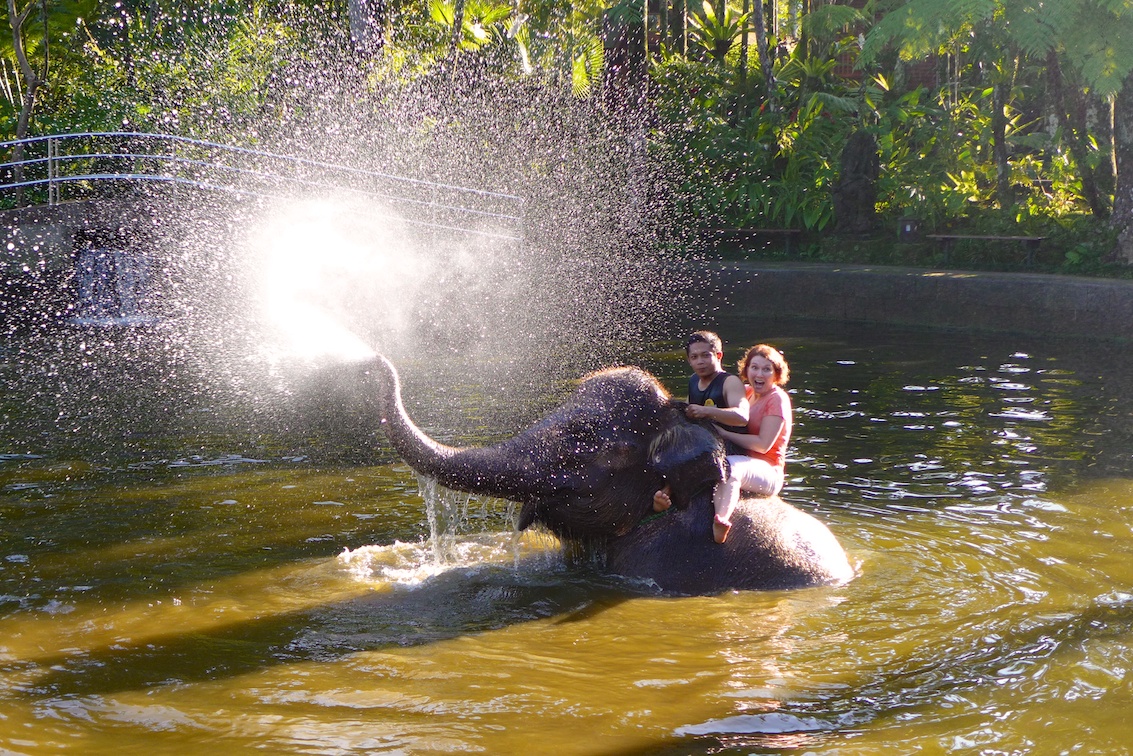
This was D's and my second time riding an elephant and it was equally as fun. The first time was in Laos. How could riding an elephant NOT be fun???
The mahout went much deeper in the water with D. If you have the opportunity to ride an elephant, try to select a program where you get to ride directly on the elephant's back, not just in a chair. It truly is a unique experience.
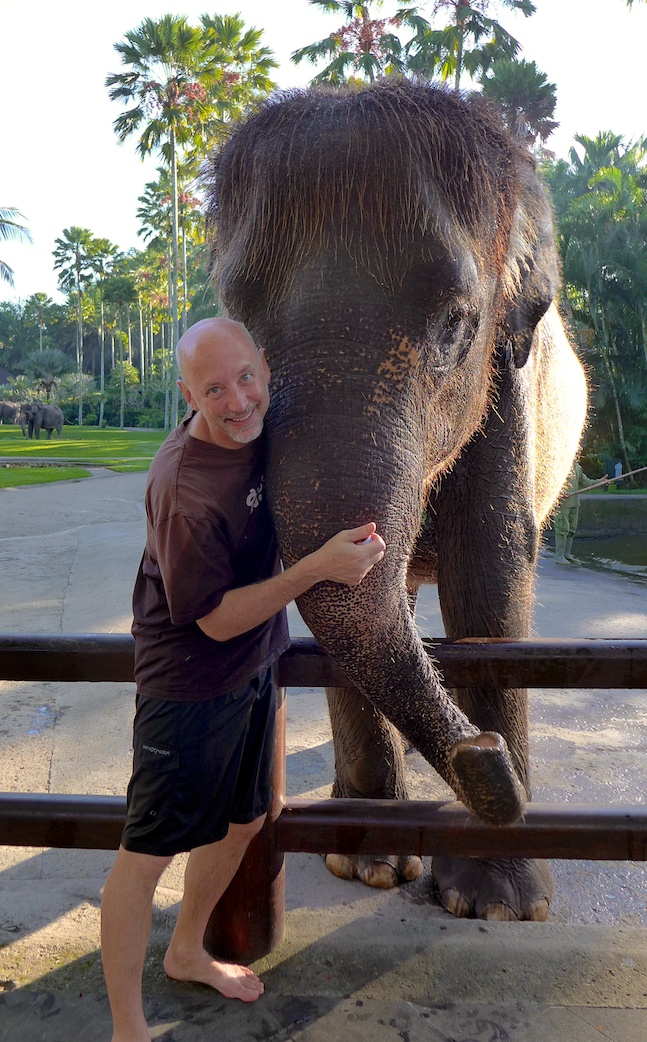
Then we each had some elephant lovin'!
Driver in training! This baby elephant, a male, is only one year old and is in training to carrying people. They start him off with just a blanket on his back and slowly work him up to carrying heavier items. They said it takes five years to fully train them.
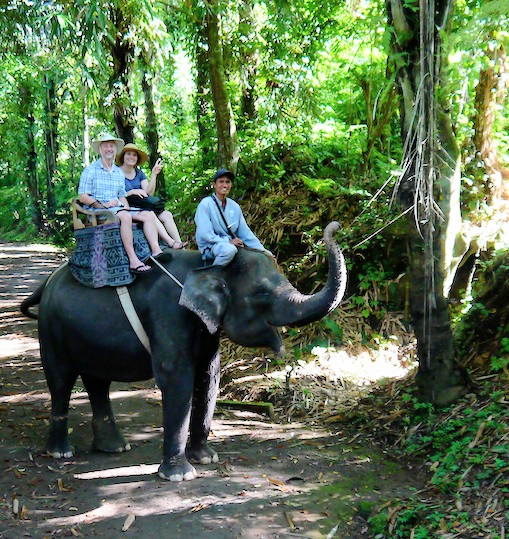
We also had a ride through the jungle, but this time it was in a seat.
An awesome day with the elephants! I know some people do not support elephant camps such as these, but we felt it was extremely well run and the animals were well taken care of. Most of these elephants were rescue elephants from Sumatra and wouldn't be alive if not for this camp.
A Walk in the Rice Fields
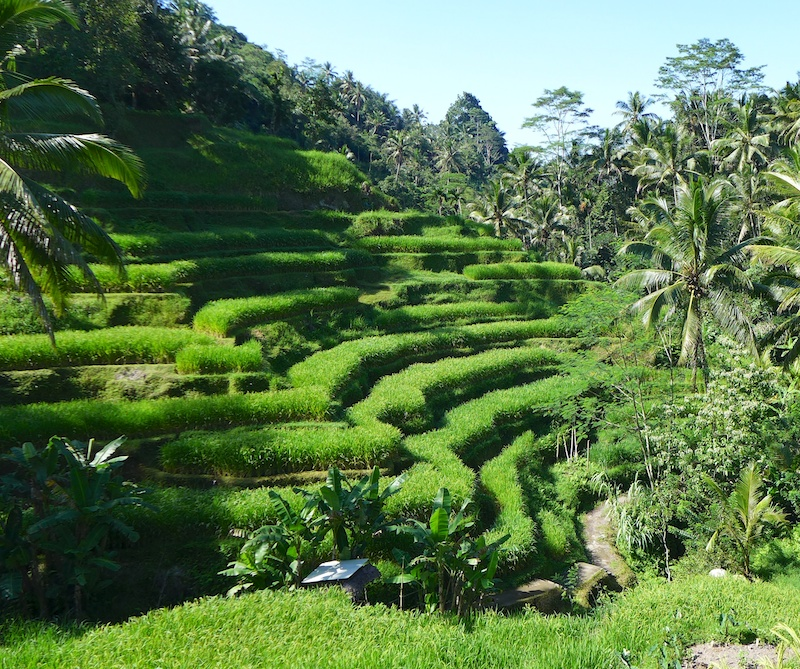
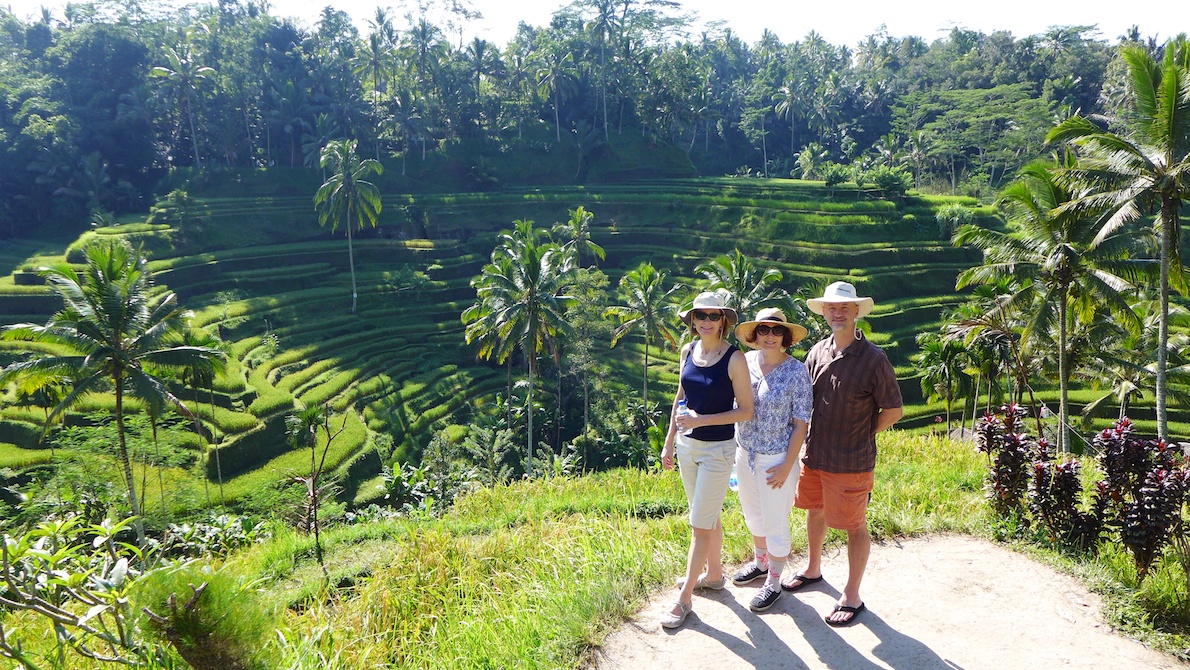
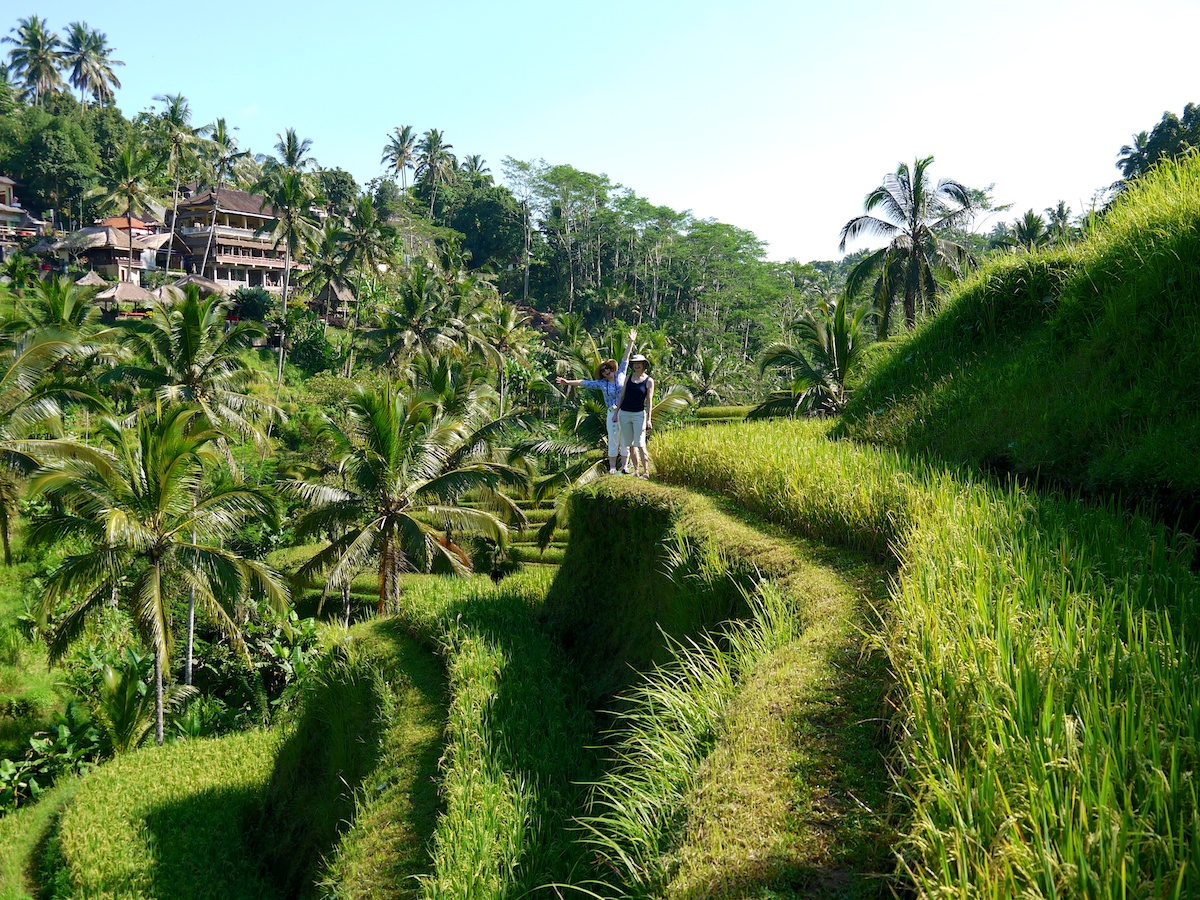
Bali has many working rice fields. Tegalalang in Ubud is one of the most striking ones due to its sloped terraces. You are able to walk along the ridges.
We hired a taxi driver/guide to take us around for the day. His name was Kadek. I mentioned that the owner of our Villa is also name Kadek… this opened the doors to a fascinating lesson on names.
In Bali, they ONLY use four names. They are based on birth order and it does not matter if the child is male or female.
The names are: first born – Wayan, second born – Made, third born – Nyoman and fourth born – Ketut.
What happens when the fifth child is born? They start all over with Wayan
They do have a few alternative names such as Putu for the first born (upper caste families) and the second could be called Kadek and the third could be Komang. They also refer to each other with nickname and for women; a ‘Ni’ is placed before their name. It is like ‘Miss’ or ‘Mrs’. Men use ‘I’, like ‘Mr.’
But still – how confusing is this? D and I would both be called Made.
Kintamni Volcano
Kintamani Volcano is still active today. They say it has erupted 24 times since the year 1804. The dark part you see is lava from a large eruption in 1968. Next to the volcano is Lake Batur, the biggest lake in Bali. Locals fish in the lake and farmers use it as an irrigation source.
A taste of durian
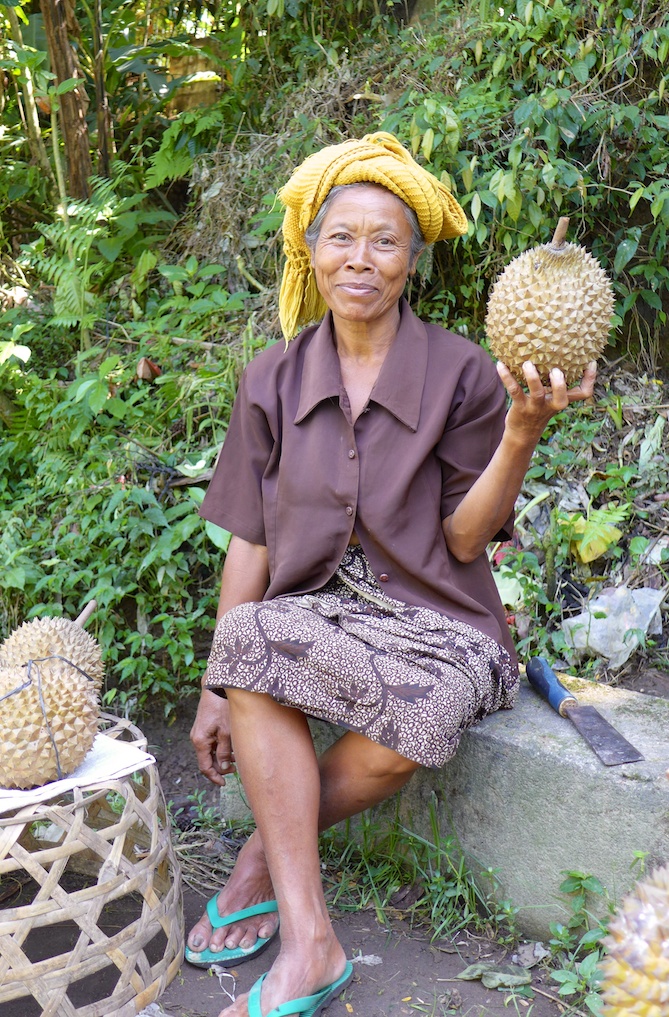
In Asia the durian is known as "the king of fruits" – it is either loved or hated. It is often described as smelling like rotting onions, road kill, or sweaty socks! In Singapore you are not allowed to take it on any public transportation!
We were driving along with our guide when we saw a durian stand. Well, really a woman selling them on the roadside. The driver told us durian was in season so it was the best time to taste it. We have had food flavored with durian, but this was our first taste of a real durian.
The verdict?
All of us liked it! And what a great experience for our first time…. enjoying it with the locals, who came out to watch the westerners taste it. And if you are wondering about that outfit I have on… I had to wear a sarong in the temples.
D below with our guide, Kadek – who LOVES durian and ate half of one himself.
Temples
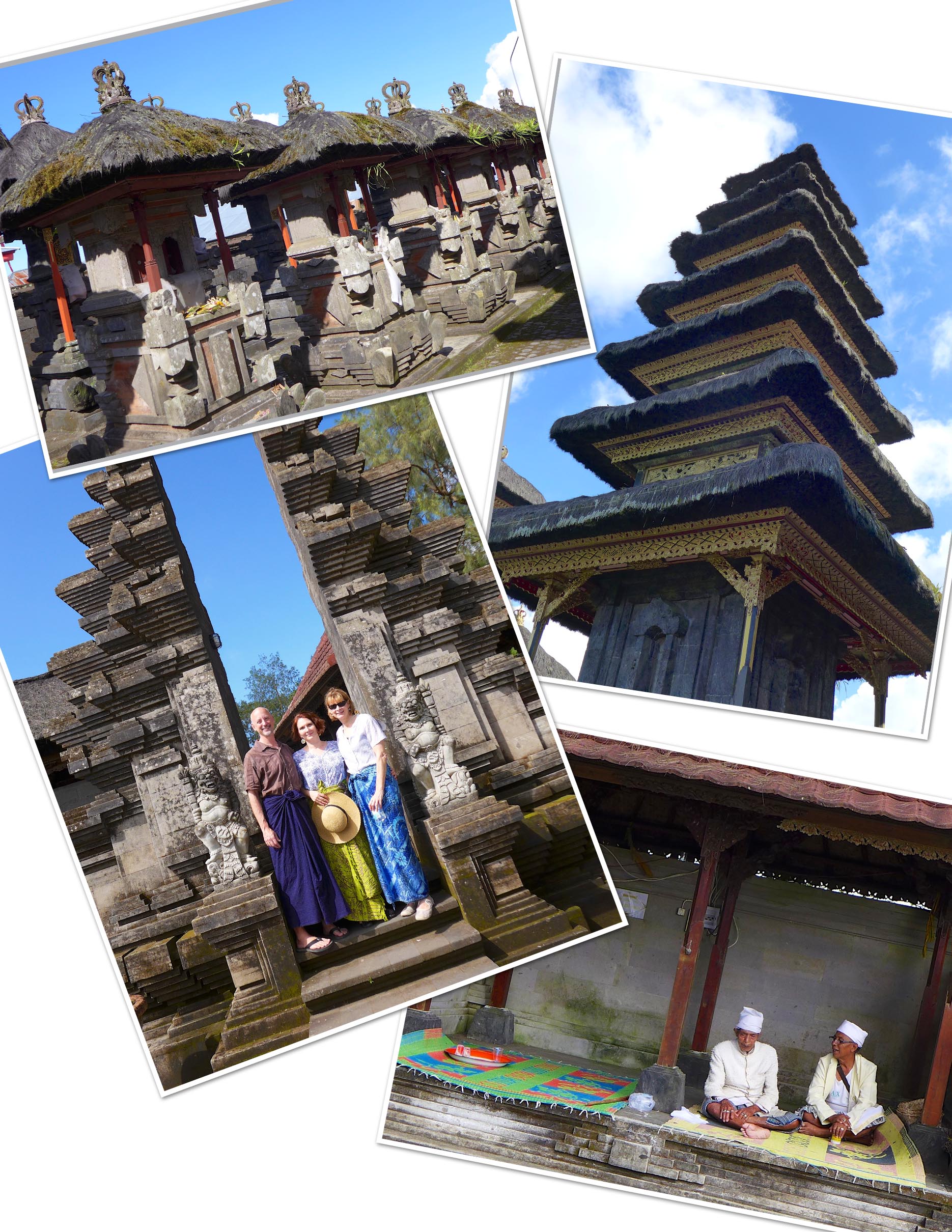
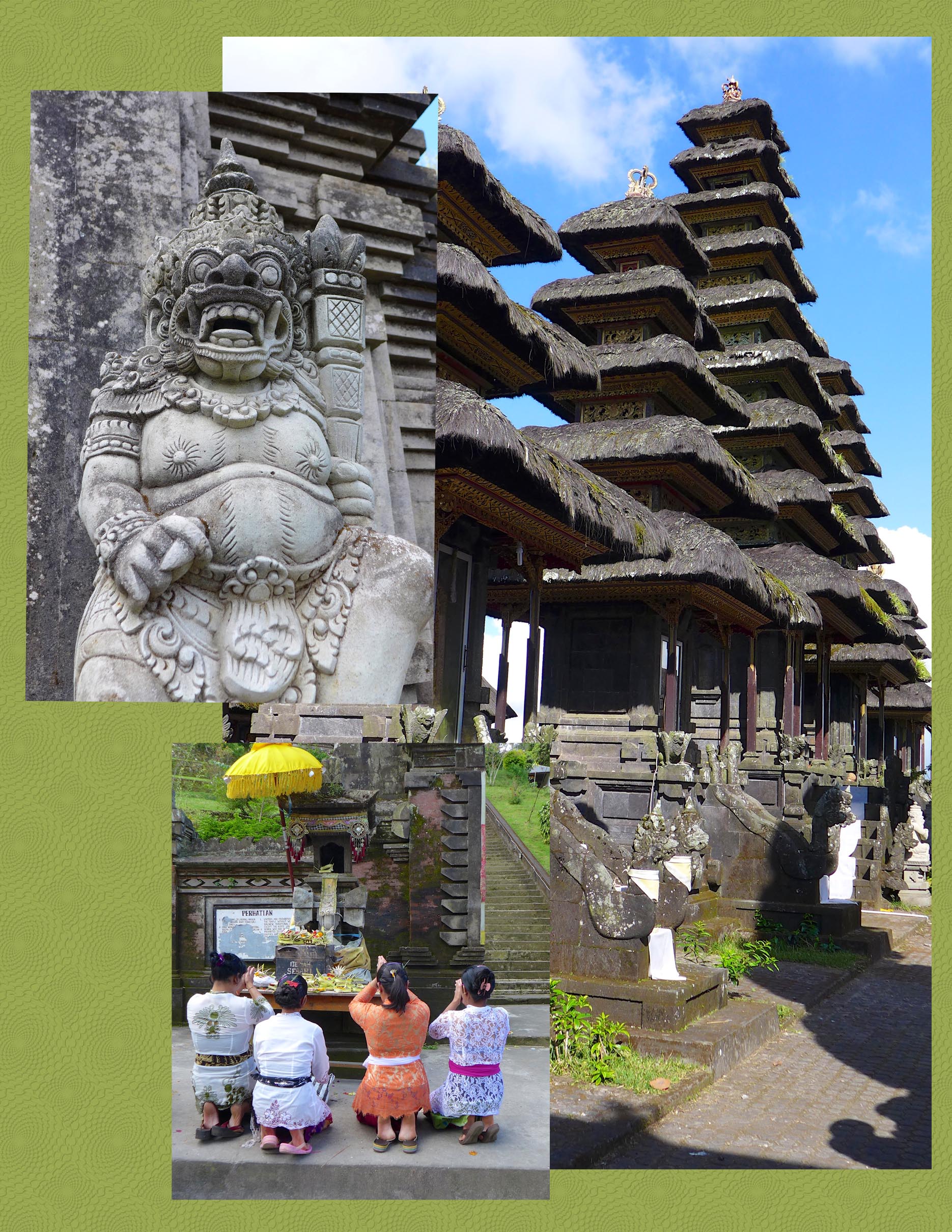
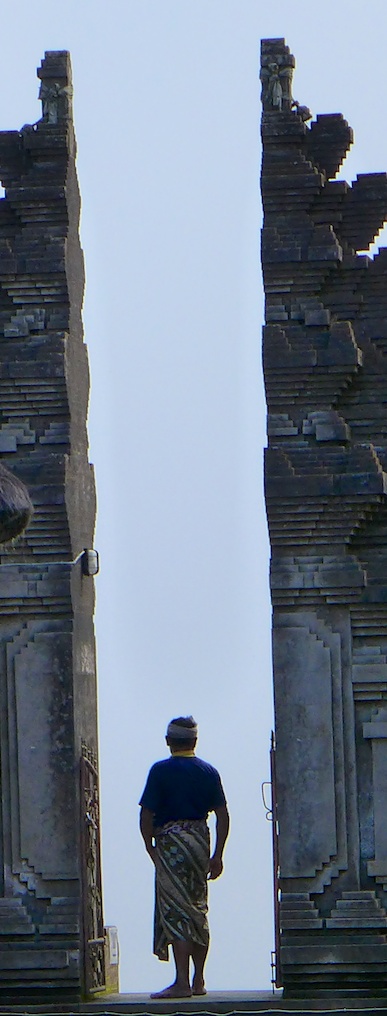
Bali is known as the "island of a thousand temples" and a trip here would not be complete without visiting a few of them.
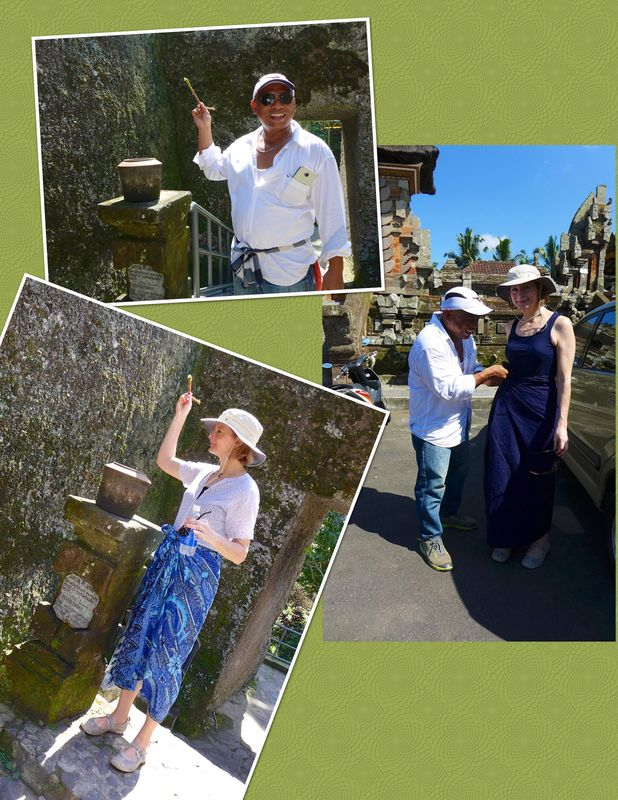
Showing respect by covering up and blessing ourselves before entering the temples.
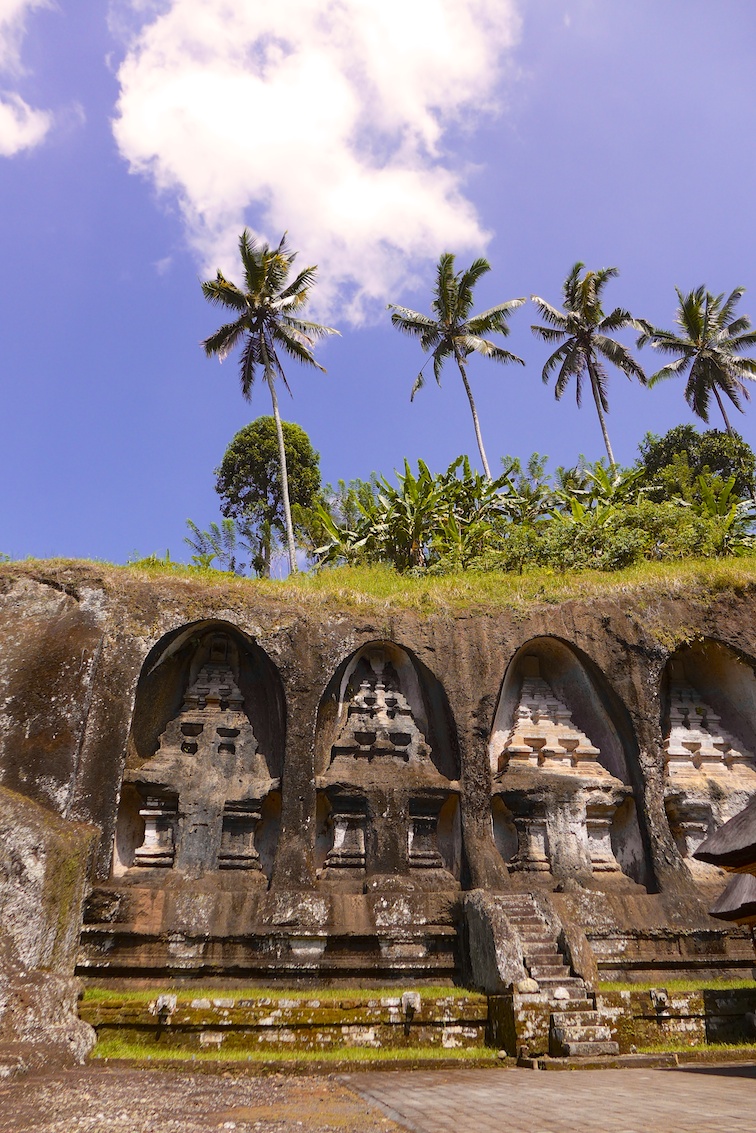
Gunung Kawi is an 11th-century temple with shrines carved into the cliff.
Offerings
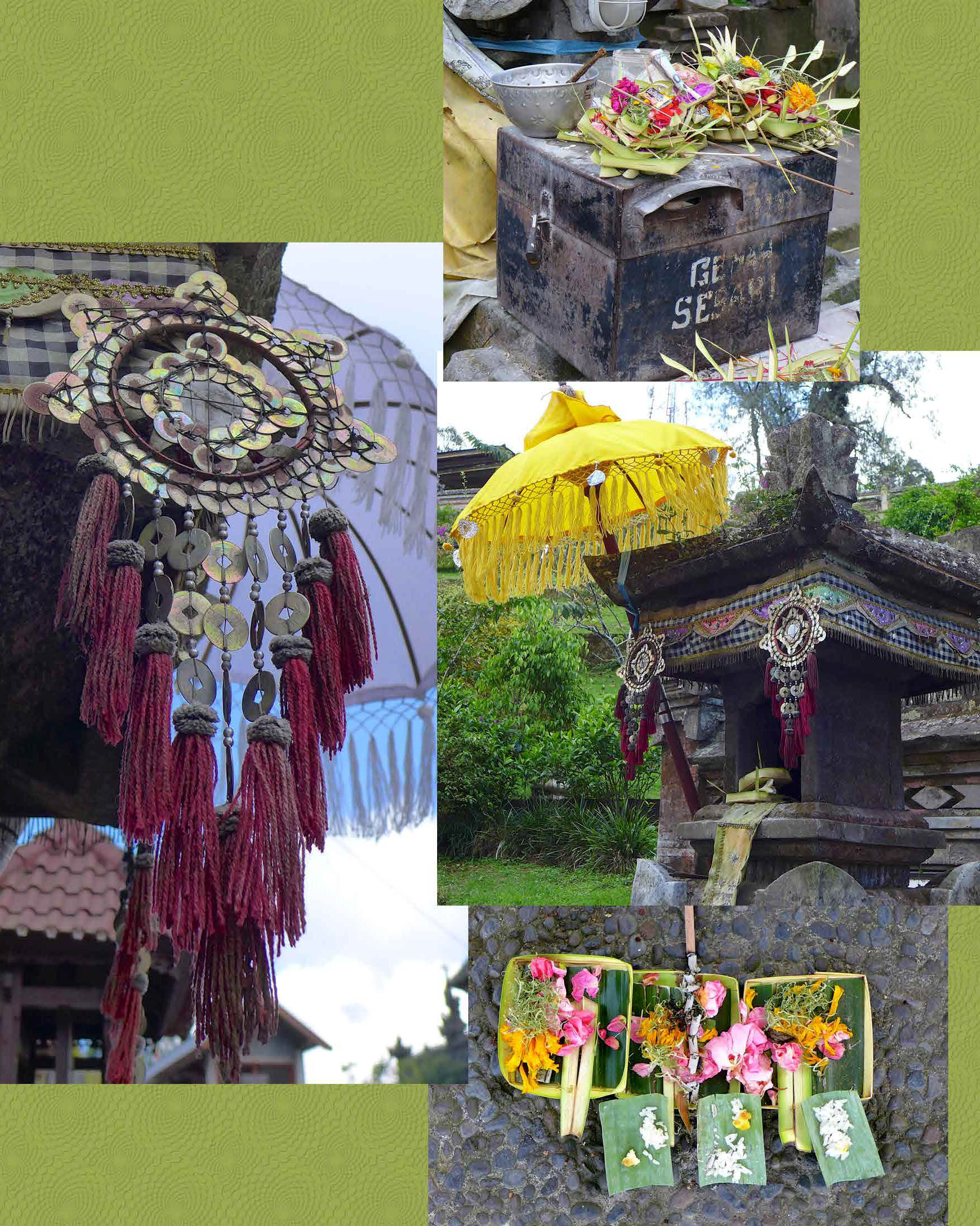
The Balinese make offerings to their Gods three times a day.
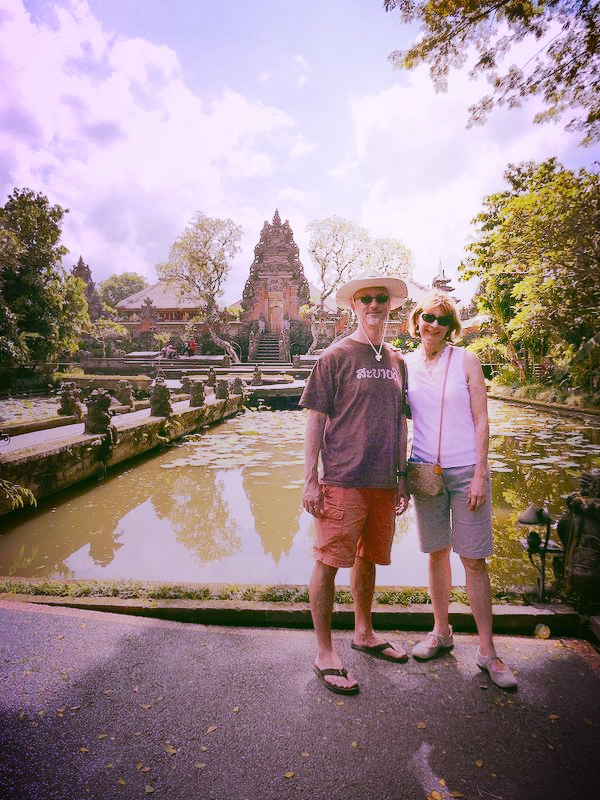
Pura Taman Saraswati temple (below) is dedicated to honor the Hindu Goddess Saraswati, the goddess of learning, literature and art.
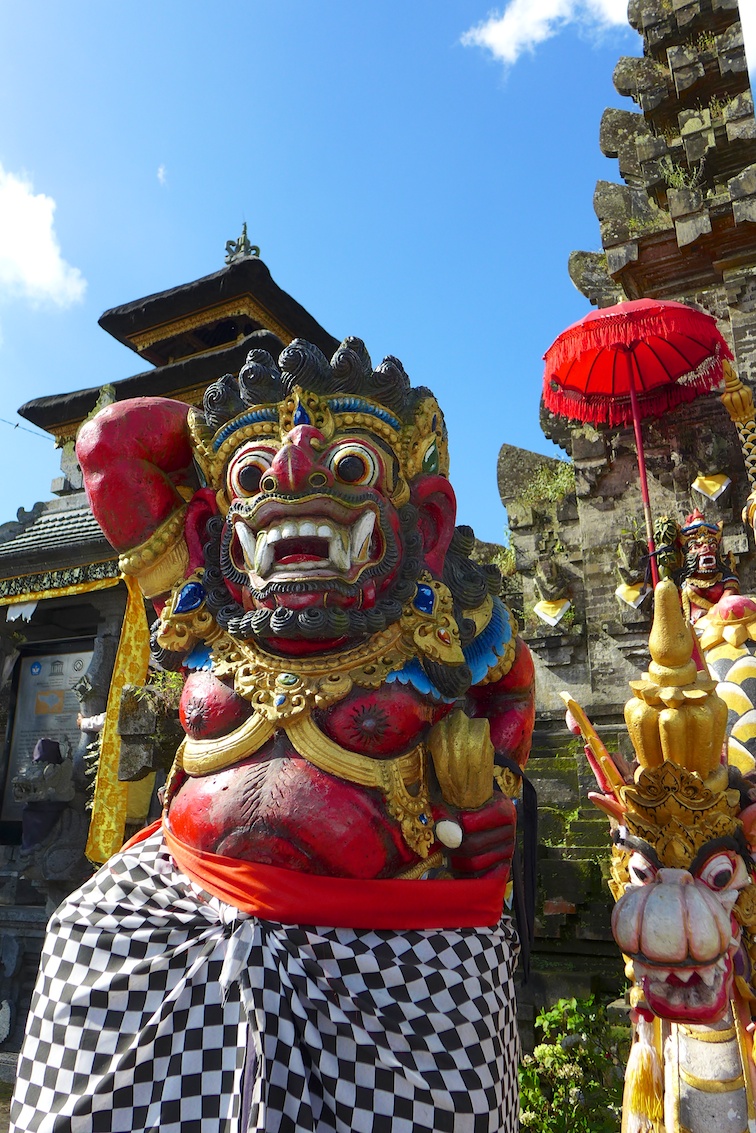
The temples can be extremely colorful with animated sculptures
Sacred Monkey Forest
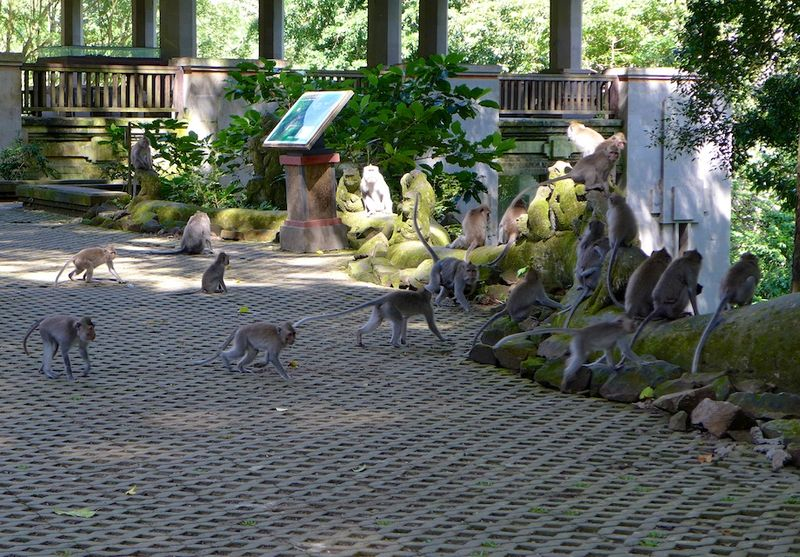
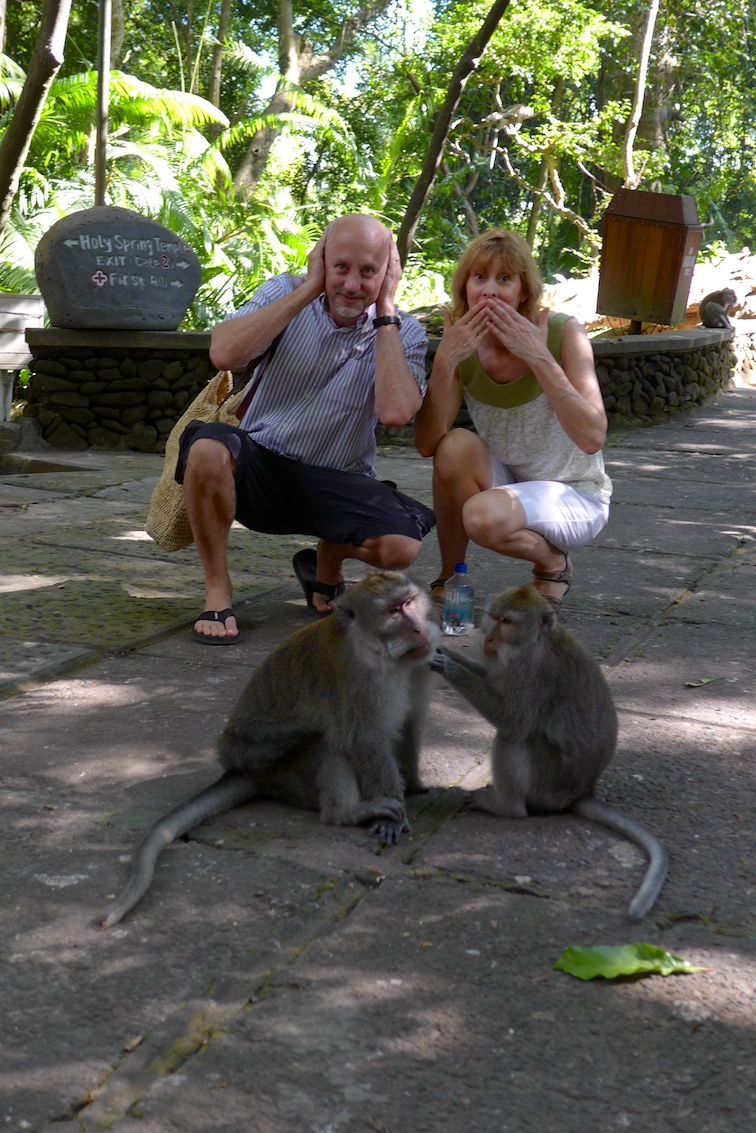
The monkey forest scared me last time we went and I swore I would not go back… but I did. We all enjoyed it – although it still scared me. A monkey jumped on Tammy as it wanted her water bottle. They are little thieves and will take anything in their sight.
They are approximately 605 long-tailed macaques in the park (39 adult males, 38 male sub adult, 194 adult females, 243 juvenile and 91 infants).
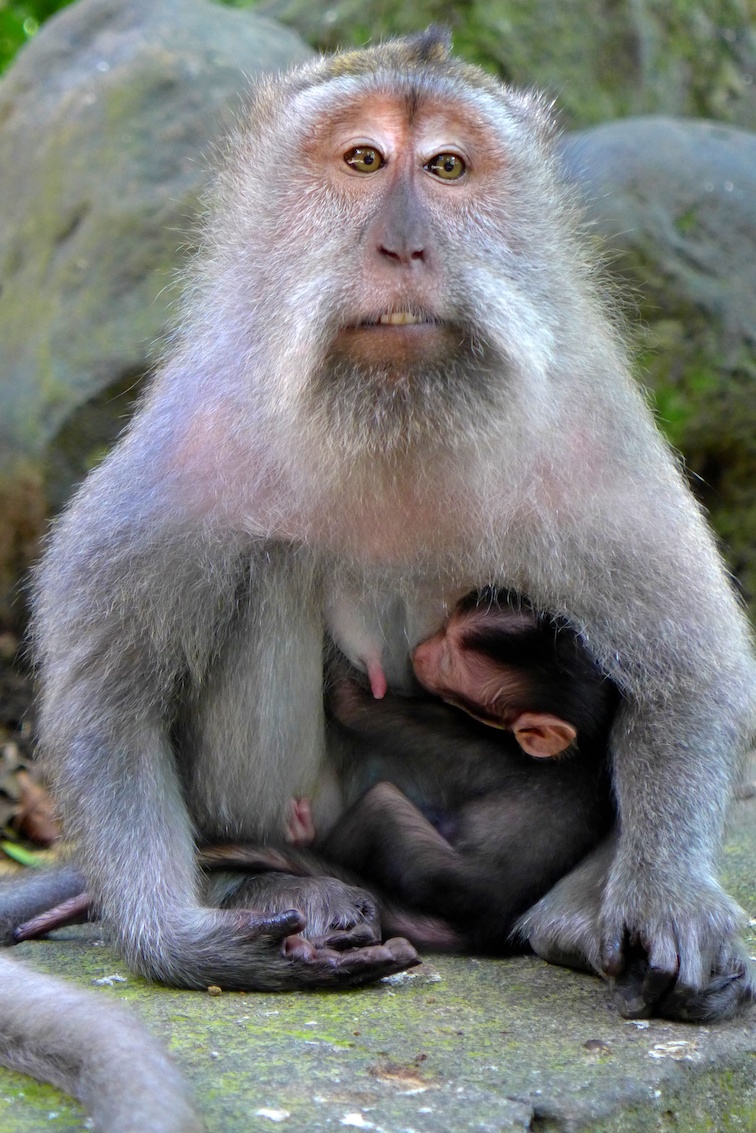
The macaques breed year-round. We saw many females carrying their babies, who are born, covered in black hair. They keep this until they are about 6 months old.
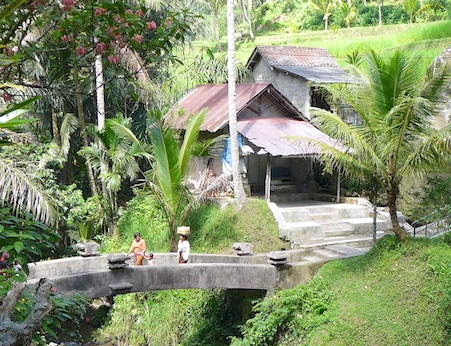
There are beautiful ancient sculptures, bridges, and stairways throughout the monkey forest.
This baby wanted to run but the mother kept him close by holding onto his tail.
Gorgeous scenery
Bali truly is breathtakingly beautiful. We were very lucky as every day we had perfect weather.
Colorful puppets
Food
We were eager to have Tammy taste the local food. We did more upscale dining with her : )
On of our favorites became her favorite – fresh watermelon juice!
The locals
A local school bus. Safety first!
We spent the last night in a resort at the beach in Nusa Dua. A perfect ending to a perfect visit to Bali!
Thaipusam is a Hindu festival to celebrate and to give thanks to the Hindu God, Lord Subramaniam (also known as Lord Murugan) son of Lord Siva. It is a celebration of faith and atonement, of family and friends, and of devotion.
This is my third year going to the Thaipusam festival in Singapore. Last year, D, Helena, and I were invited to walk with a family where it was the young man's first time participating in the walk as a devotee (click here to see photos). It was an amazing experience, but unfortunately we did not exchange information so we lost contact with the family.
In the beginning of this year, I received an email from Vans' (the young man we walked with last year) sister (Kas)… he had been looking at photos on the Internet and found some of himself. When he clicked on the photo, it took him to our blog! The family not only asked us to walk with them again, but they also invited us to their home two nights before the walk for a special vegetarian meal. During the evening, they honored lord Murugan with fruit, and blessed Vans' headpiece and spears. Their mother cooked all the food and it was delicious.
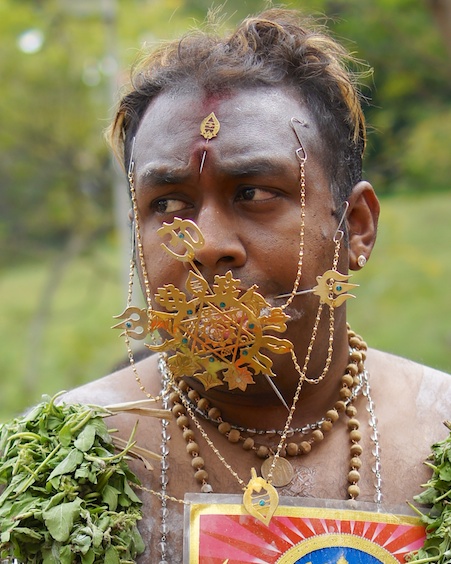
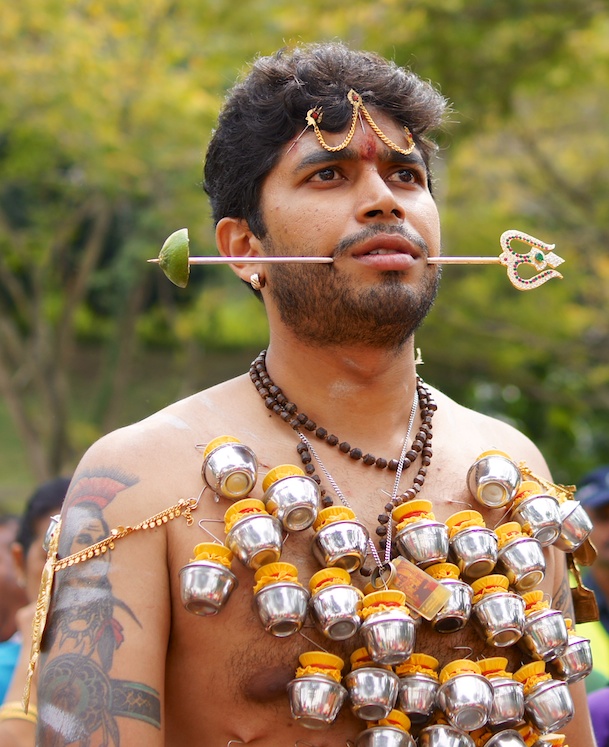
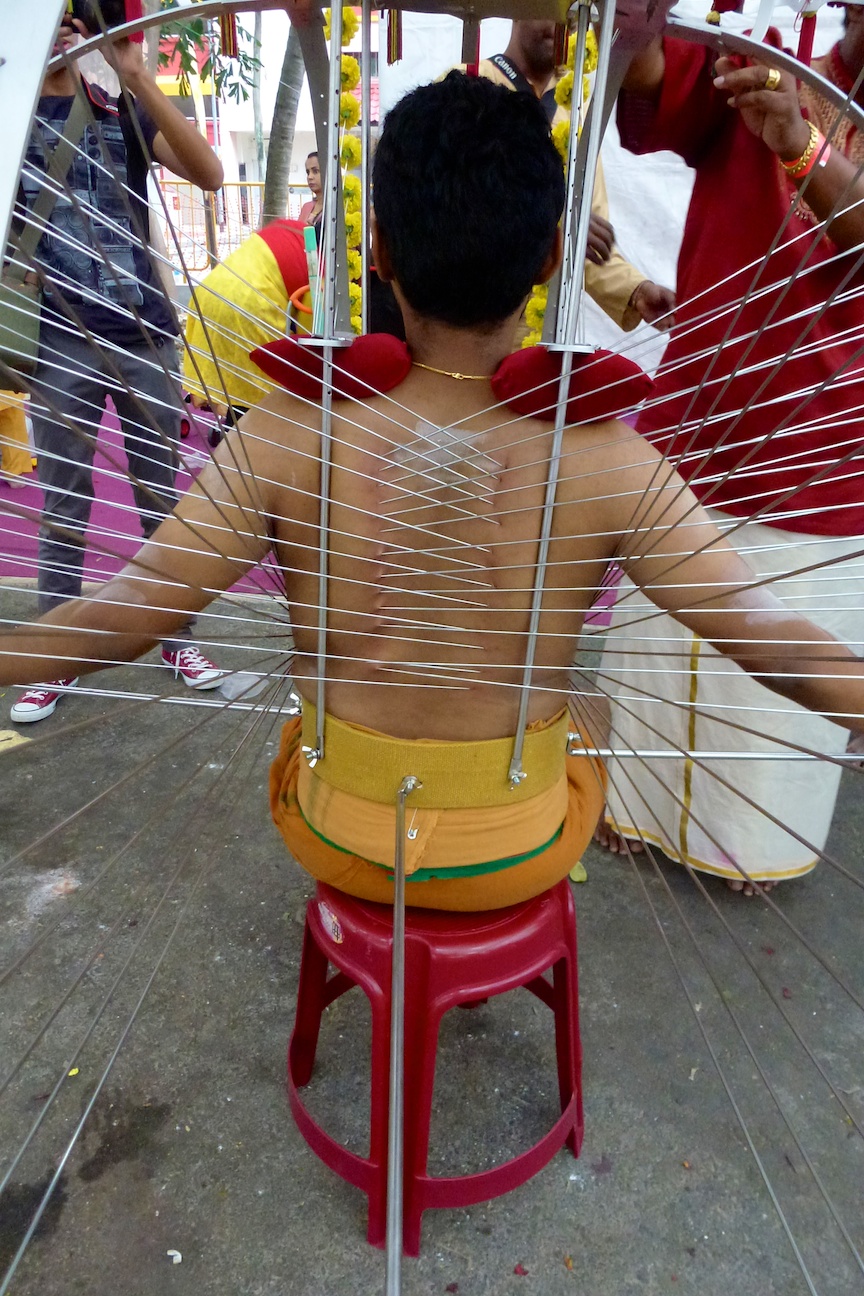
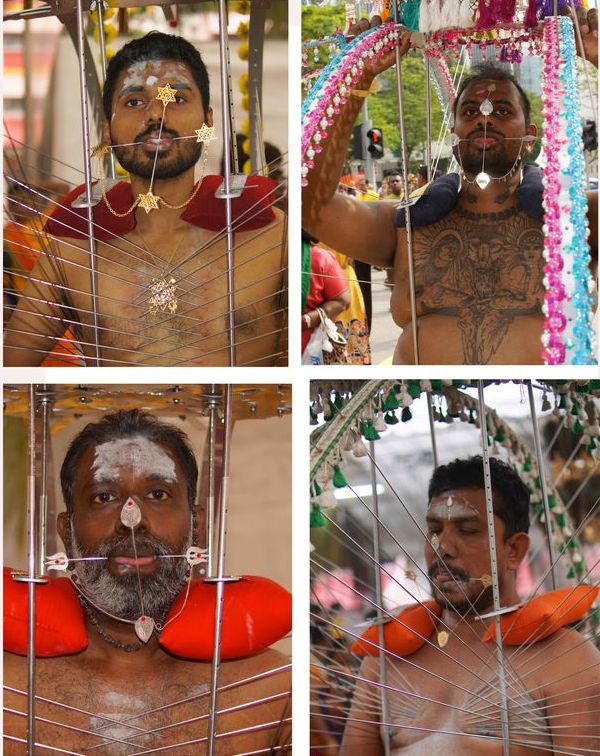
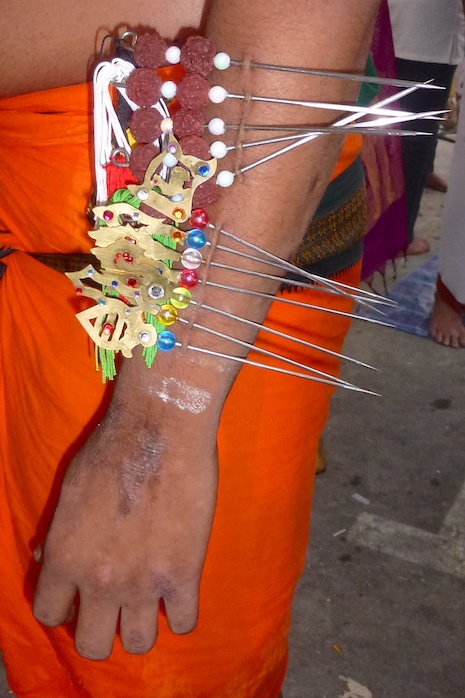
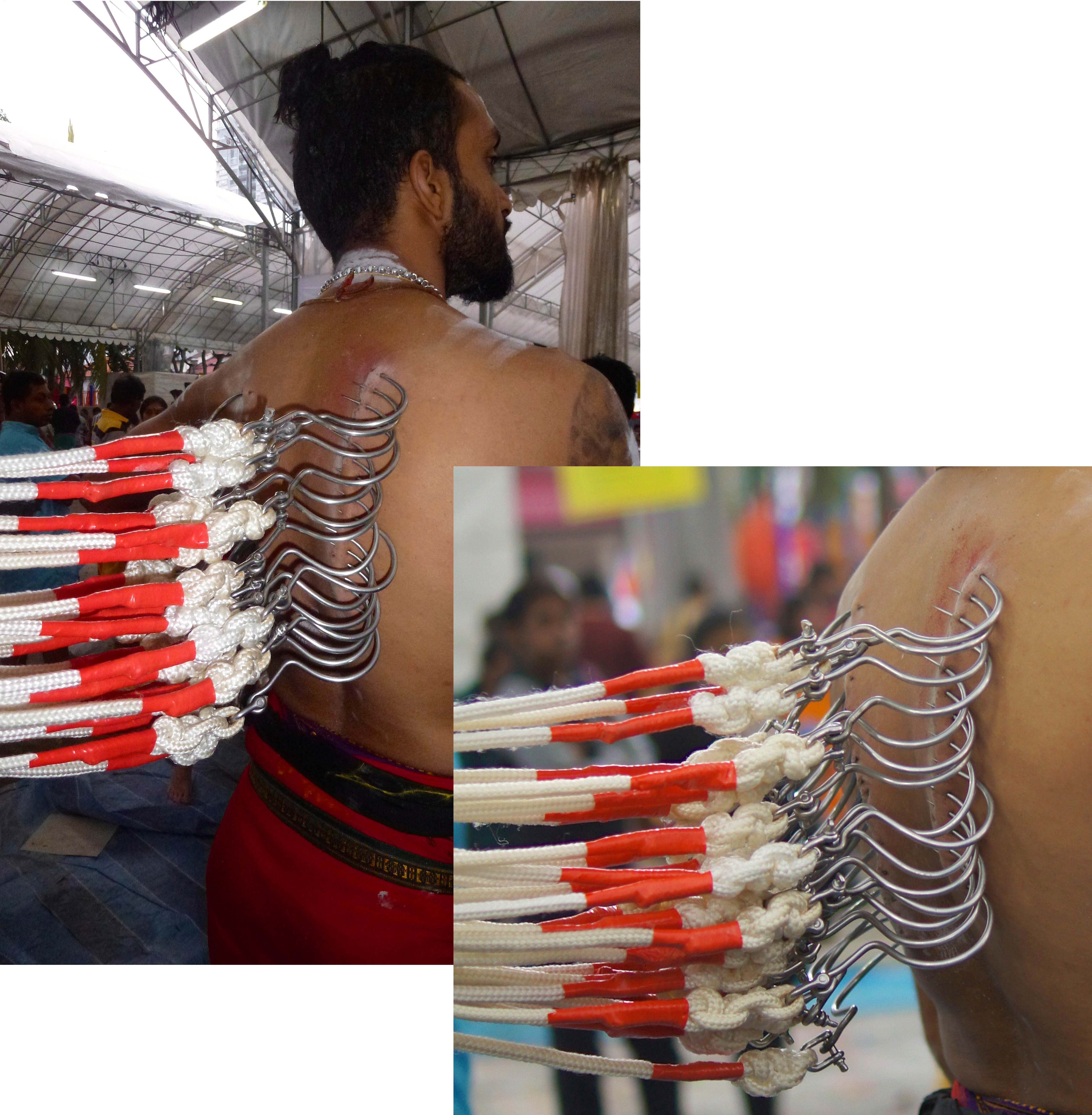
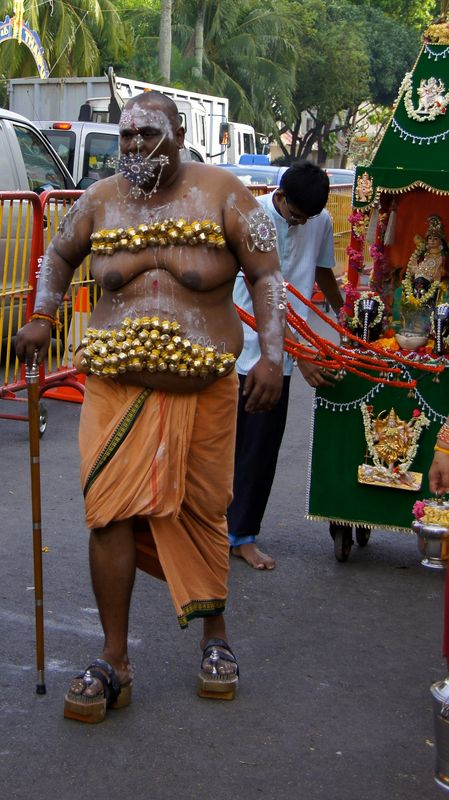
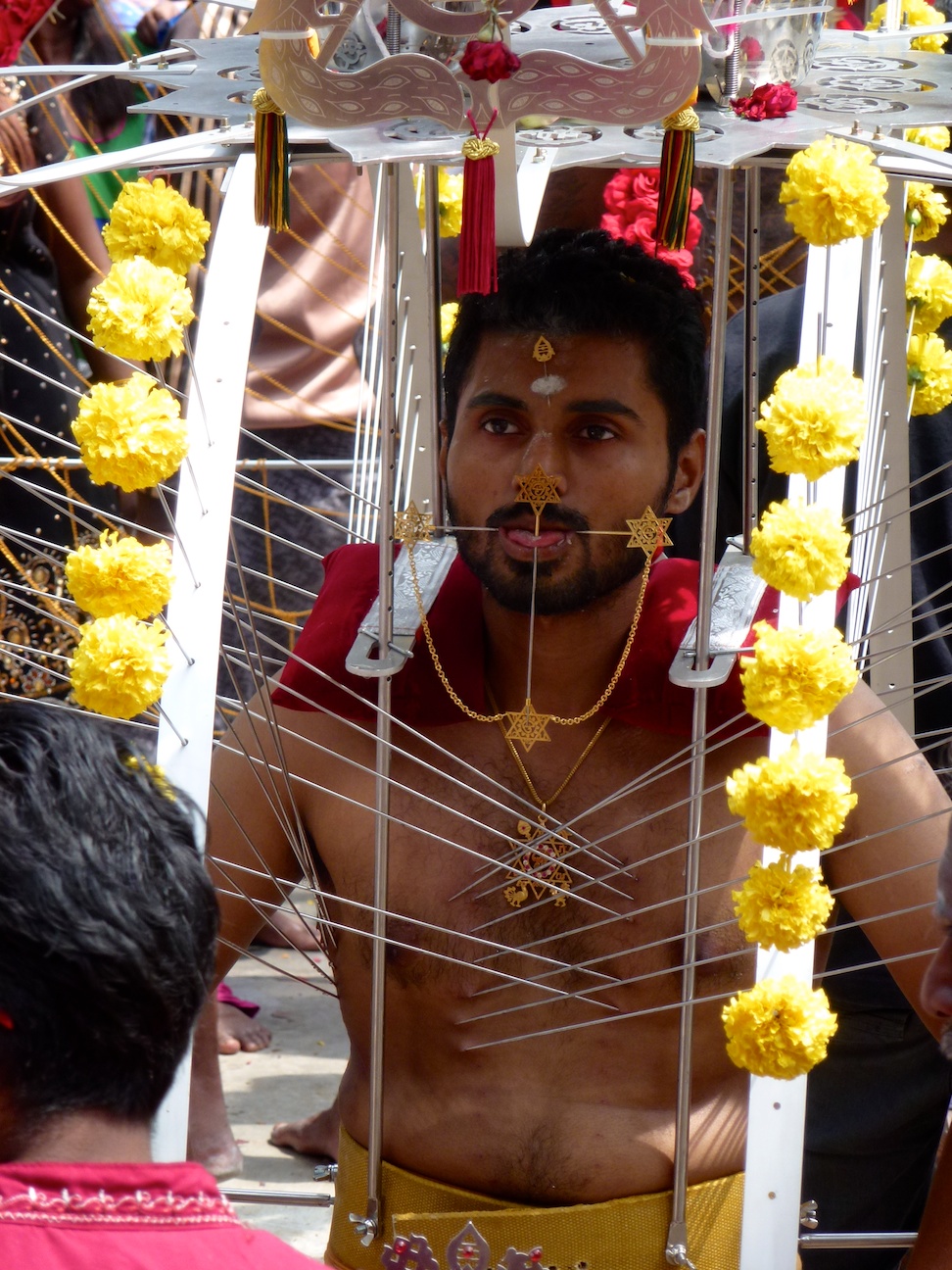
Lord Murugan is regarded as a destroyer of evil and preserver of good and the festival marks his victory for conquering evil. He is usually depicted with a spear or vel. This is why the devotees pierce silver spears or vels in various sizes through the skin of their back, cheek, and tongue.
Before the walk – preparation at the temple
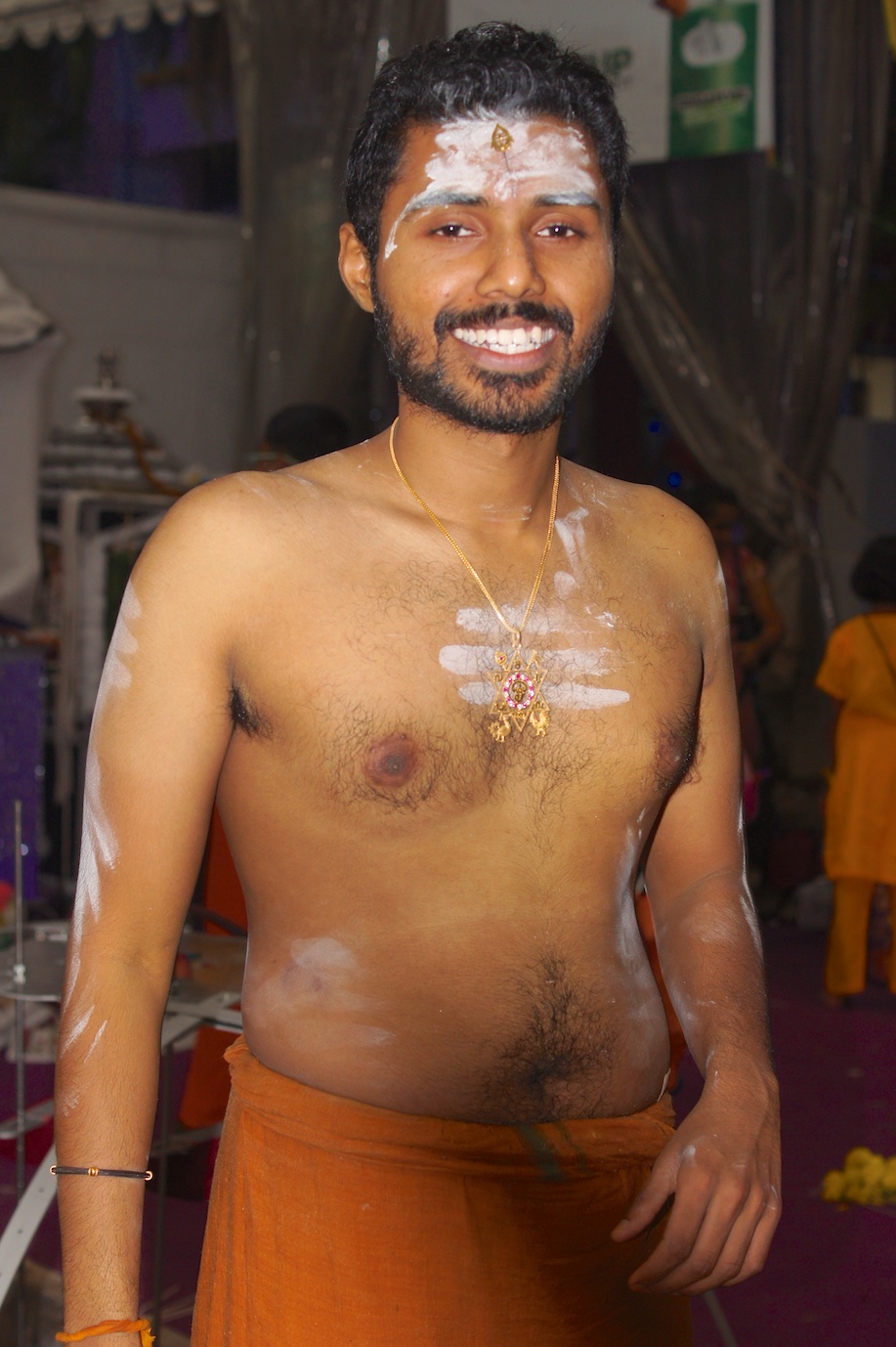
Here Vans is with his posse. They are close friends who will help him through his devotional walk. As a devotee, Vans had to grow his beard. This year, he had two of these friends play drums.
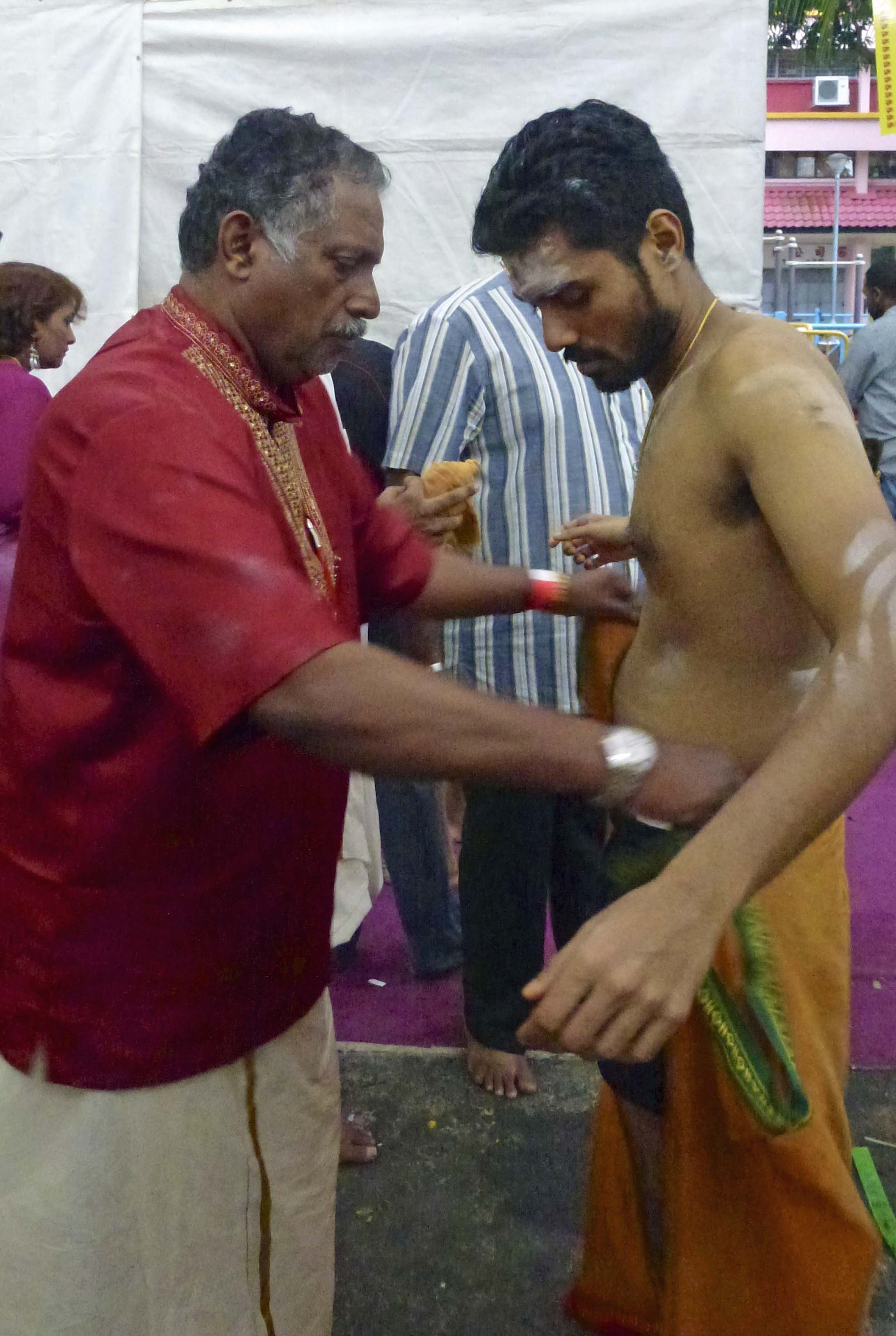
Vans' father is helping him prepare to carry the kavadi, which means, "sacrifice at every step".
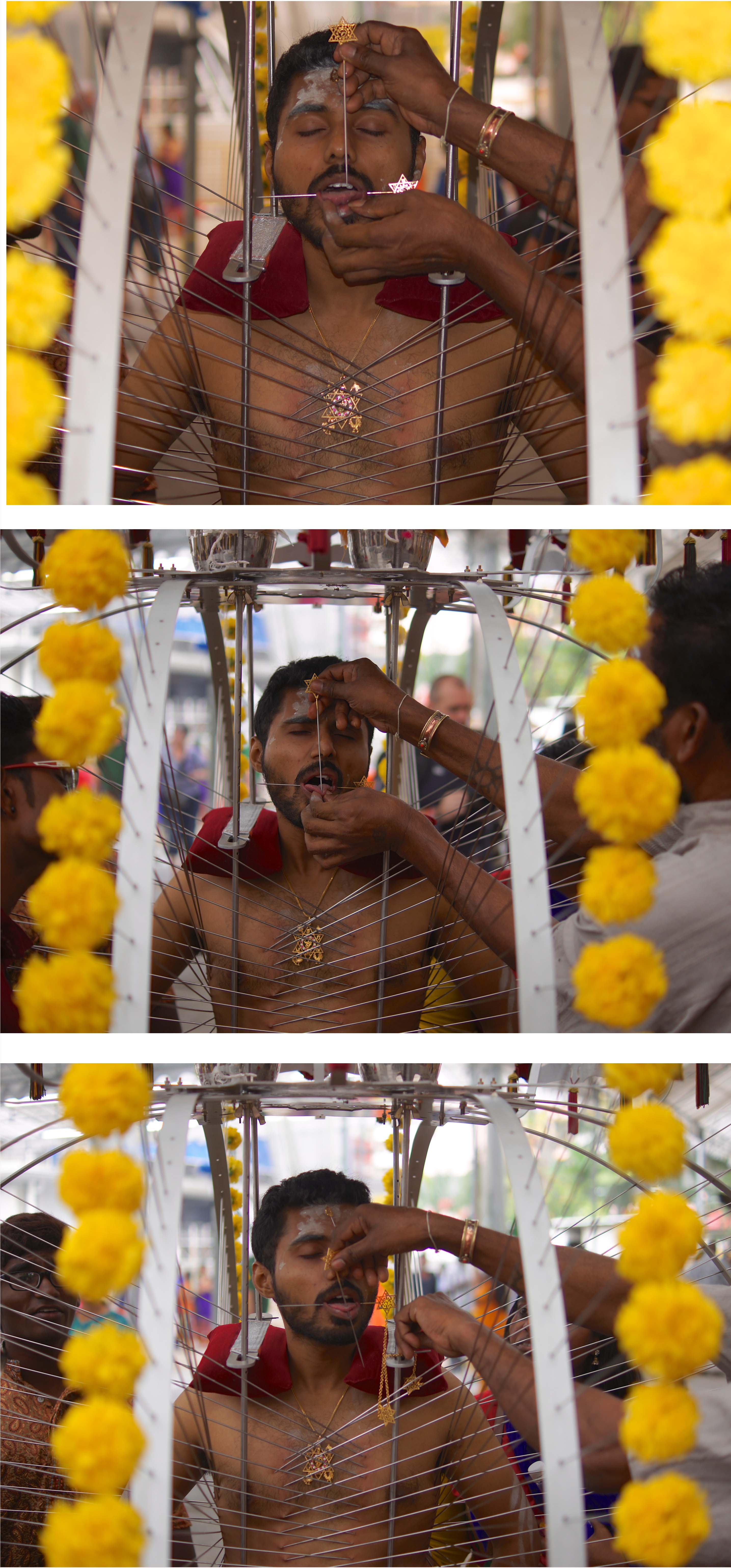
Next all of the spears are put in place. Family and friends do the piercings. And they do go through his skin. Most devotees pierce themselves, as they believe it will please Lord Murugan and he will fulfill their wishes.
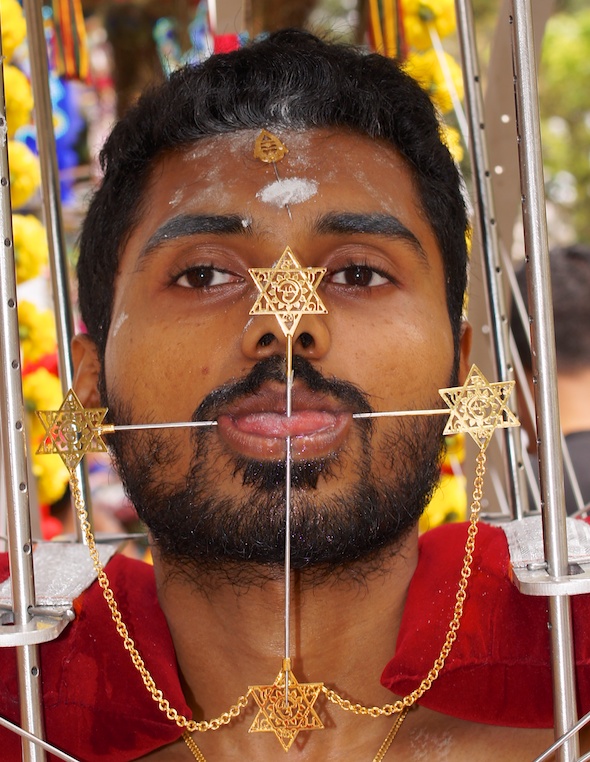
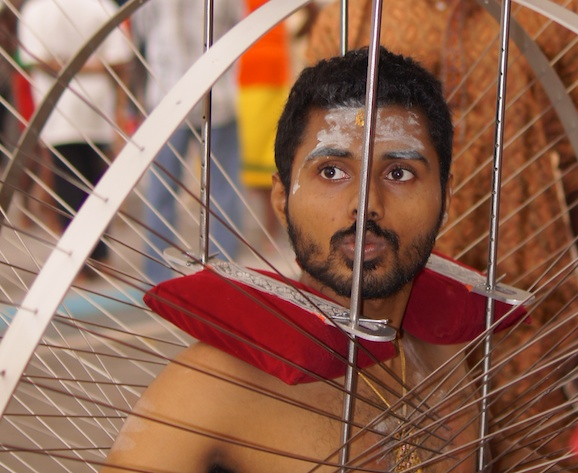
I really like this photo of Vans. It was taken shortly before he underwent the piercing to his tongue. Devotees pierce their tongue and cheeks to help them meditate and to stay silent.
The piercing, which I have now seen many times, still amazes me … how there is not any blood. And they do not leave any scars. Holy ash is placed on the needle before the piercing. They say it is the sacred ash that prevents pain, bleeding, scarring, and infection. Some say it is made of burnt cow dung, which has medicinal features and contains a styptic, similar to the shaving pencil that constricts blood vessels to stop shaving cuts from bleeding.
It is truly a family affair; his sister decorated his kavadi with a little bling.
Their neighbor, who was also at the dinner we attended, was next to Vans, preparing for his own devotional walk. I have some really good photos of his piercing on last year's post.
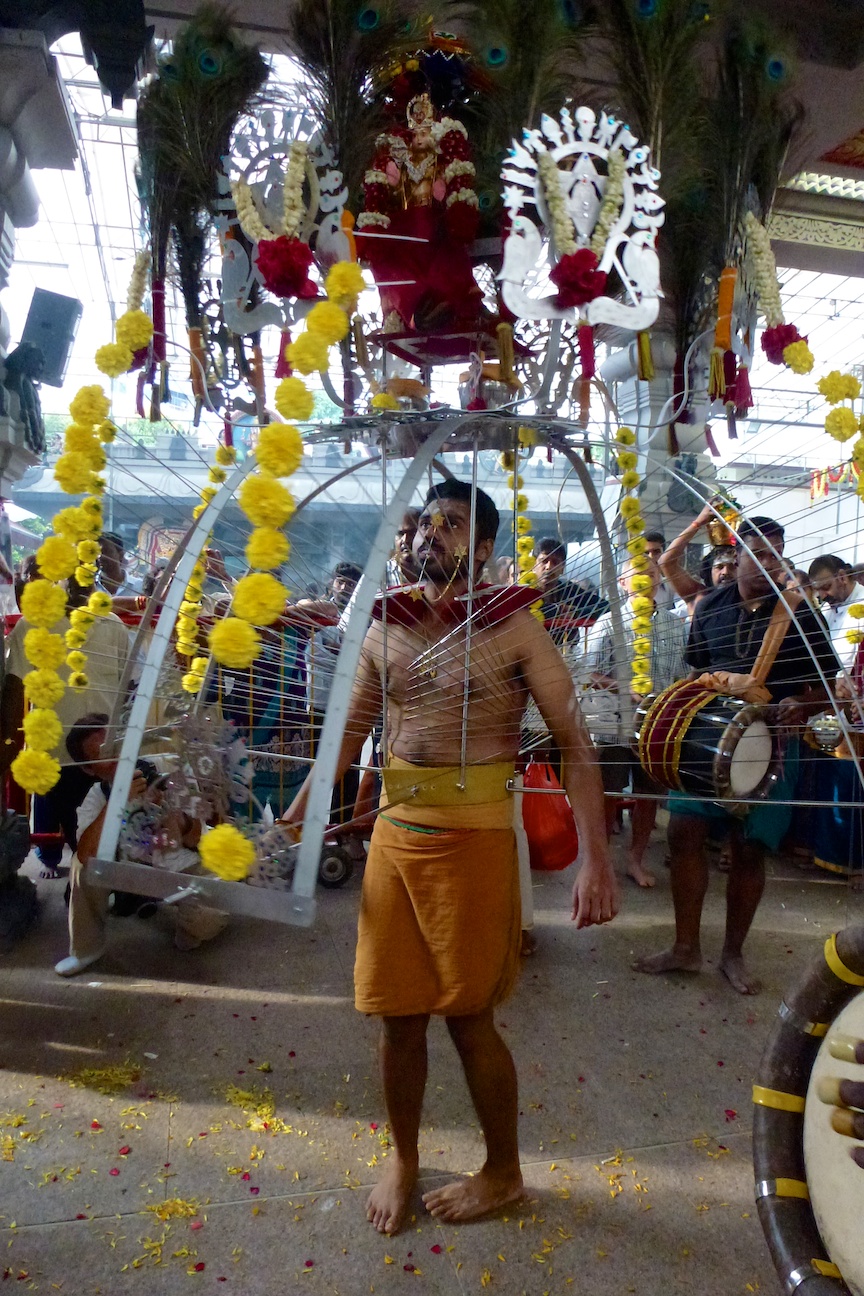
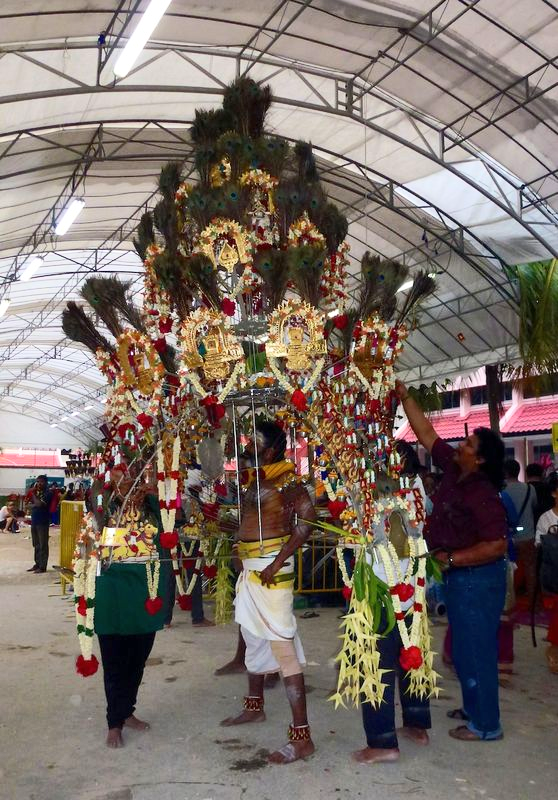
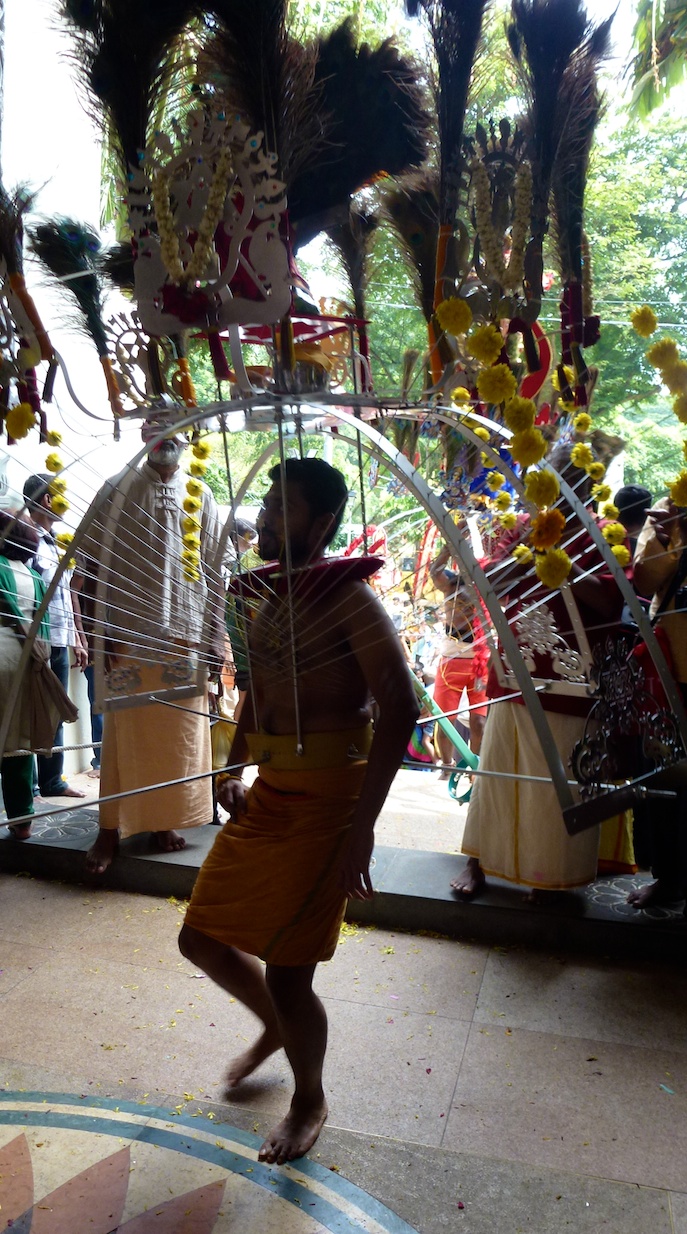
The photo below shows Vans as he begins to balance his kavadi. They are usually decorated with flowers and peacock feathers, but you will see other things. Vans' weighed 50 pounds!
Some of the kavadis can be quite tall and weigh up to 100 pounds.
It is believed that carrying the kavadi washes away sins through self-inflicted suffering.
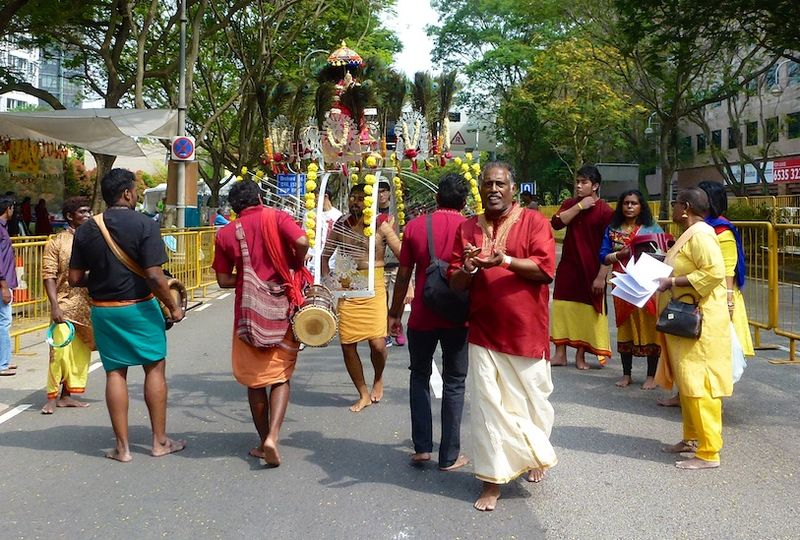
The procession starts at the Sri Srinivasa Perumal Temple and ends at the Sri Thendayuthapani Temple. It is a 3-mile walk and everyone, including us, must go in bare feet. There is one other option, to walk it on spiked shoes. It took us about 5 hours for the entire walk.
Devotees
All ages walk in the procession demonstrating many different forms of worship. I have to say, we felt very special, as we did not see any other westerners in the actual parade.
There is quite a bit of chanting and singing as you walk along the procession. This is to help support and encourage the devotee through his pilgrimage. I think Vans' dad (below) sang and danced the most. I even got into it this year – yes dancing and singing!
Each devotee will also dance along the way, especially when they pass by a temple. Here is a clip of Vans dancing and all of us singing!
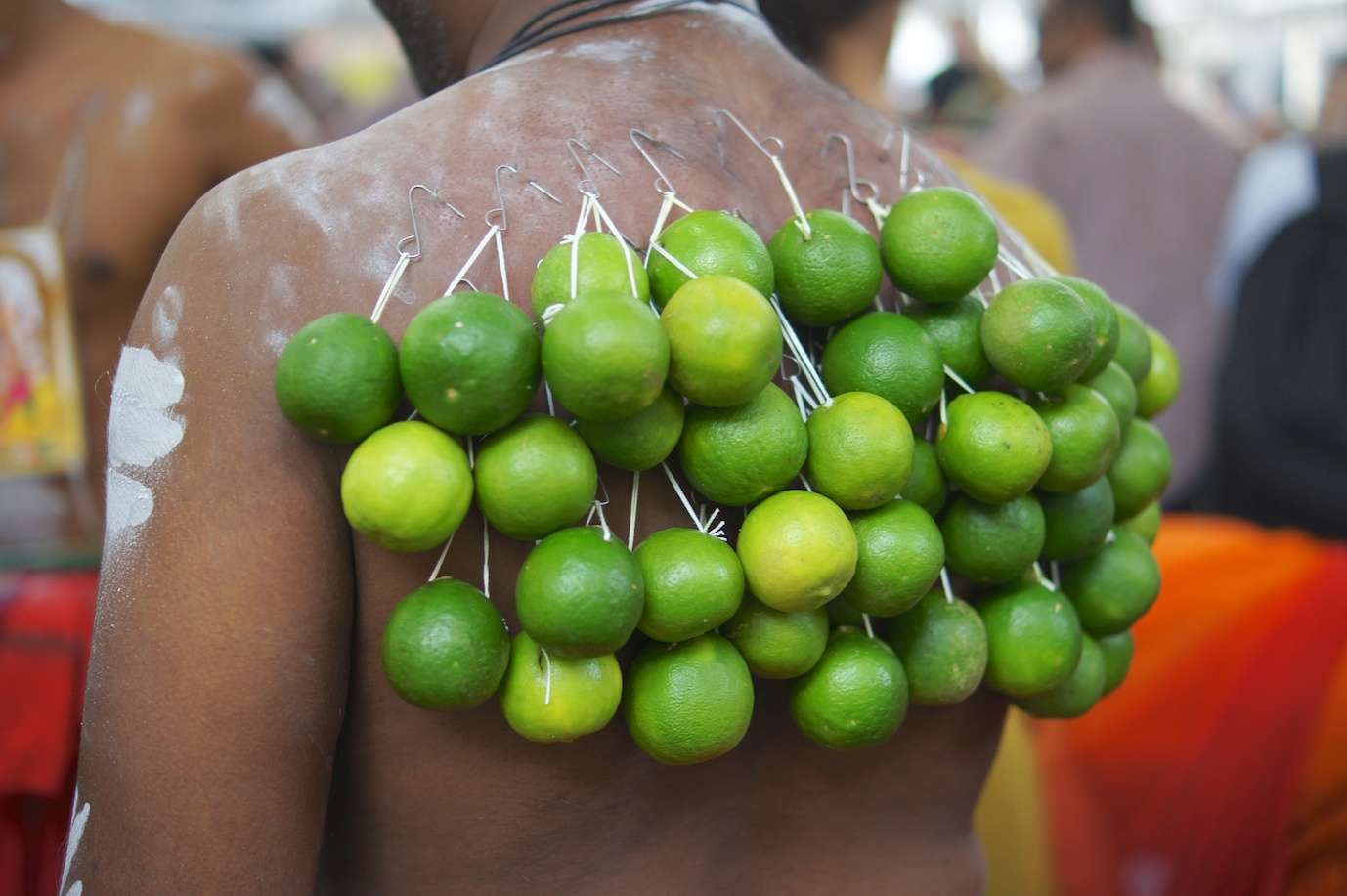
Limes, which are hung from hooks on the devotee backs, represent protection by the deities.
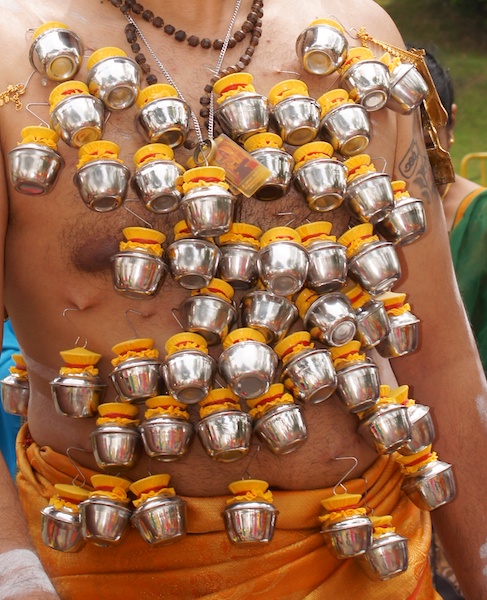
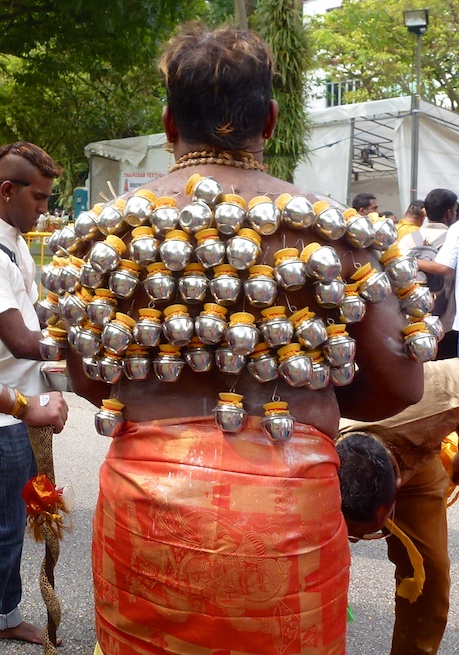
Other devotees fulfill their vows by carrying Paal Kudam (milk pots), which or represents the burden they are carrying either for themselves or their family. In the end, the milk is given to the temple as an offering.
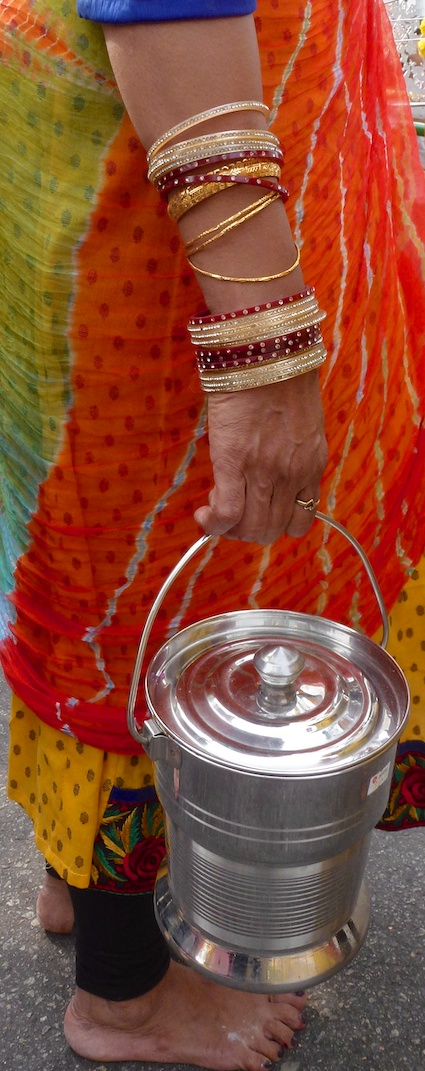
The family carried the jug pictured below. Helena and I even had our turn at carrying it. At the very end, we all ate a handful of the special fruit mixture their father made. The mixture is called panchaamirtham and it means five immortal substances and includes five special ingredients – dates, cashew nut, banana, honey, and ghee.
Devotees usually wear yellow, which is said the have been Murugan's favorite color. It is also the color worn to mark any religious festival in Hinduism.
The big hooks below are for pulling a chariot.
The chariot is the green structure, they are very heavy.
The forehead is considered the center of the mind and by piercing it, devotees refrain from evil thoughts.
Women, Children, and Family
Very few women pierce. I was talking to one young woman who did it last year but her Hindu boyfriend told her he did not want her to do it again this year.
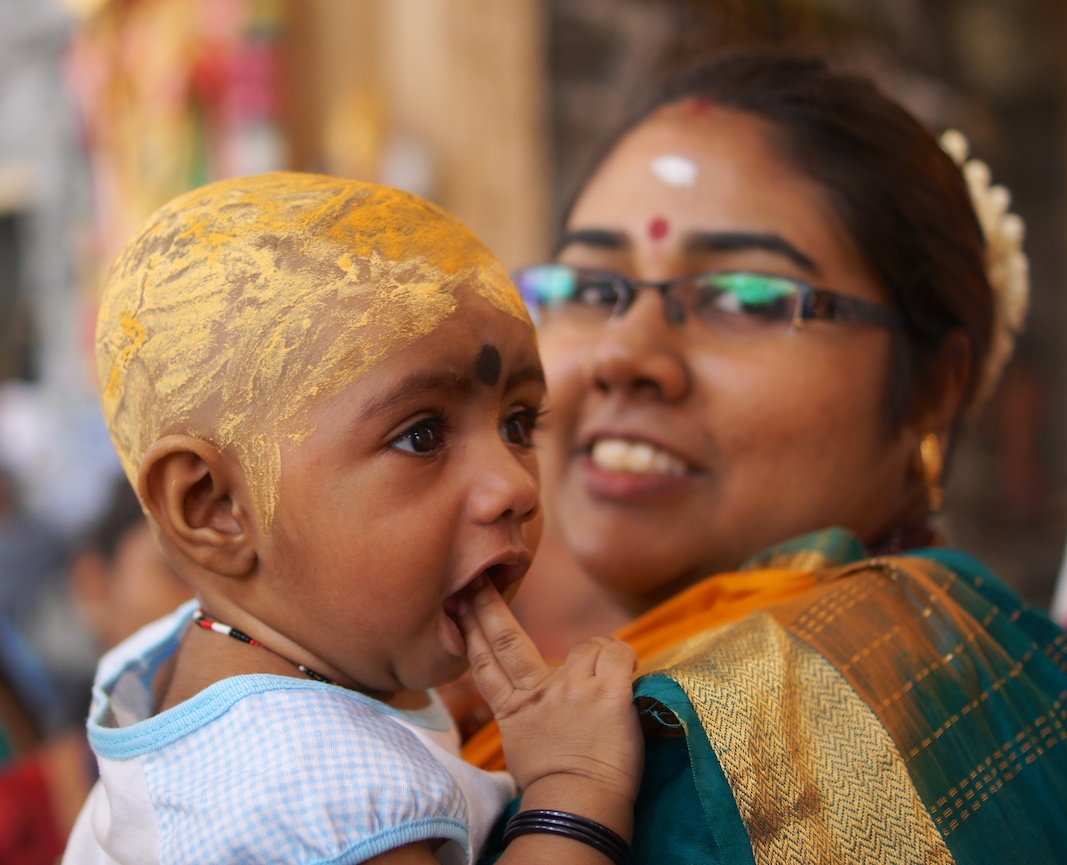
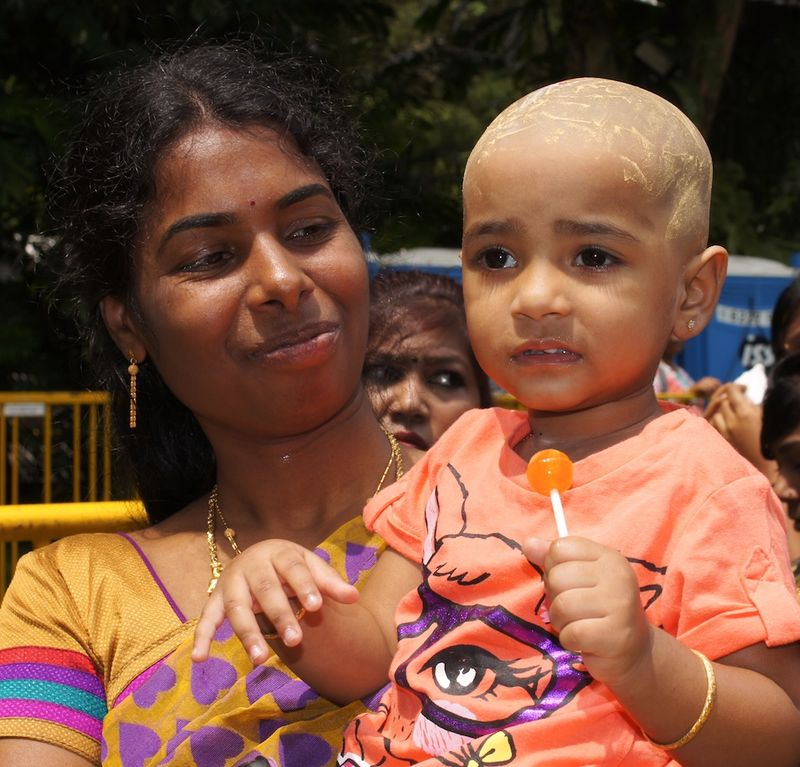
Clean-shaven heads covered with sandalwood paste is a symbol of humility and atonement. Sandalwood is also depicted as purity.
Many devotes, especially families, will each carry a pot of milk on their head to show devotion and love to the god. Most hold them up with both hands and they never put their arm down for a rest. This young girl was behind us in the procession and she kept her eyes closed the entire time.
Many devotees who do not participate in the procession will still shave their heads to honor Lord Murugan.
The photo below is near the end… you can see the exhaustion in Vans' face. It is very difficult when you reach the entrance of the final temple, as you have to wait in line for nearly two hours; the entire time the men countinue to support the heavy kavatis. Many men sat down on chairs, but Vans refused to rest. I thought for sure he was going to pass out – but he stayed strong. It was so amazing to experience this with him.
When you enter the temple, the devotee does his final dance. Where they get the energy to do this is beyond comprehension. We were completely exhausted at the end, and we did not have to carry anything (nor did we fast for 48 hours like the devotees).
The final step in his journey was to kneel down and pray at the temple. This concluded a long but rewarding day.
I'll end this post with some fun group Shots…
New Friends
Vans' Family Photos
Brother and Sister
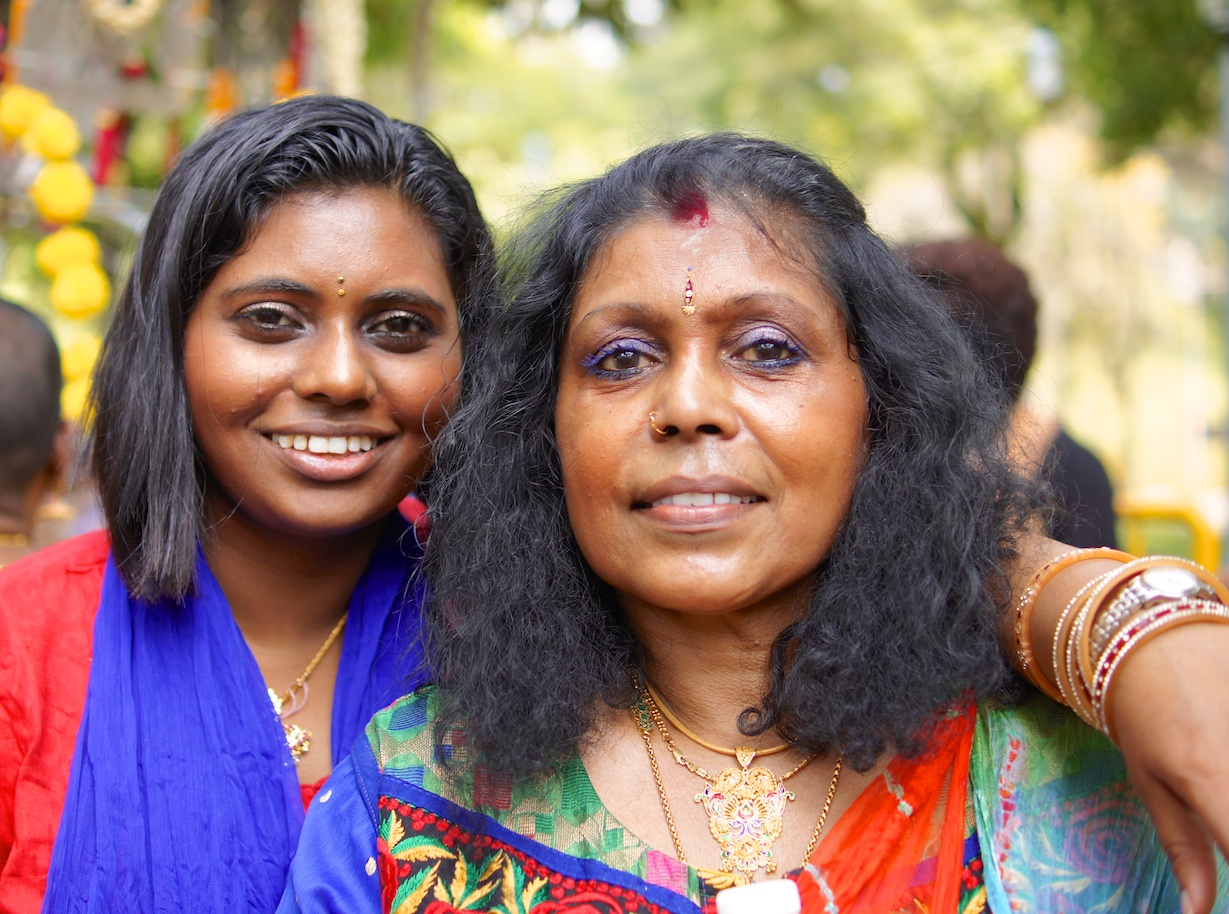
Mother and Daughter
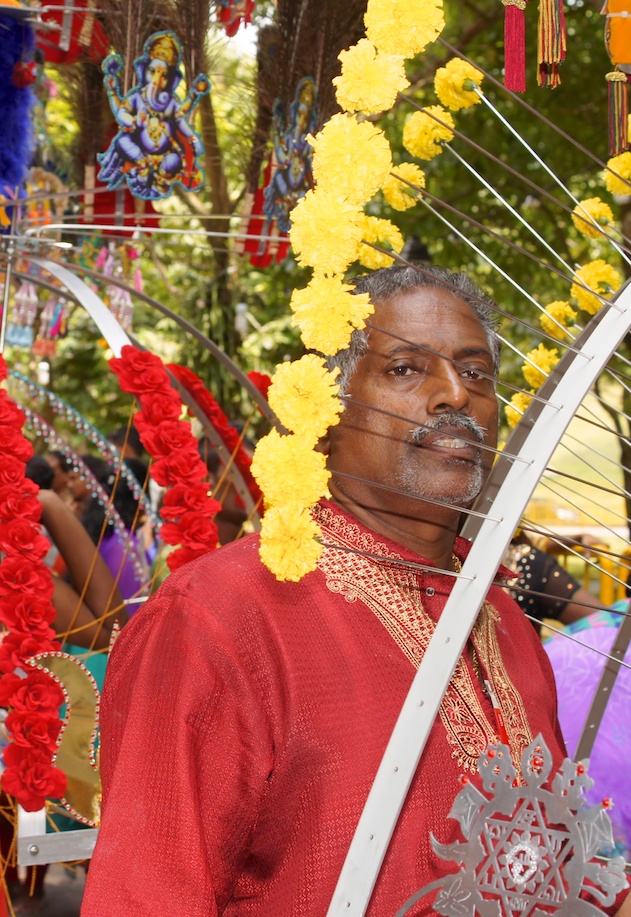
Proud Papa
Mother and Son
Thank you Vans, Kas, and your parents for allowing us to be part of your special day… giving us memories we will never forget!
This is my favorite photo – after a grueling journey, Vans is as energetic and happy as can be!
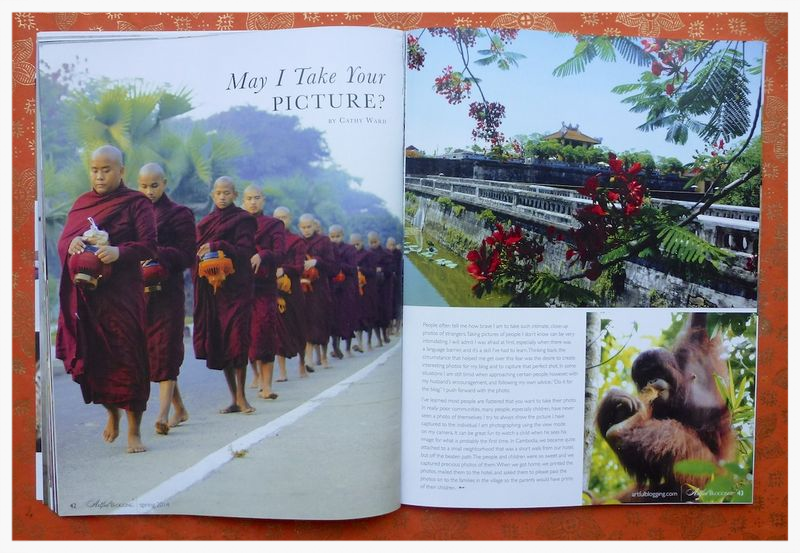
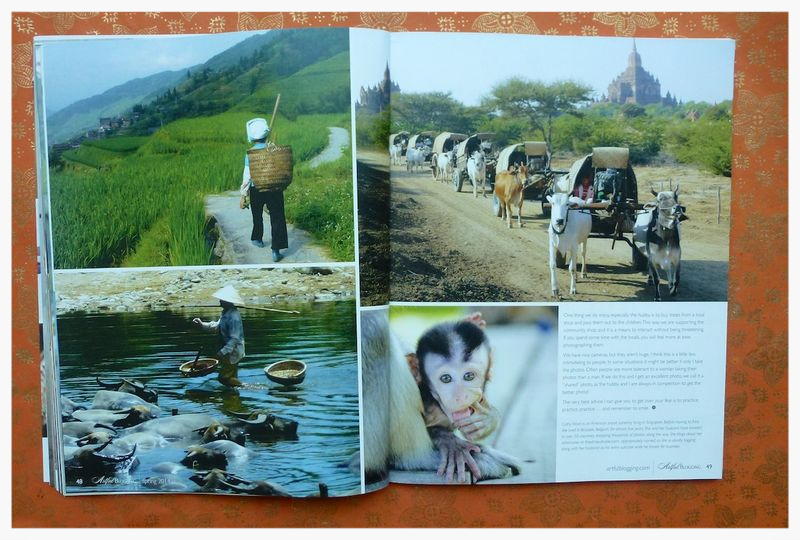
A few weeks ago I shared my exciting news… that our blog, TheXtraSuitcase.com is published in the beautiful magazine Artful Blogging. I now have a copy of the actual magazine and can share the layout with you.
I wrote an article entitled, " May I take your Picture".
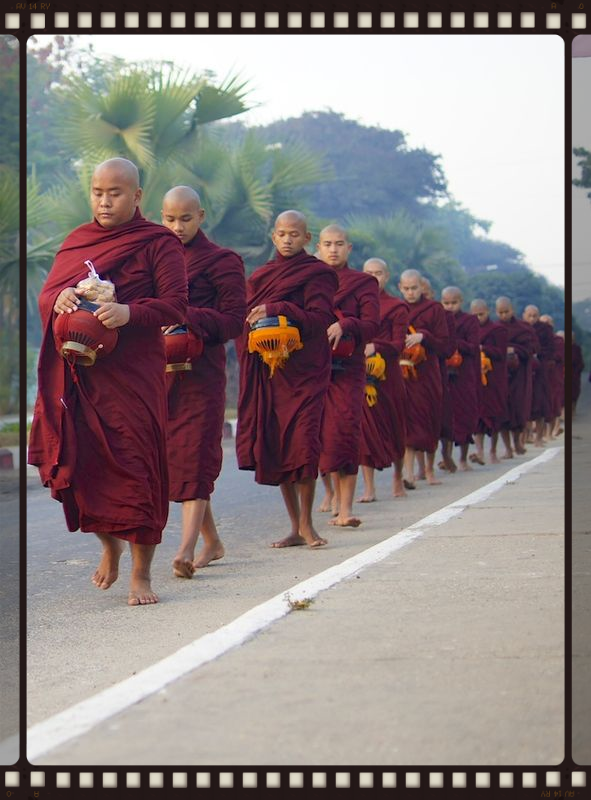
It is hard to photograph the pages of the magazine so I am sharing the actual photos they selected for the article. Under each photo, I listed where it was taken.
Luang Prabang, Loas
Hue, Vietnam
Borneo, Indonesia
Bagan, Myanmar
Hue, Vietnam
Danang, Vietnam
Hue, Vietnam
The Dragon Back Rice Terraces – Longji, China
Hoi An, Vietnam
Bagan, Myanmar
Borneo, Indonesia
I am thrilled to see our photos in a magazine and I want to extend a big thank you to Stampington & Company, especially Jennifer Jackson Taylor, Christine Stephens, and the Artful Blogging team. I think they did a wonderful job with the layout.
We have not been to Australia and D had a 4-day weekend for Chinese New Year, so we decided to hop on a seven-hour flight to explore it : )
We had a fun time. We think we could live in Melbourne – cozy neighborhoods, coffee culture, and great food. But as a place to visit – not too much to do but drink coffee and eat : ). We did have THE BEST poached eggs that we have ever eaten, at a restaurant called Hobba.
GRAFFITI AND STREET ART
There was quite a bit of graffiti, but in isolated locations. We even saw kids out in the day spray-painting. We think that as long as they were in the designated areas, it was legal.
A chalk painting.
YARN BOMBING
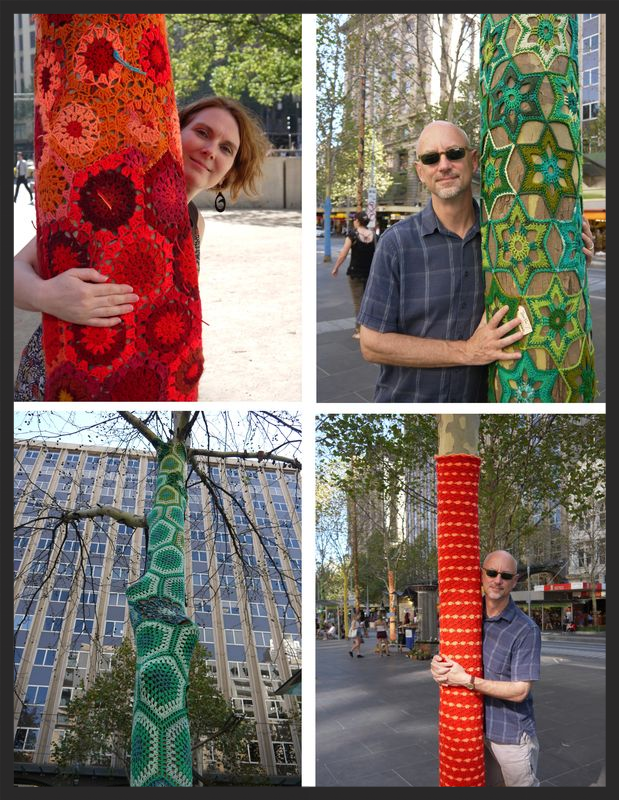
Yarn Bombing is a form of Street Art in which items are knitted for unlikely objects or places throughout urban surroundings. The good thing about this type of street art is it can be easily removed if necessary, unlike graffiti.
This one was organized through the city and created by Yarn Corner – titled "Yarn Corner Stitches Up City Square". It was colorful and fun to see.
RELAXING AND EATING
YARRA VALLEY WINE REGION
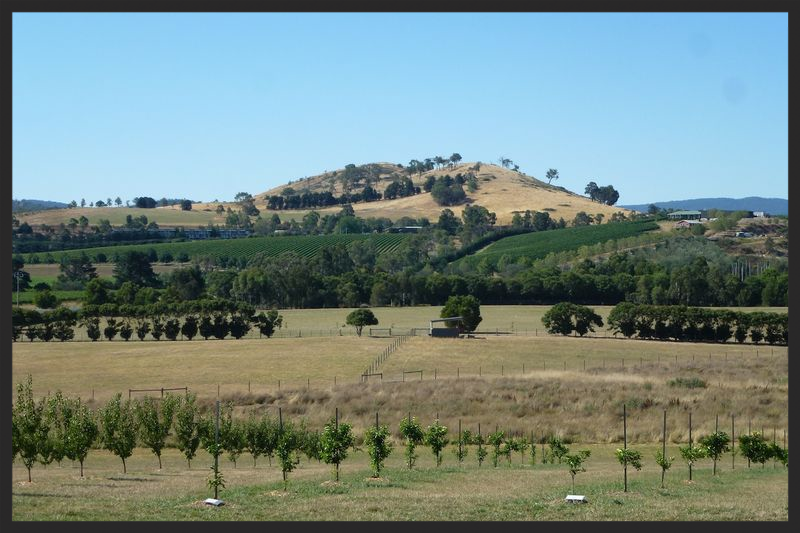
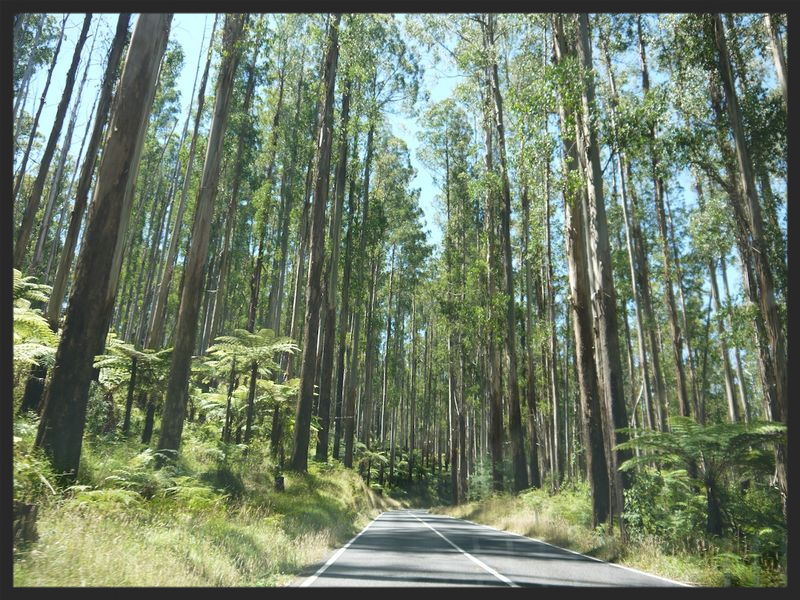
Yarra Valley is a one-hour drive from Melbourne and is a famous wine region with over 80 vineyards. We rented a car and spent the day in the area. We took the route through the Dandenong Ranges and were surprised at how beautiful it was with unusual landscape. The forest was stunning with unique ferns growing under the tall, tall trees.
The landscape varied significantly within just a few miles.
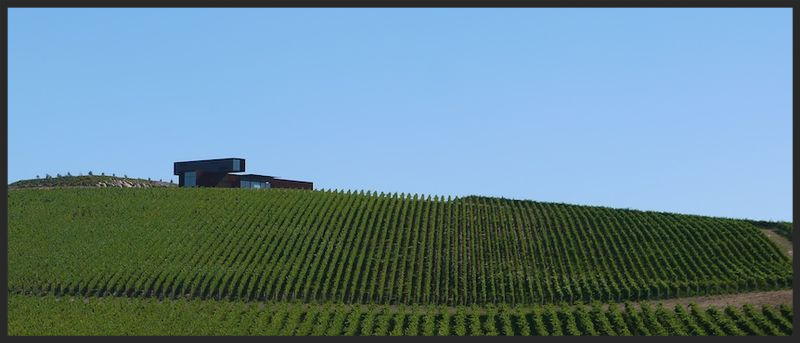
And meticulously maintained vineyards. It reminded us a lot of Napa Valley in California.
The temperature reached 106 while we were there. Pretty hot, although it was a dry heat unlike Singapore's humid environment.
We enjoyed our visit to Australia – and I did get to see one kangaroo (my goal); unfortunately, he was sleeping on the side of the road : (
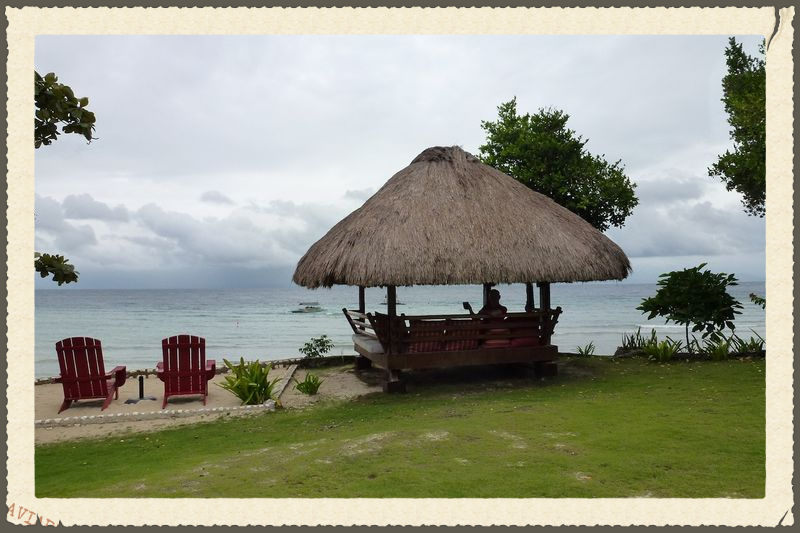
We are very fortunate, with all the traveling we do, we have never had a vacation that was completely rained out… until the Philippines.
January is not supposed to be their rainy season. There was an unusual low-pressure storm over most of the islands. Further south there was bad flooding. This could have been an awesome vacation – our resort was lovely.
On the first day we had a little break in the weather mid-morning so we tried to snorkel. I never got in the water as it was far too rough. D was out for about 30 minutes but could not see anything.
He did find a beautiful blue starfish, but that was in knee-deep water.
We created a cool Birthday greeting for our niece…
got in a lot of relaxation and reading…
and took one brief ride on a local taxi… too wet!
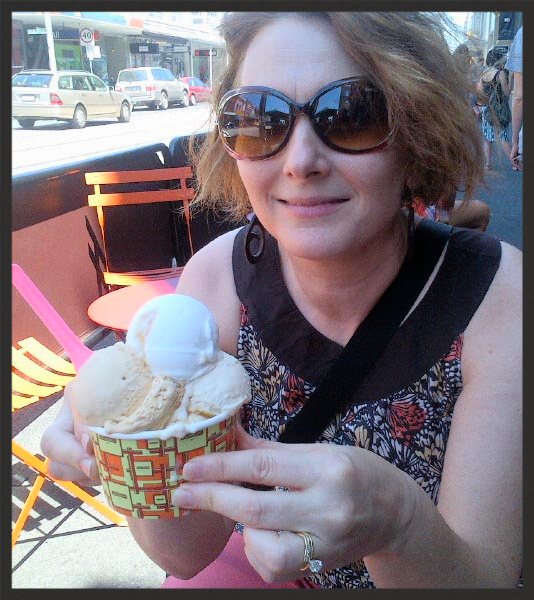
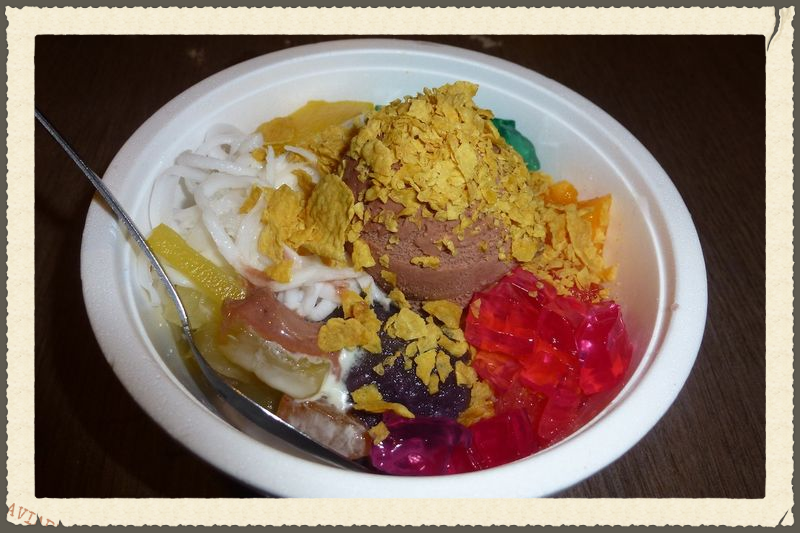
We enjoyed a local speciality, halo-halo which is a hodgepodge of strange ingredients including shaved ice and ice cream.
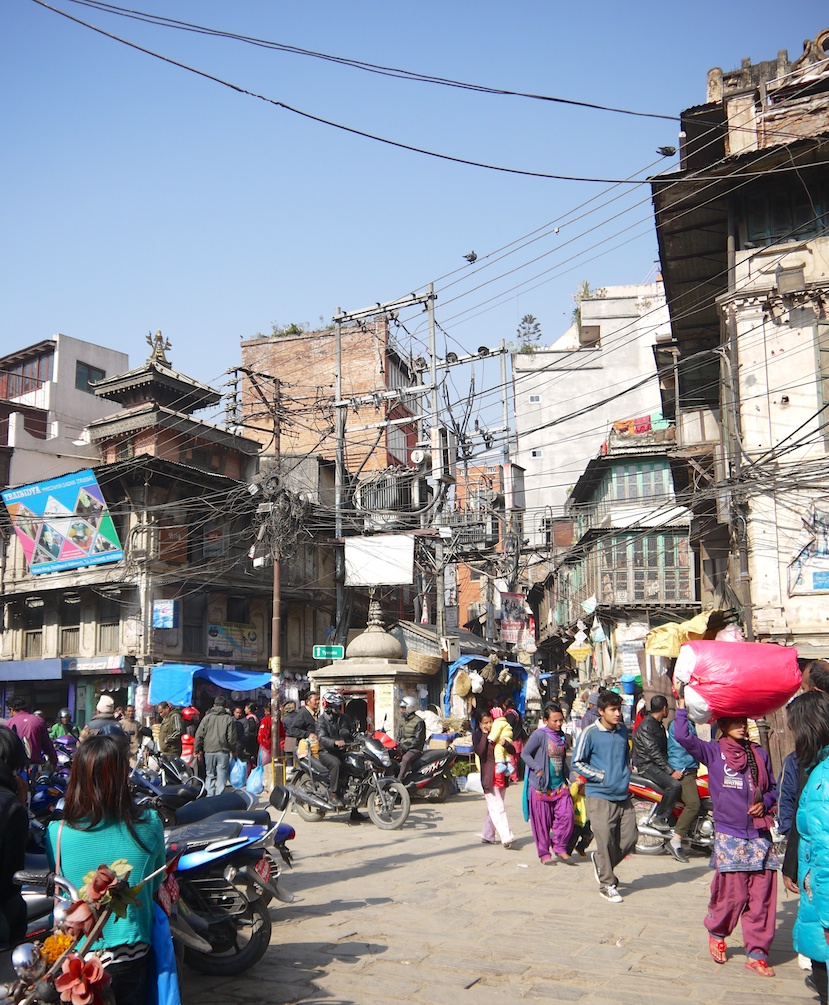
Namaste, and welcome to our post on Kathmandu, Nepal. Where do I begin? It is a photographer's dream. We took 2600 photos in six days. Kathmandu reminded us of India, Cairo, and Morocco; three of our favorite cities, all rolled into one. Crazy, crowded, colorful, dirty, interesting… a third-world country for sure. This is what we seek when we travel, and we LOVED Kathmandu!
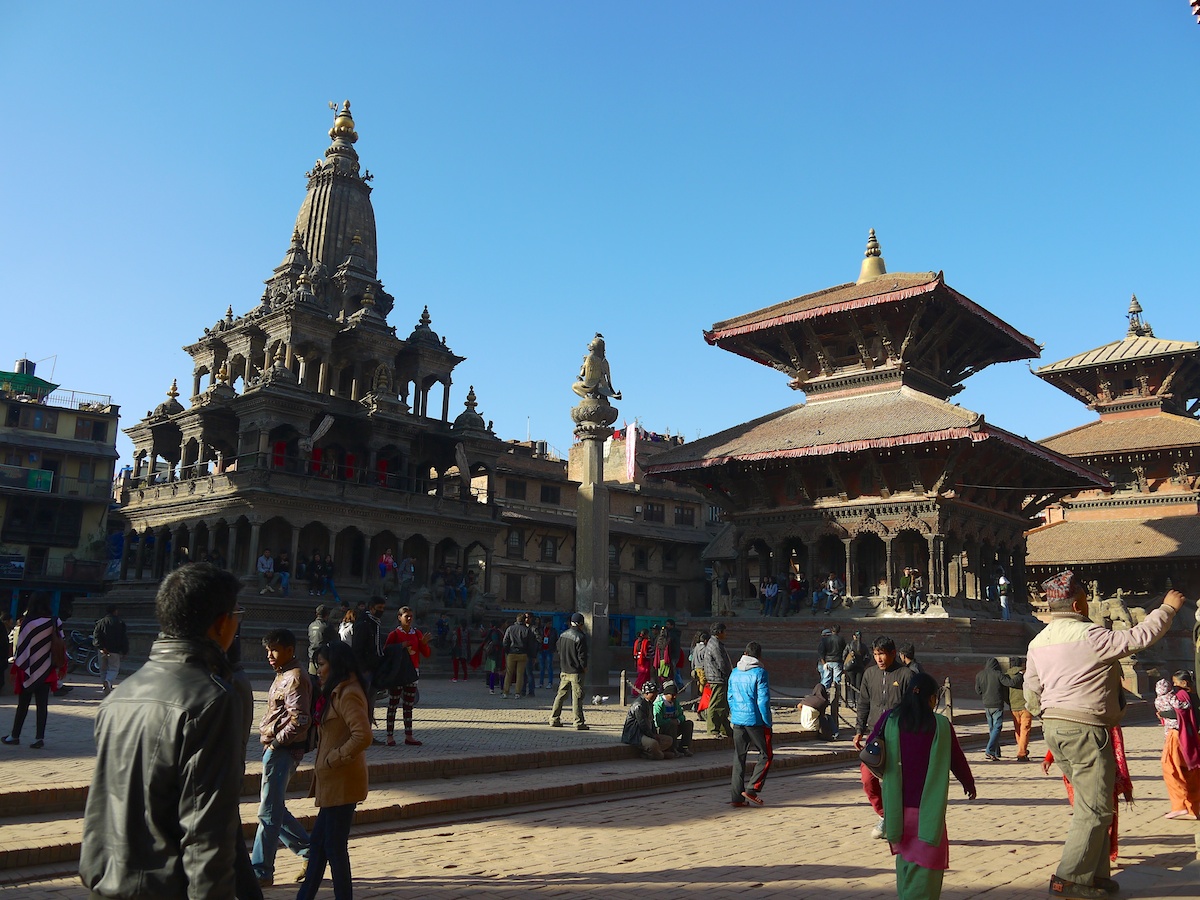
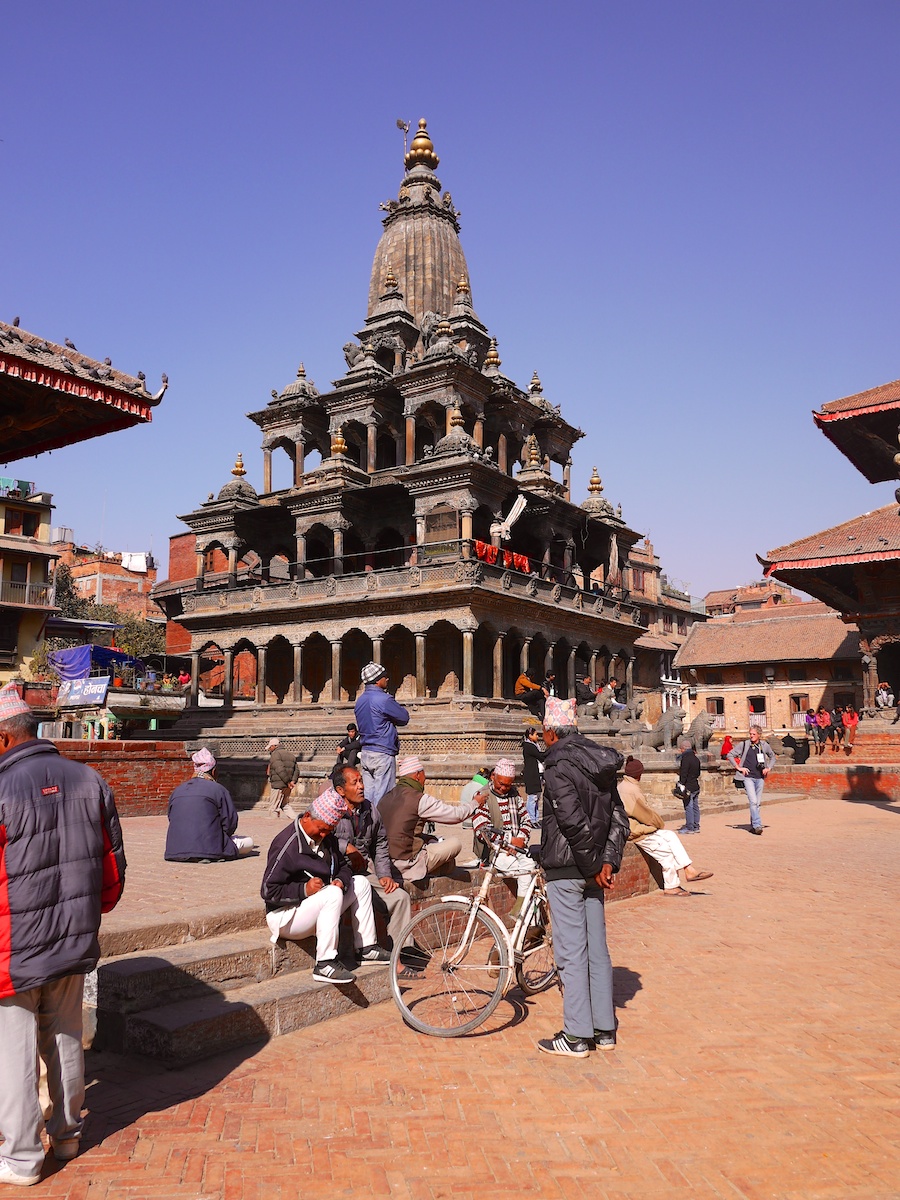
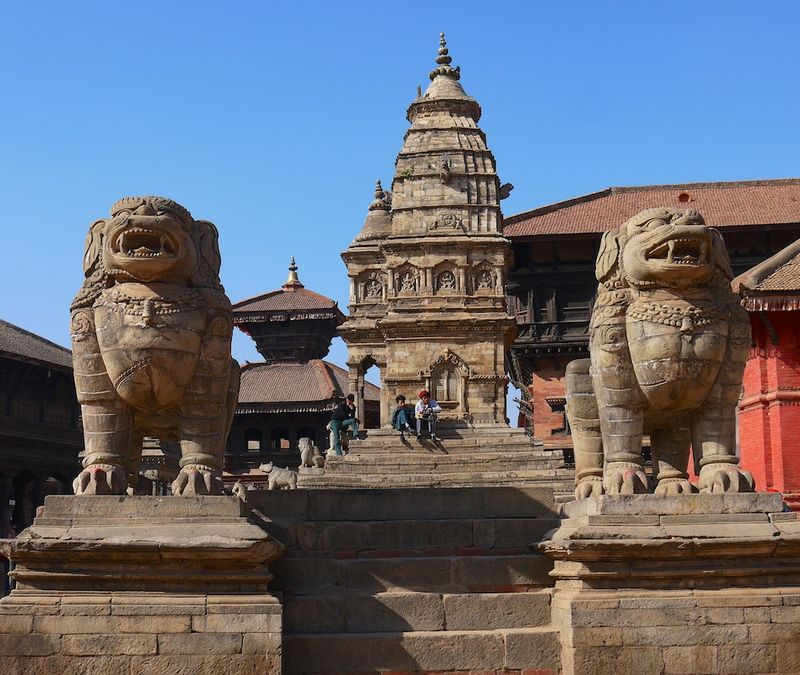
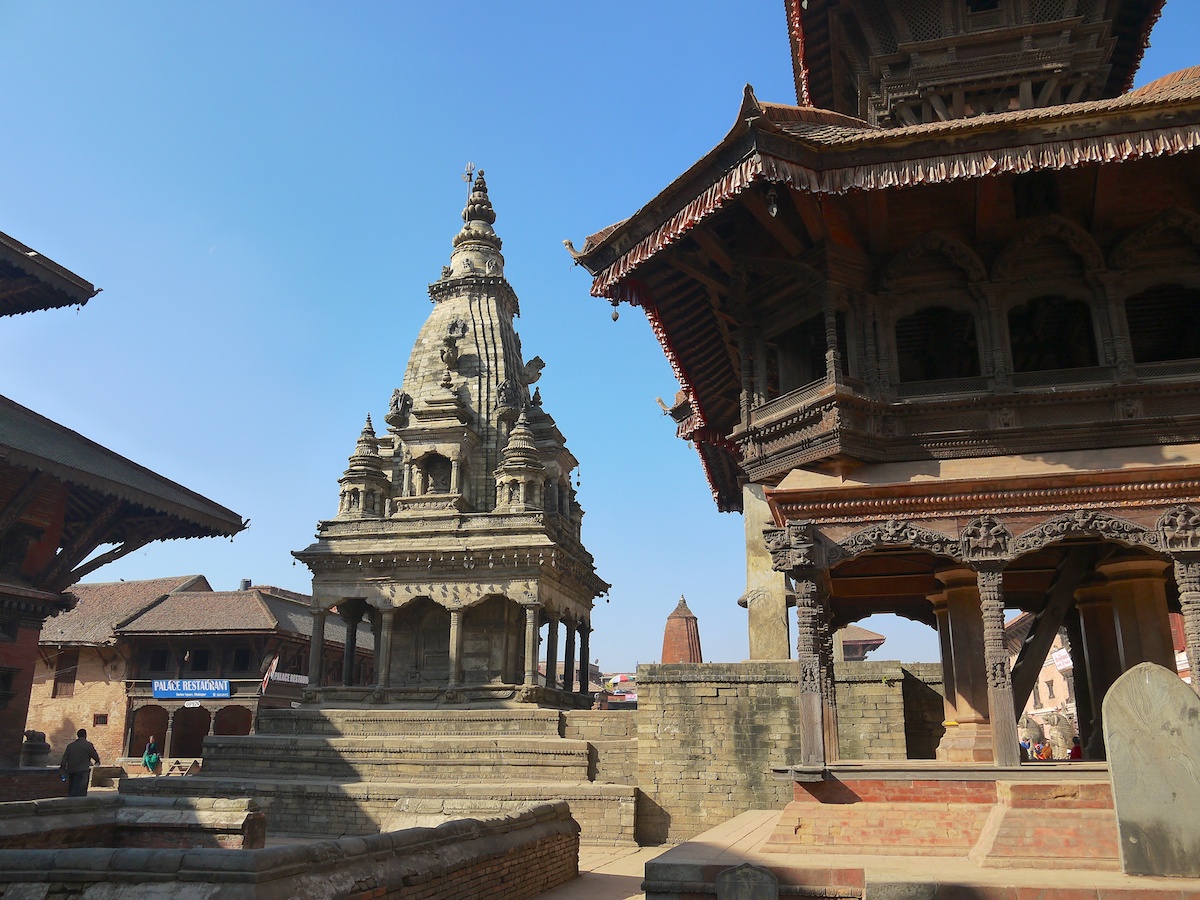
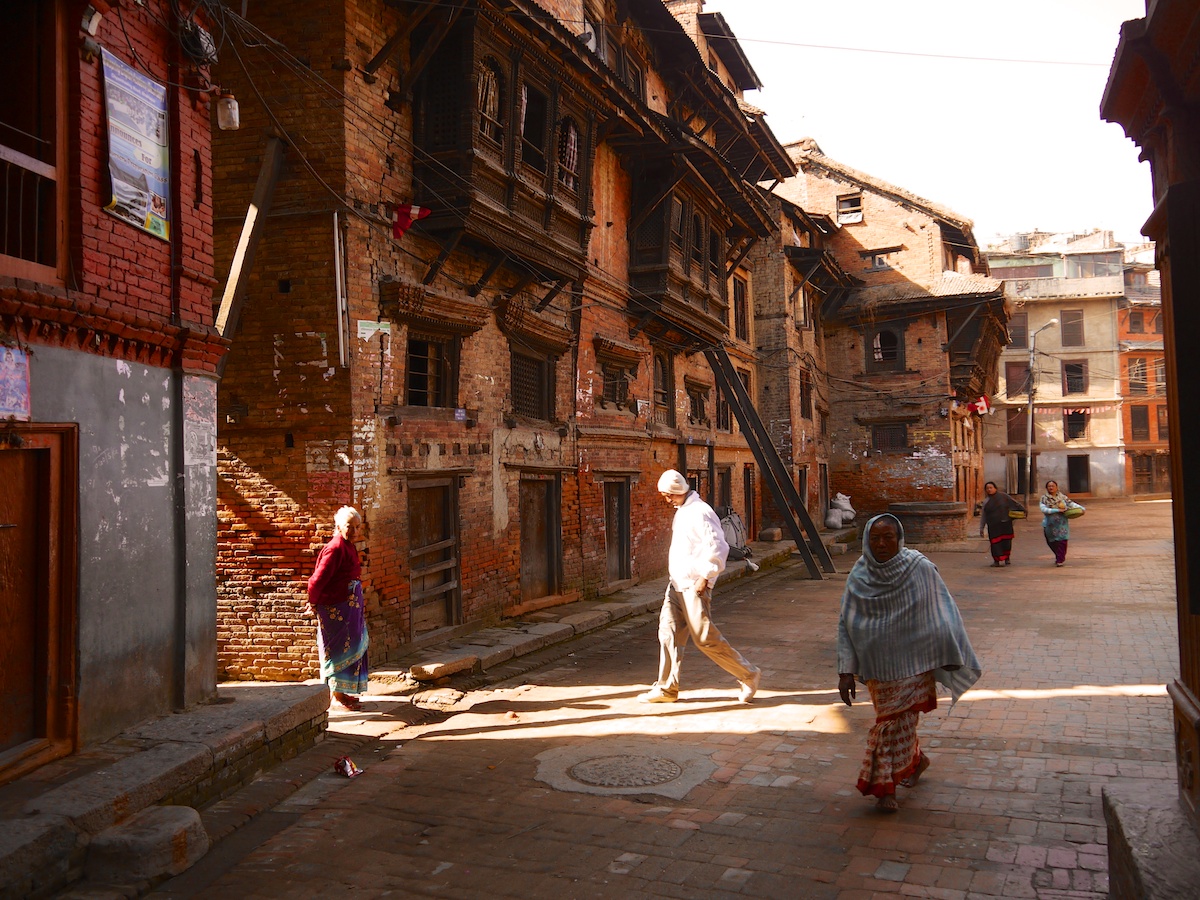
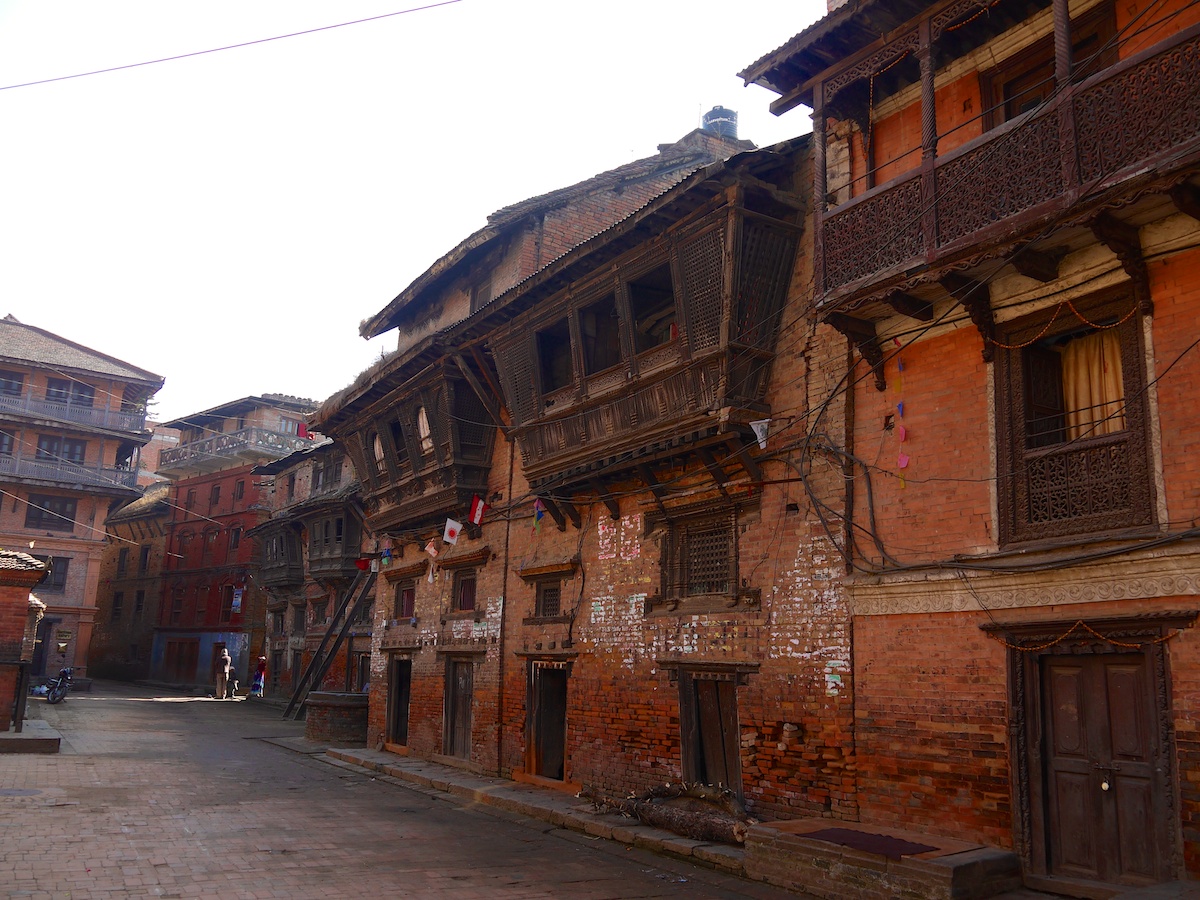
Kathmandu Valley comprises the three ancient cities of Kathmandu, Patan, and Bhaktapur; which were once independent states ruled by the Malla kings from the 12th to the 18th centuries.We stayed in Patan in a small boutique hotel called Traditional Homes – Swotha. Our hotel was a block from the stunning square shown in the photos above and below.
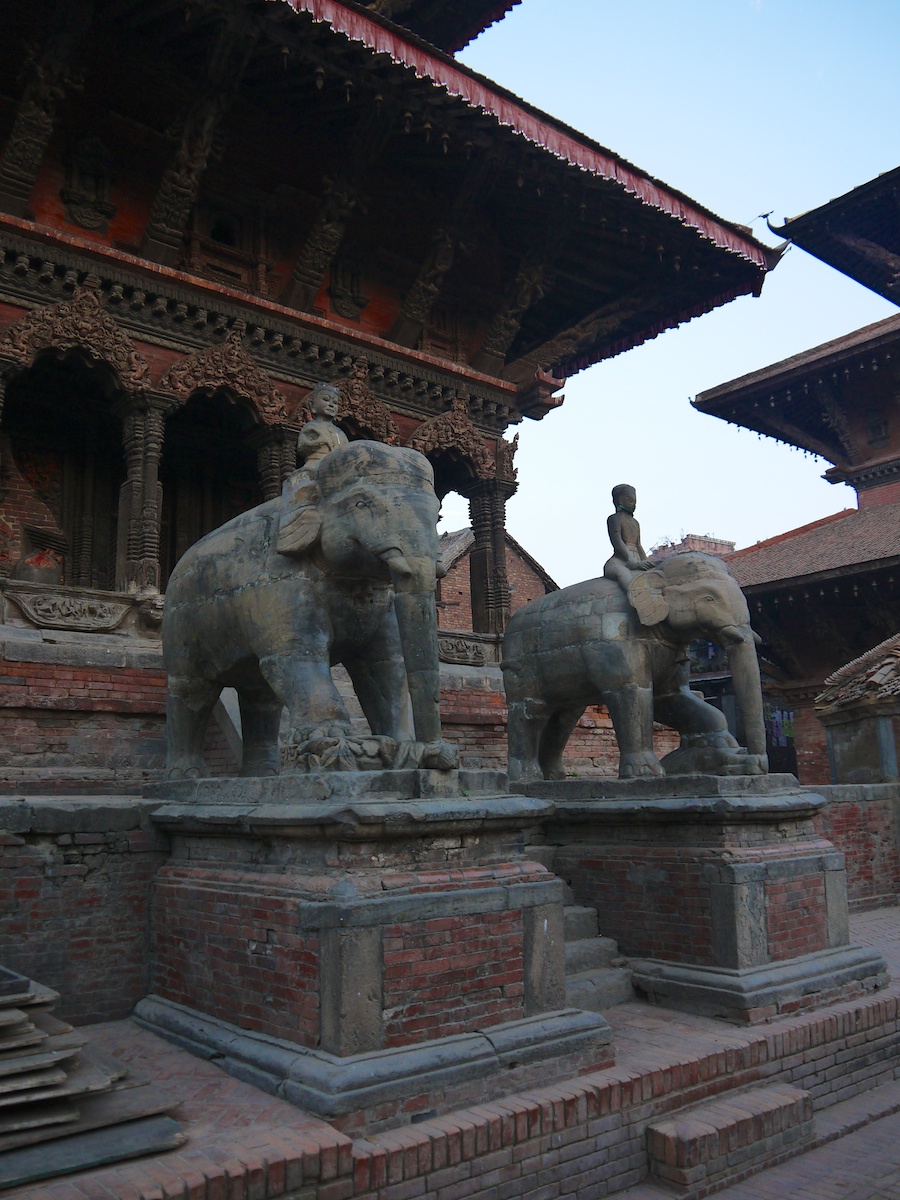
I was in awe of these ancient buildings and monuments. The central part of Patan, called Durbar Square, is a UNESCO World Heritage site and you can certainly see why. These photos do not begin to show the beauty and the immense feel these structures create. Its beginnings date back to the third century BC.
Officially Nepal is a Hindu country, but you see Hindu and Buddhist beliefs intertwined. I found this particularly interesting about the country. Even the temples and their monuments and statures are a mixture of both. Religion defines art, culture, and the ritual of daily life there. “Religion in Nepal comprises a net of magical, mystical, and spiritual beliefs with a multitude of gods reflecting the diverse facets of Nepalese life.“ I read this line and felt it described Kathmandu perfectly.
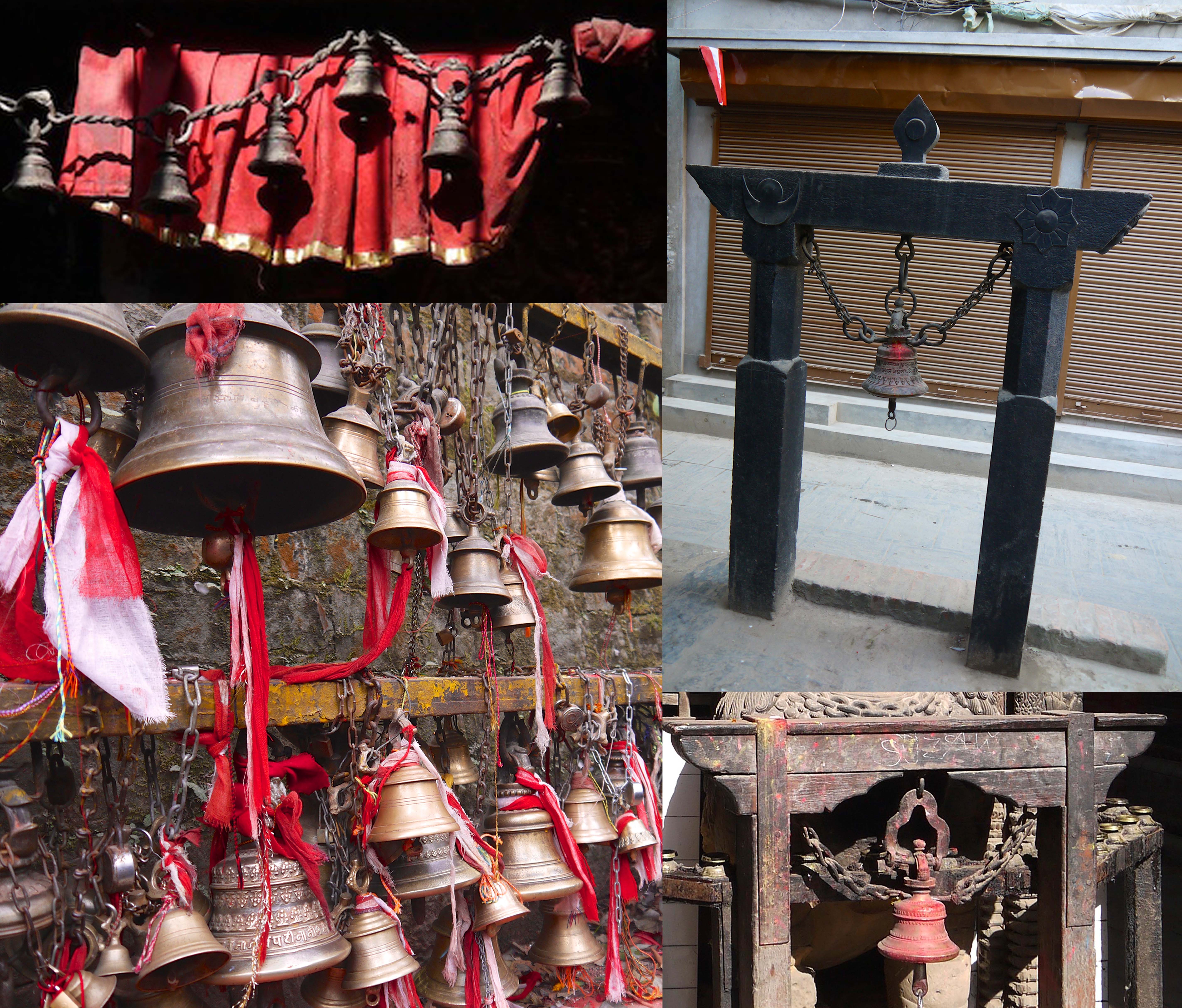
People ring bells at the temples from early in the morning until late at night to wake up the gods. They also light candles and leave offerings. You can hear bells throughout the entire city…. even when you wake up!
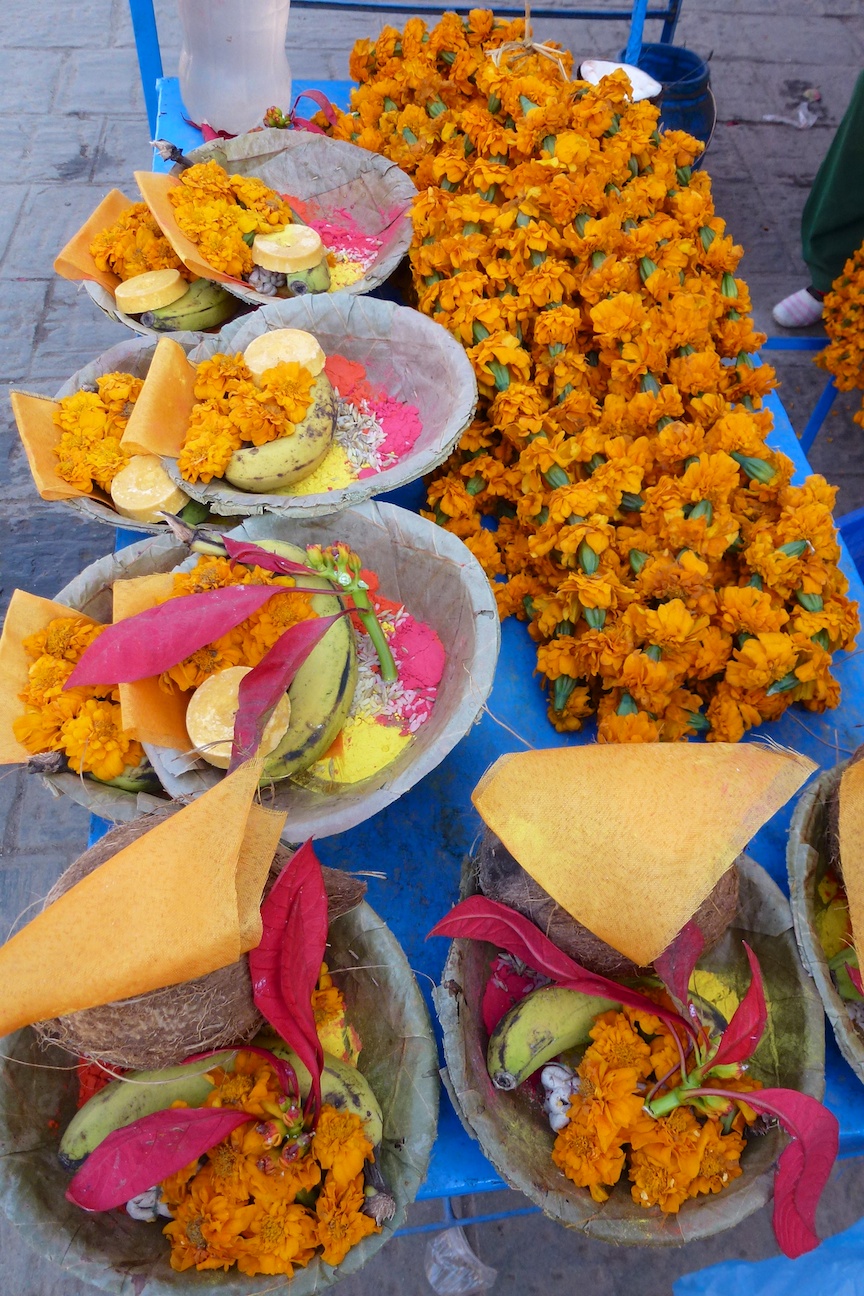
Offerings for the Gods… notice the poinsettia leaves. They grow wild throughout the country.
Kathmandu, built in 723 AD, is the largest city and capital of Nepal. It is a landlocked country bordered by China in the north and India in the south, east and west. It is one of the poorest and least developed countries in the world.
This was a biggy for me, Nepal was my 50th country! Notice the layers of clothing I am wearing? Nepal does have a winter and the temperatures were in the mid to upper 60's during the day and colder at night. We enjoyed the cool weather!
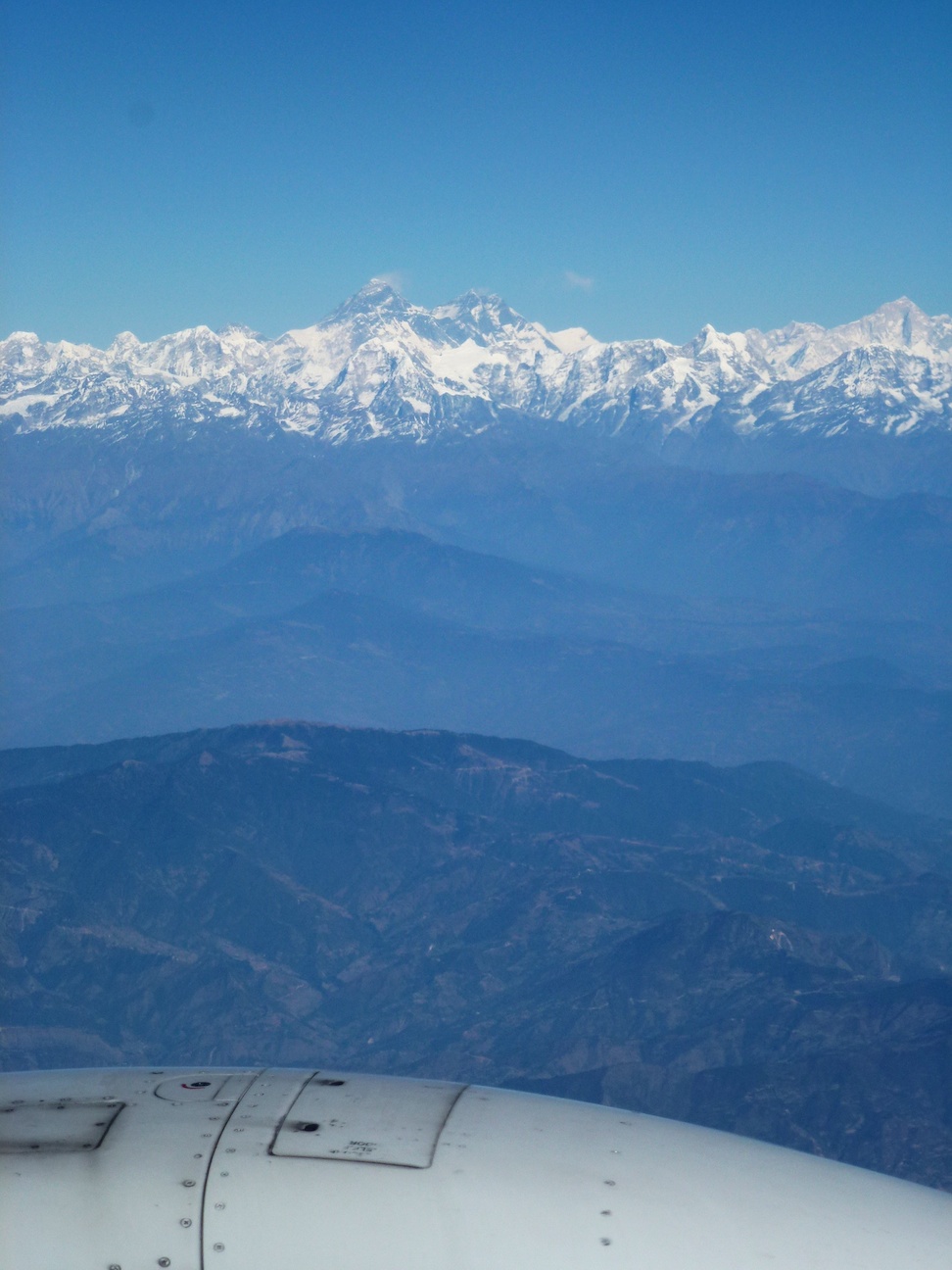
Mount Everest, the highest peak in the world, is on the Nepal-China border. We had a great view of Mt Everest as we flew into the city… on D's birthday! D was quite excited about this.
We were also there for Christmas and had one Santa (and his brother) sighting. There were only a handful of Christmas decorations, which makes sense with only 1.4 percent of the population being Christian.
These little girls were excited to wish us a Merry Christmas and show us the Santa images on their faces. Cute. When we were walking around on Christmas day, several people would say Merry Christmas to us. There were very few westerns visiting at this time so we did stand out.
On the first day we realized that there was much to learn about this fascinating county and culture, so we hired a guide for two more days. One of the first places we visited was the Pashupatinath Temple, the oldest Hindu temple in Kathmandu dating back to 400 A.D. It is dedicated to a manifestation of Shiva called Pashupati (Lord of Animals).
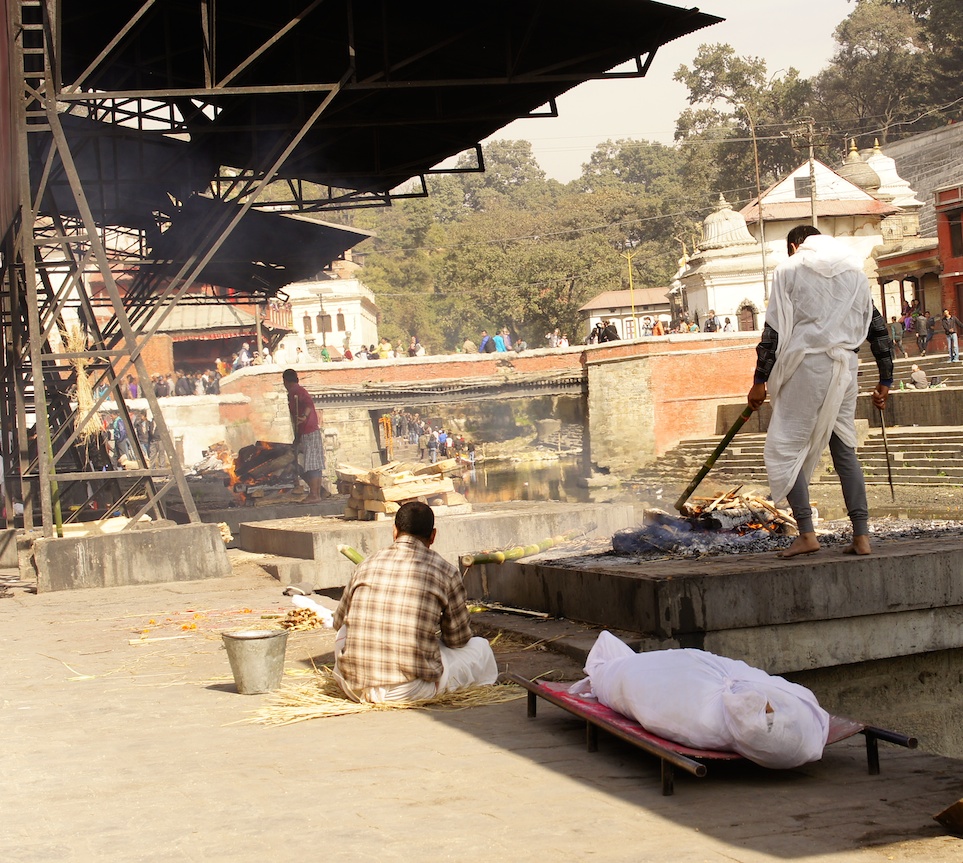
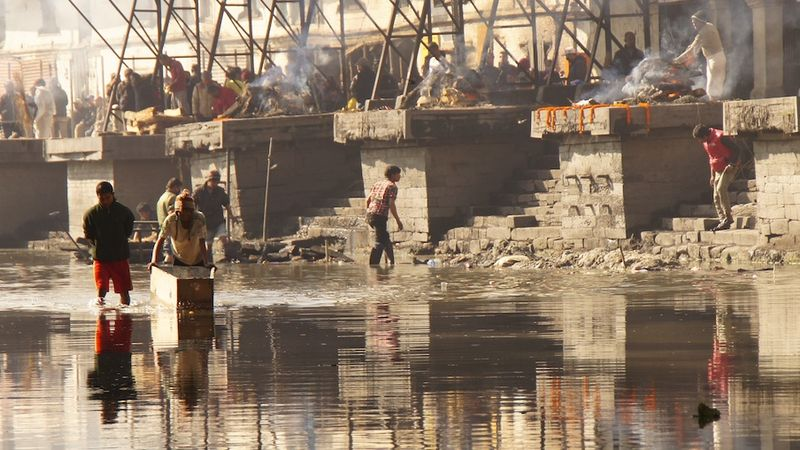
As non-Hindus, we were not allowed in the main temple, but there is so much to see all around the temple. The most interesting part is the cremations, which are in the open and you can see the entire process very vividly. In the photo above, you can see several pyres where they burn the bodies. You can walk right next to the pyres and the bodies laying in preparation.
Did we watch a cremation? Yes. It was like a National Geographic special. In the photo below, we sat on the left-hand steps close to the water and the cremation was directly across from us.
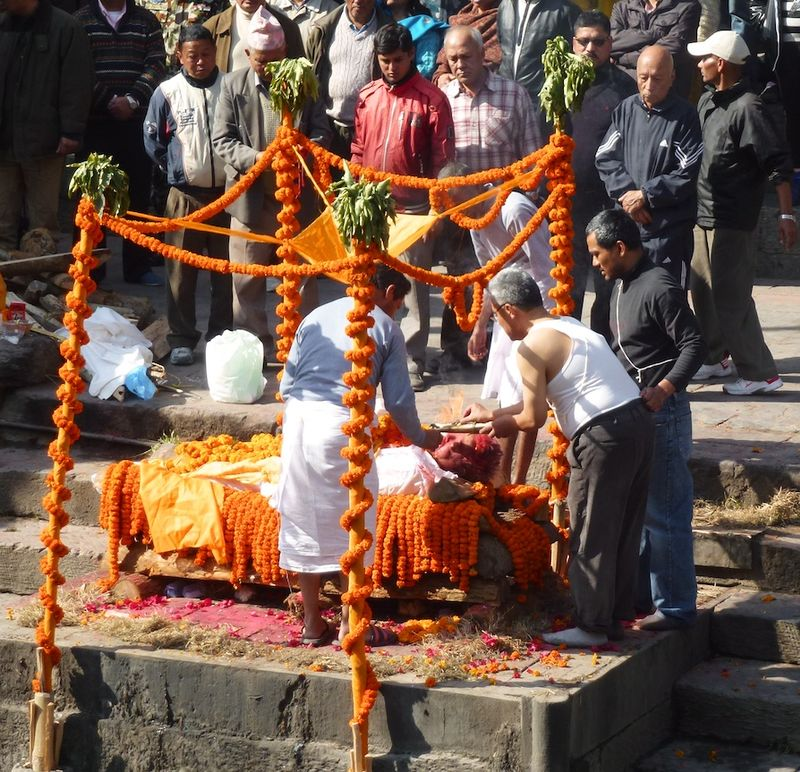
It was an elaborate cremation as it was for a retired army general. He was laid on a special bed of orange marigolds. The male family members bathed and shaved their heads for the ceremony and wore all white. The oldest son builds and lights the fire. The area where the deceased man was burned is reserved for the royal family and very important people only. We were happy we had a guide, as there was so much for him to explain.
Am I glad I did it? Yes. But it was mentally and emotionally draining. I cried. Our guide told me not to cry, that death is viewed as a natural aspect of life and eventually we all must die. In the Hindu religion they believe in the cyclical reincarnation of the soul. We have some VERY graphic images of the body burning, too harsh for the blog. The one below is borderline.
The temple is on the Bagmati River which, is said to have highly sacred properties. When a family member dies, they are wrapped and carried by family members to the river. Family members will put the body in the water prior to the cremation. Below, they are preparing a body on the steps going into the river. We did not see any deceased bodies placed into the river.
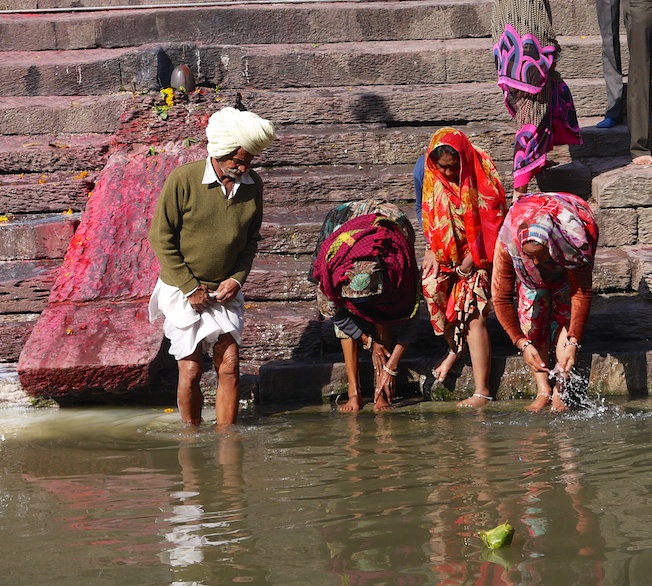
You will see people walking in the river, putting the water on their face, even drinking it – the SAME water where the cremations occur. And just down stream where the cremations take place, people wash their clothes.
People also wade through the water looking for gold that may have fallen off of the bodies. You can see two men below pushing a casket through the water. I have to admit, this was one of the most bazaar experiences we have ever witnessed.
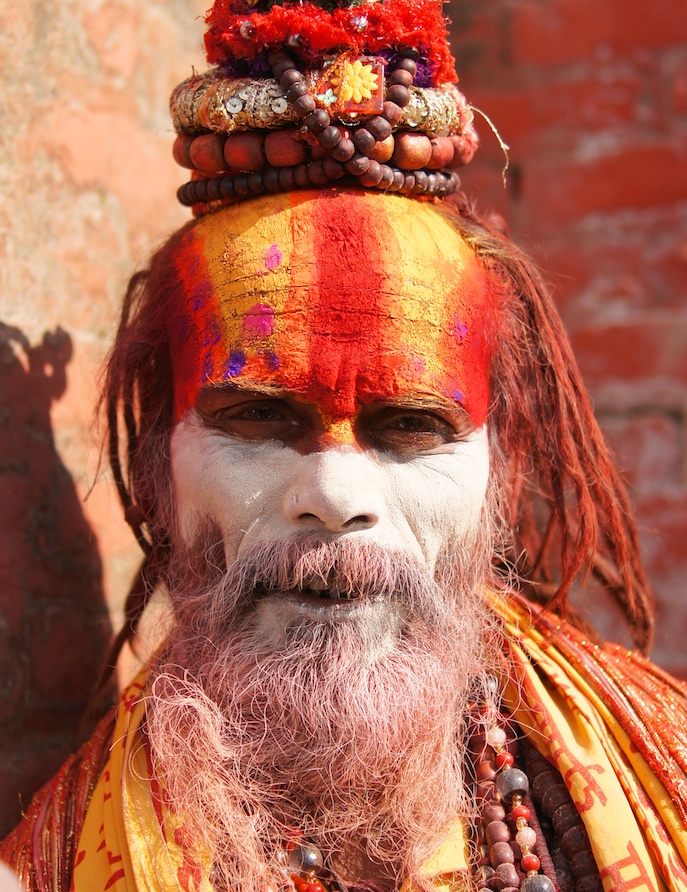
We also saw many Sadhu (Hindu wandering holy men) at the temple.
Again, it was nice to have a guide so we could talk to the Sadhu. They are not like monks in that you are allowed to talk to the Sadhus.
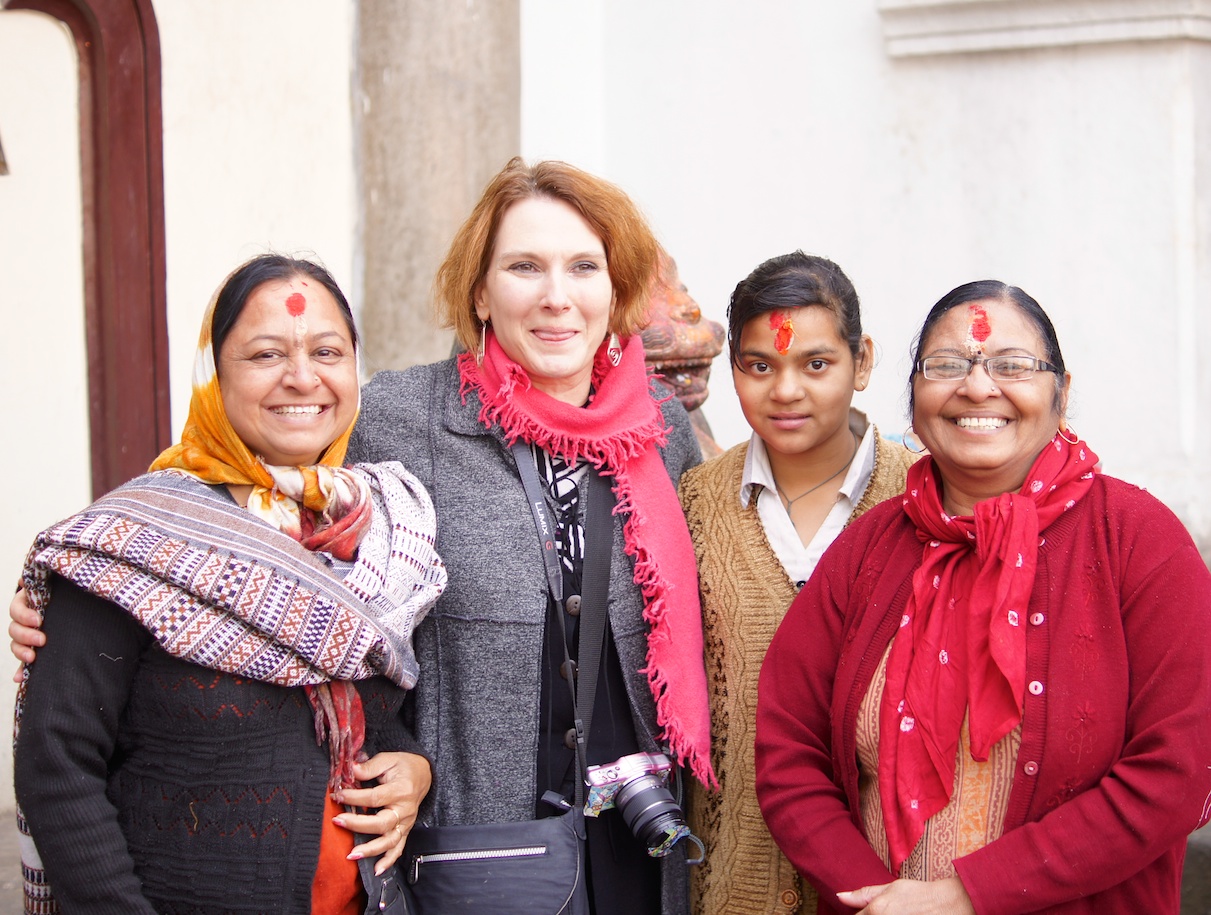
There was a group of Indian women who asked to have their photo taken with me; and as a thank you, the one women offered us a blessing. She had holy water from the Ganges in India, the Bagmati (where we were), as well as a few other holy sites.
She showed us how to put it on our heads…. yes, water from the cremations. We accepted to be polite. How bad could it really be? People were drinking it! I felt honored she wanted to share it with us as she did not have much. Our guide told us they believe in karma and if she gave to us, good would come back to her.
Later that day we visited the Bodhnath Stupa, which is a UNESCO World Heritage Site. It was built during the 5th century AD and is the largest stupa in Nepal and one of the largest in the world. In the late afternoon, locals come to the stupa to spin prayer wheels, which are believed to accumulate wisdom and good karma, and ward off negativity. You must walk clockwise around the stupa (actually all stupas and temples in Nepal).
We celebrated our 25th wedding anniversary while we were in Nepal. What did we do on our special day? We went to Dakshinkali Temple (or Dakshin Kali Temple)to see animal sacrifices. Isn't this what everyone does on their wedding anniversary? Dakshinkali is a 15-minute drive from Kathmandu. The morning drive was very cloudy but it provided some breathtaking views of the valley.
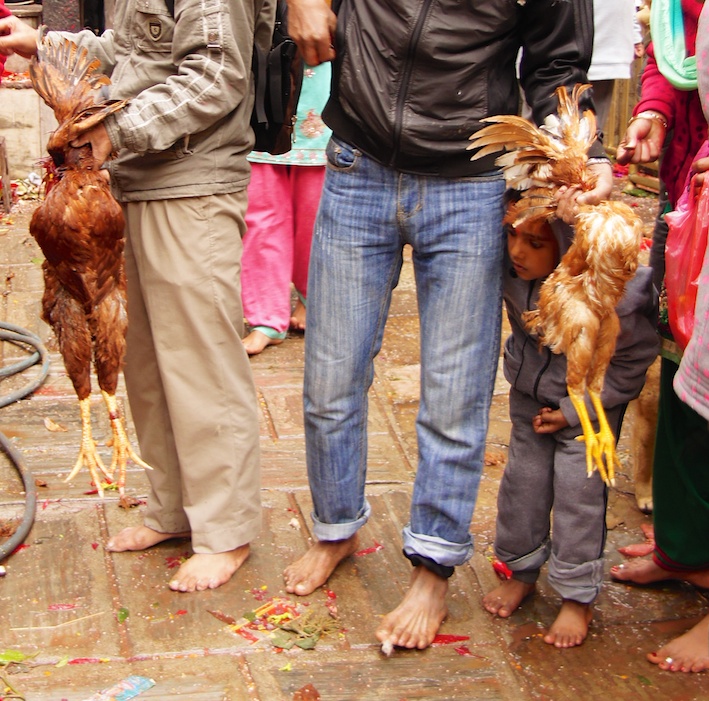
On Saturdays, Nepalese families travel to this Hindu temple to perform animal sacrifices, mainly chickens and goats, in front of the statue of Kali. In presenting a sacrifice, it is done to ask for good luck or healing – for instance if a wedding is coming up or you have a sick relative you would sacrifice an animal.
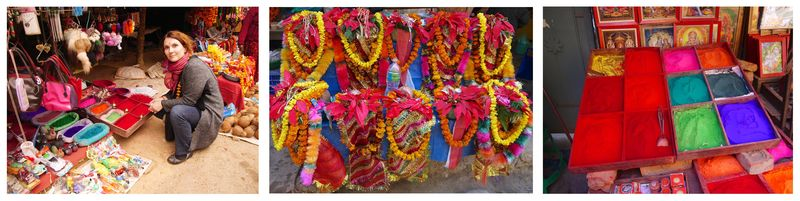
As you walk towards the temple, there are vendors selling everything from chickens, to paint pigments, to toys to flowers for offerings.
We received our own little blessing from a Sadhu. He gave us a yarn bracelet, a marigold necklace, and put a tikā/teeka (a mixture of a red powder, yogurt, and grains of rice) on our forehead . It is applied with the thumb, in a single upward stroke. This temple was NOT for tourists – it was real.
Once you get up to the temple, you have to wait in a long line to make the sacrifice. I am pretty sure this happy little girl had no idea what was going go happen to her goat! Since we were not sacrificing an animal, we did not have to wait in line.
This is the temple where the sacrifice is done. We were not permitted to go past the gold gate, but we did walk up to it for a better view. And yes we did see several sacrifices. Each one was quick and clean.
Below are a few chickens that have already been sacrificed. Notice how everyone is barefoot, walking in the blood from the animals.
A stop at the butcher is the next step in the process. The butcher completely cleans the chicken and gets it ready for you to cook. It was actually quite clean.
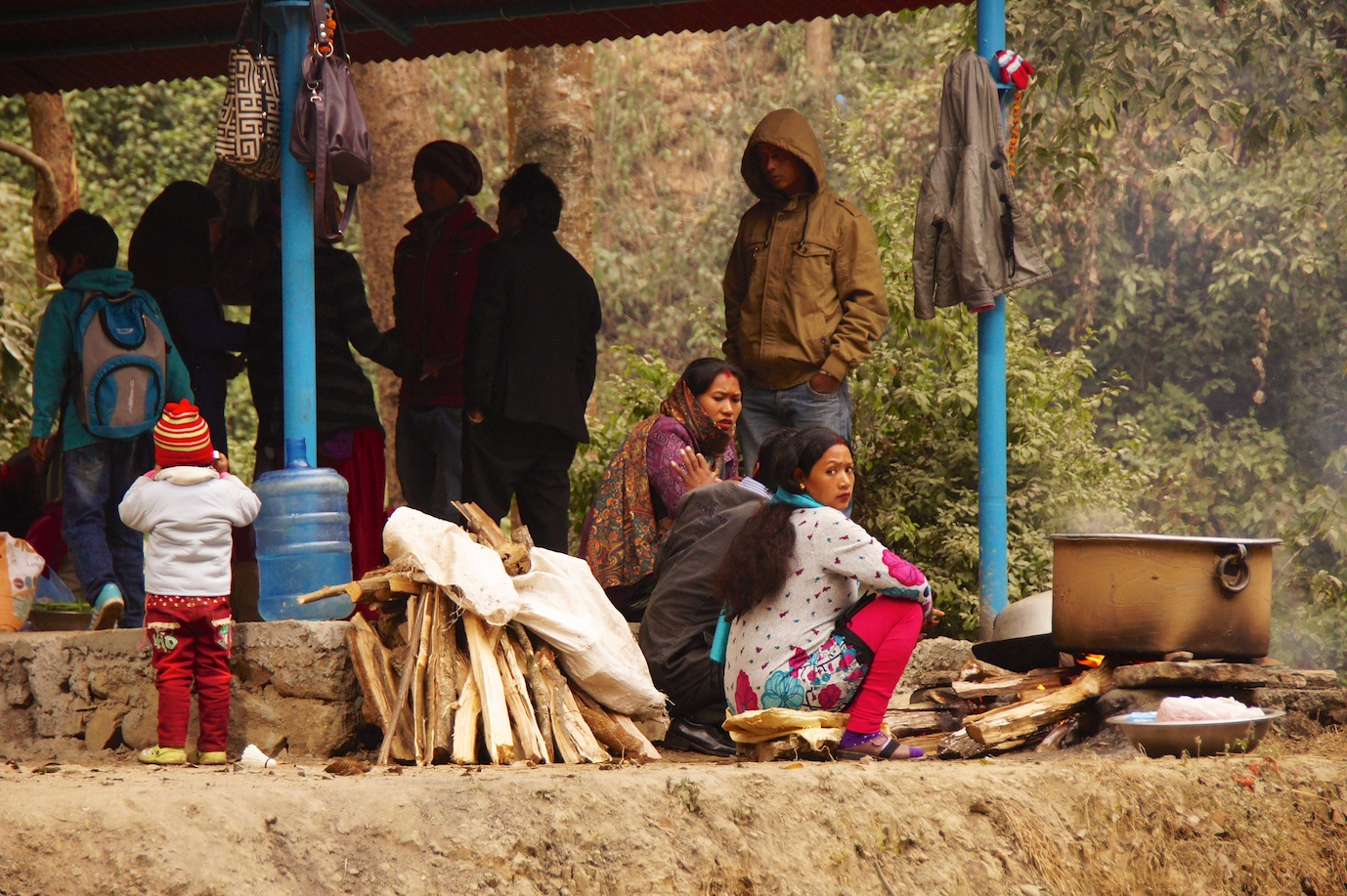
Then time to cook and eat it. There is a large amount of land around the temple and people set up and cook what they sacrifice and have a party. It is a big family event. That's a big pot below. Must have been a goat. 🙂
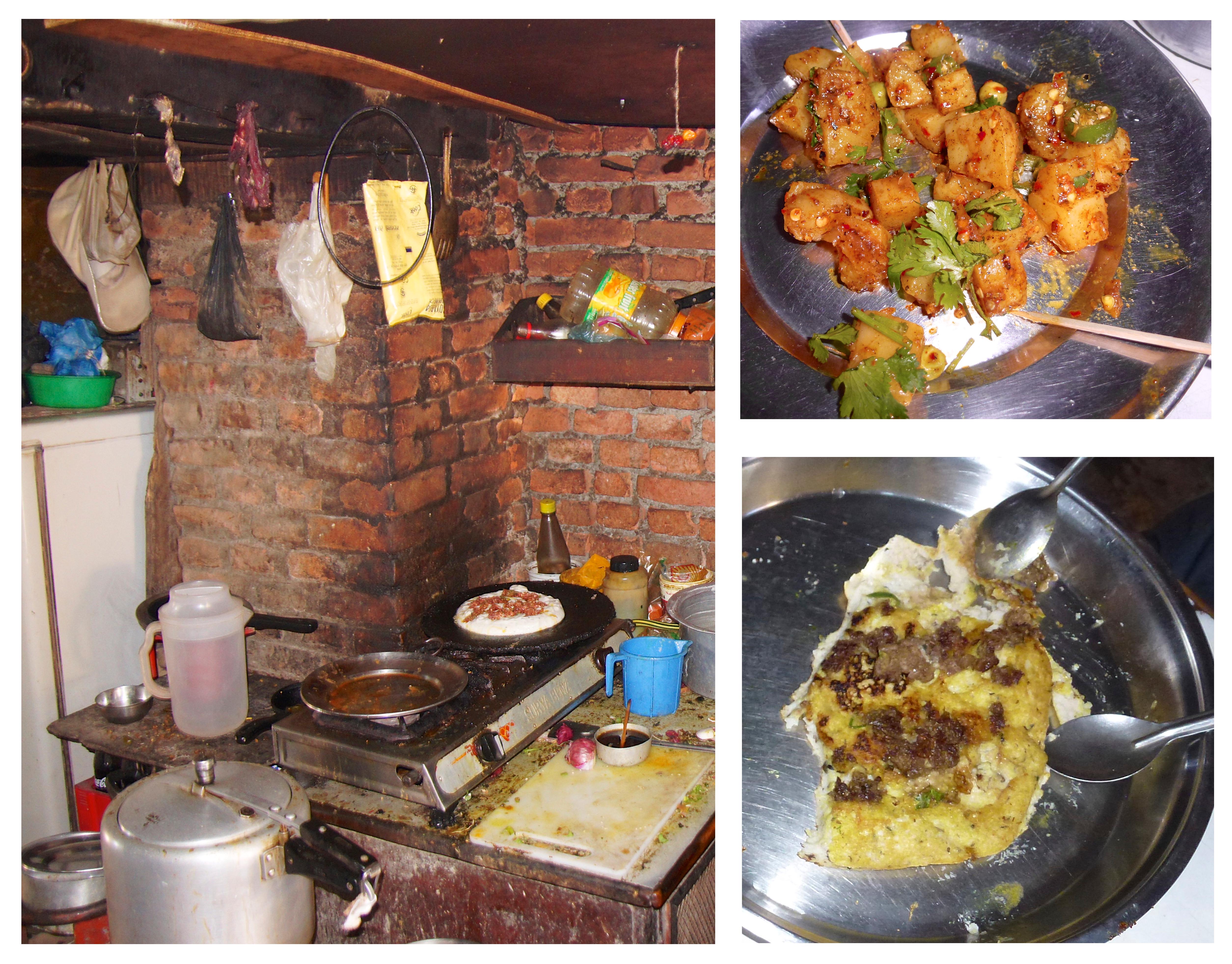
After this we went for our "anniversary lunch" – nothing but the best for me. We were with the guide, otherwise we would have never known this place was a restaurant – and I use the term "restaurant" loosely. And, I am pretty sure very few tourists have eaten here.
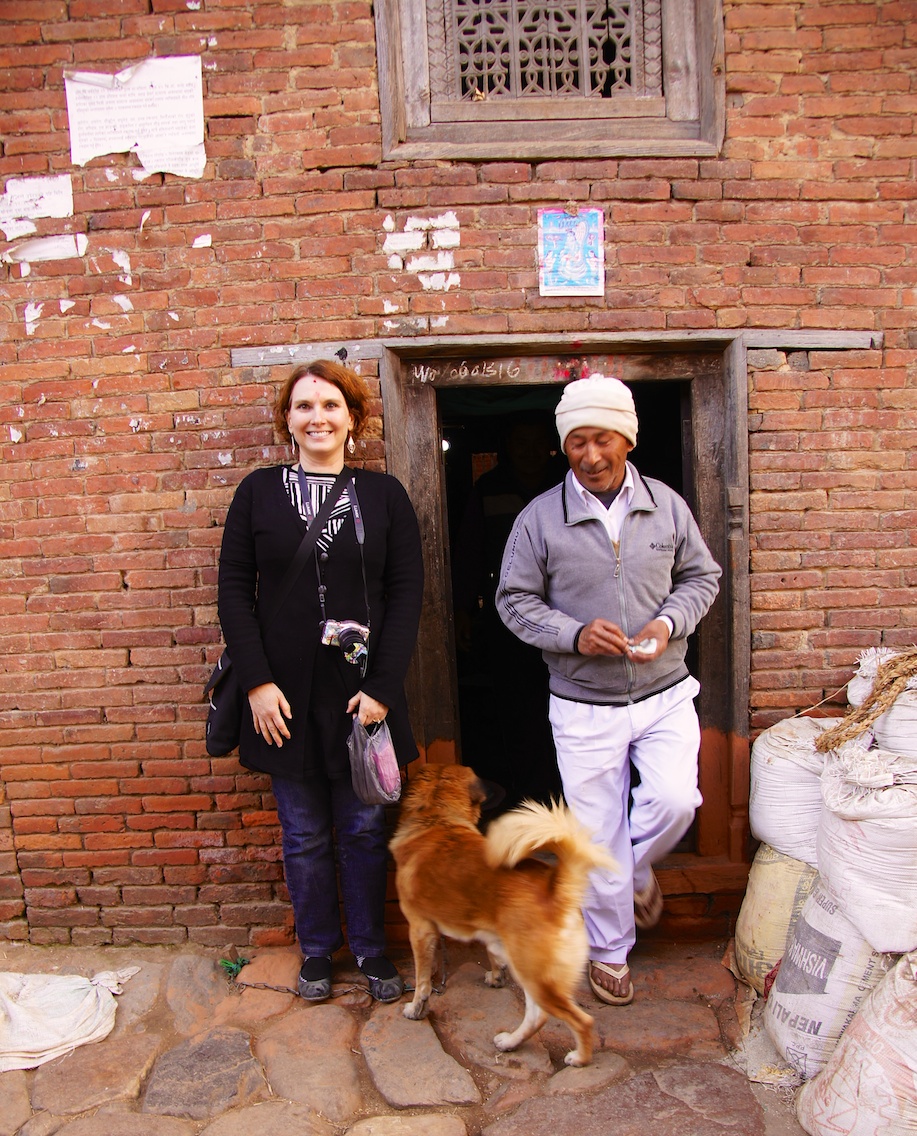
Me with the local Nepalese men – they were quite amused with us.
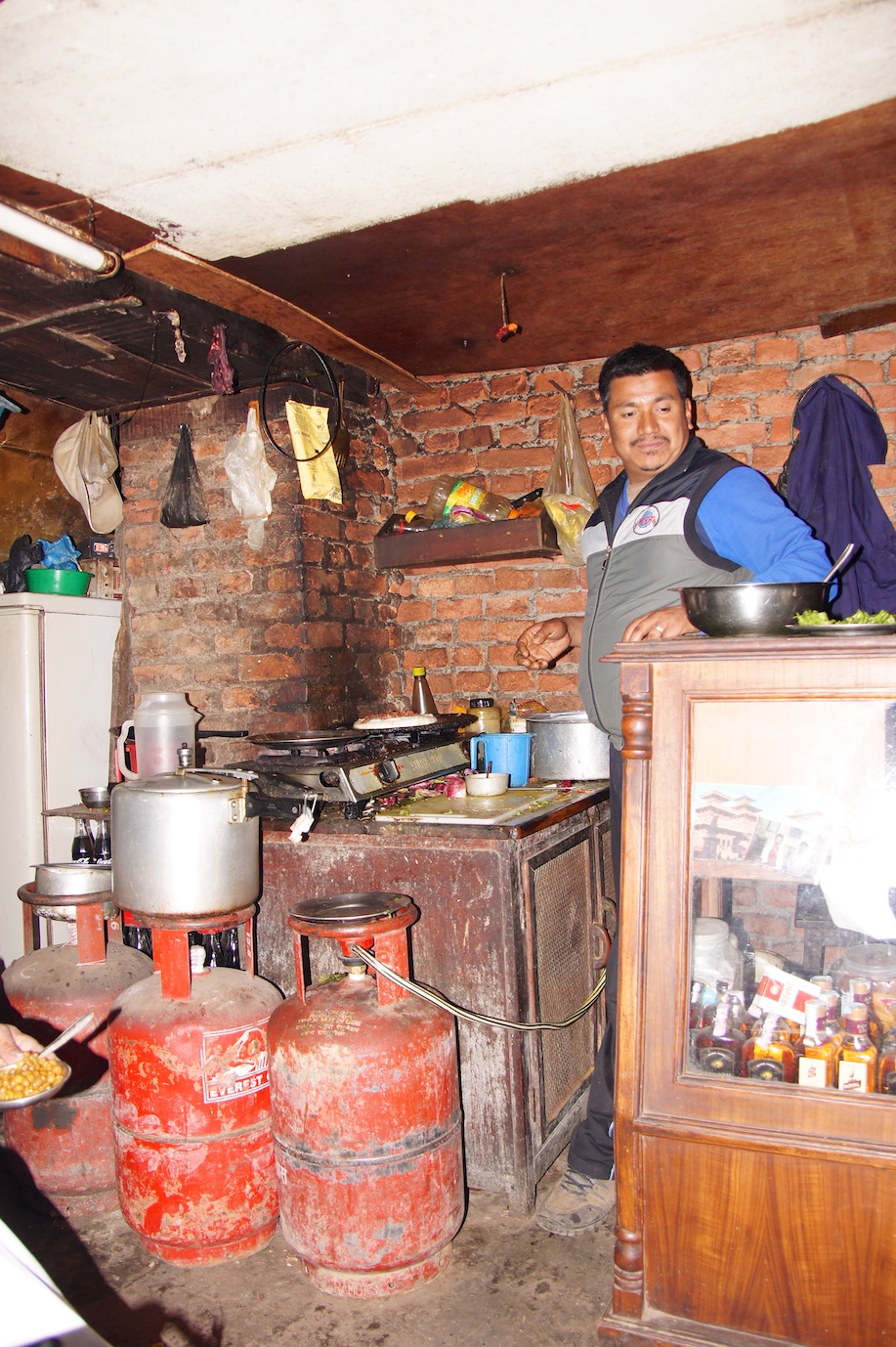
The kitchen was directly across from our table. Not sure if this was a good or bad thing.
I ate the potatoes but refused the buffalo meat. I put D on quarantine after he ate the buffalo pancake and drank the rice wine – I would not eat/drink after him for weeks! I was convinced he would get sick, but he did not!
In the back room of the "restaurant" a young girl was pounding grain into paste that was used in the buffalo dish above. There was also a young man around 10 years old bathing…. he had on underwear. I so wish I had a photo to share with you. You know we eat at a lot of questionable places, but I have to admit… I was actually afraid of this one!
Our adventure continues…. our guide stopped to visit a friend and the gentleman invited us to have a drink in their apartment. How fun to see a local's home. We sat on their bed and they sat on the floor across from us. They served D rice wine and I took tea that I "pretended" to drink, as there is no running water in any of the towns and we saw the "well" where they get the water. I am especially cautious when it comes to water.
They also served us buffalo meat and a local recipe of pickled vegetables. They brought out one fork for 4 of us (including our guide). I refused, but D felt he had to eat to be polite. Not me. He was then on double quarantine. He was very lucky he did not get sick.
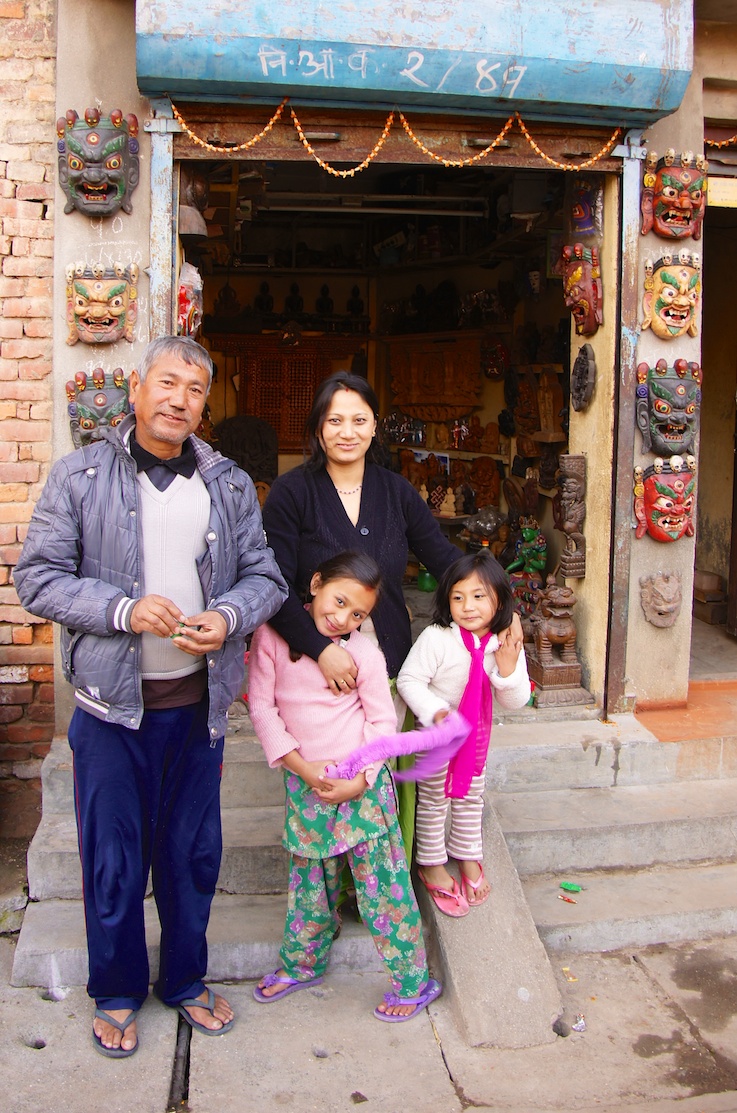
The whole family and me in front of their carved-wood store. We left as friends.
Temple, statues, and stupas
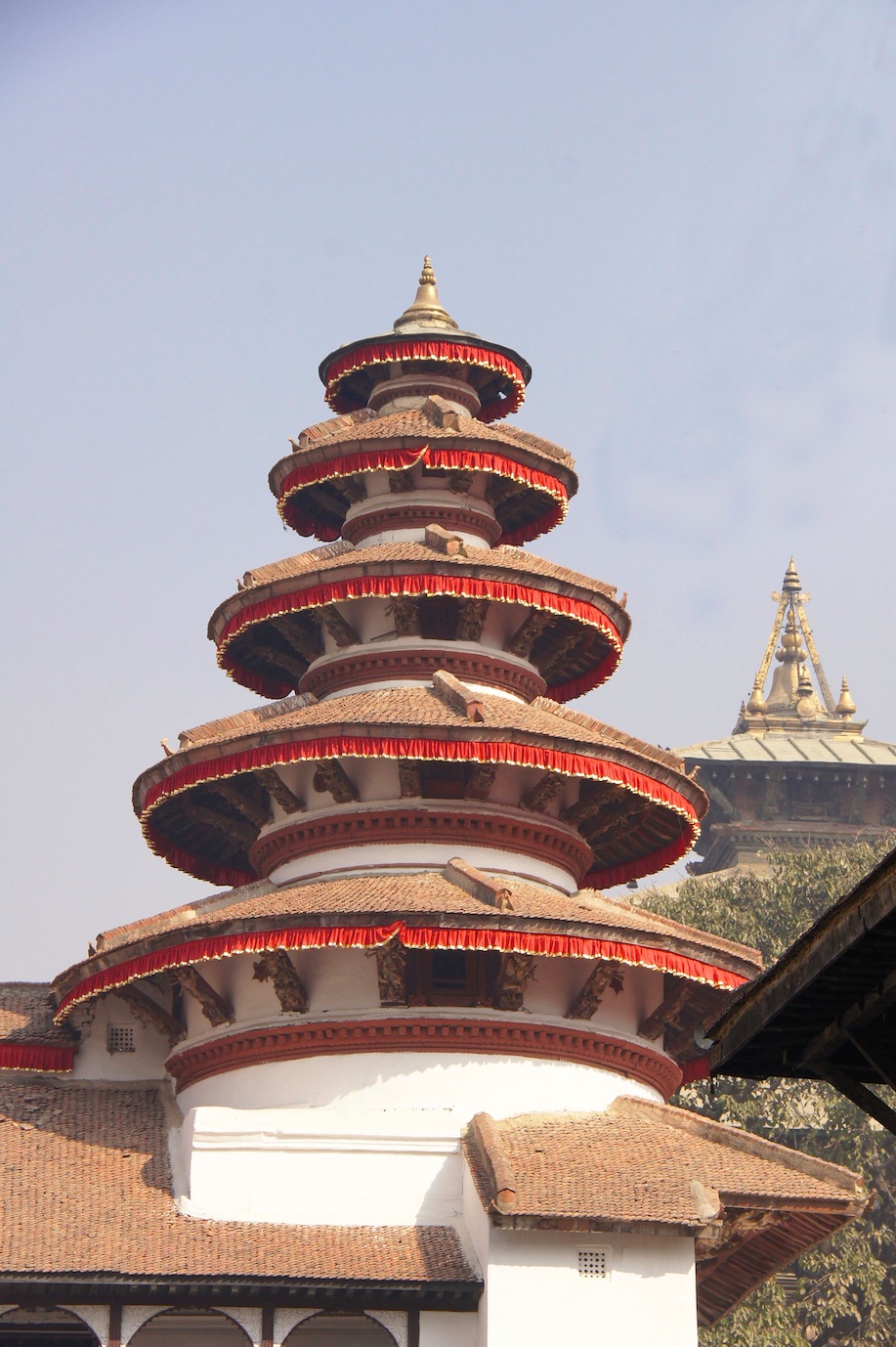
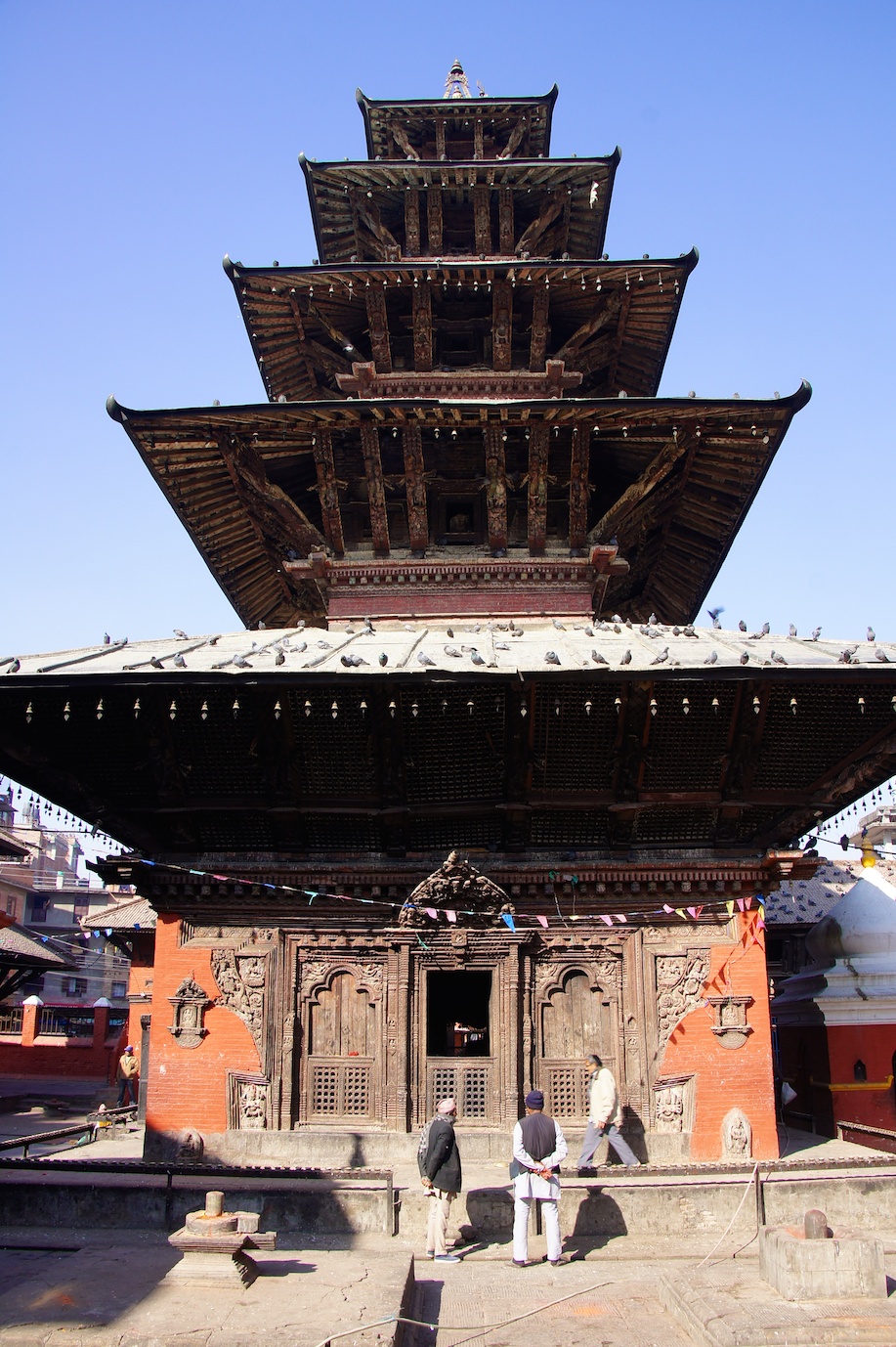
The city is full of religious art, temples, and monasteries. Every corner you turn has stunning temples and statues. We visited so many that I can't remember the names of each, but I still want to share them with you.
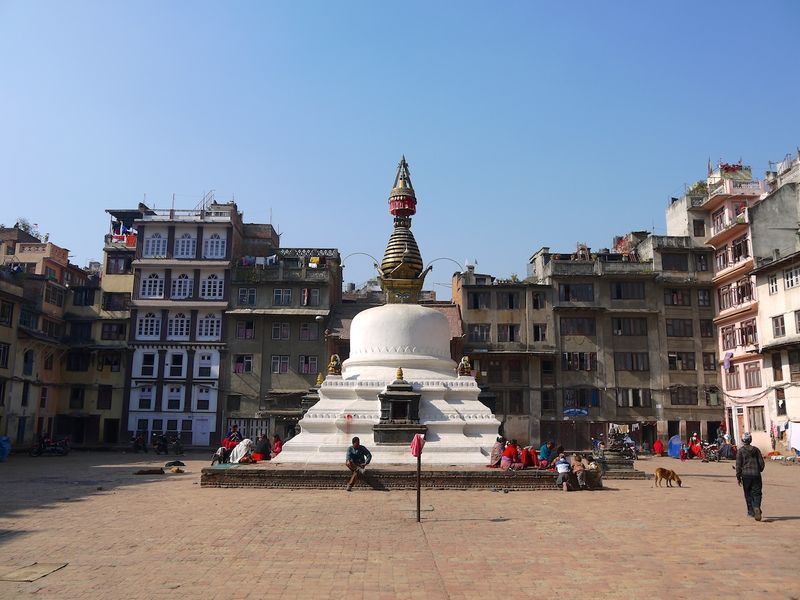
As we walked along the main streets, we could not tell that behind each cluster of apartments there was a courtyard with a stupa tucked behind them.
This one had treasures like what you might see in a museum. We had to walk down a narrow alleyway to get to them.
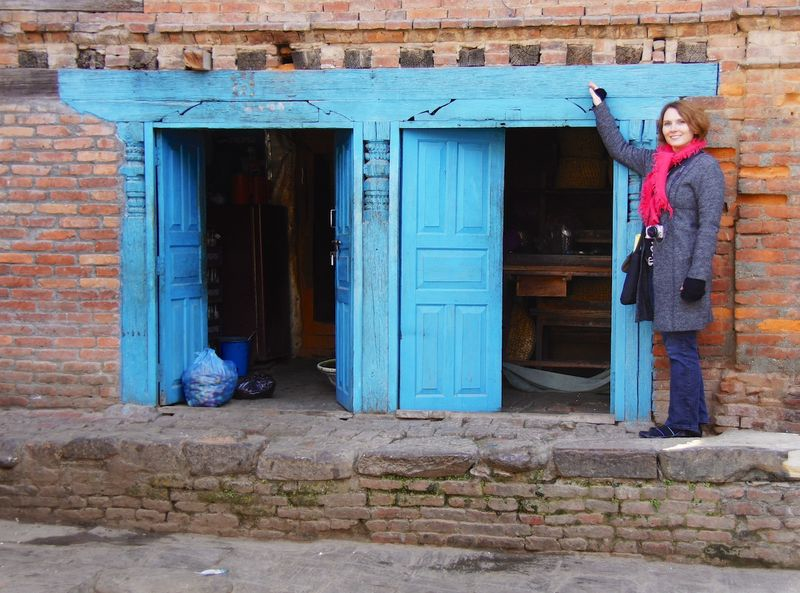
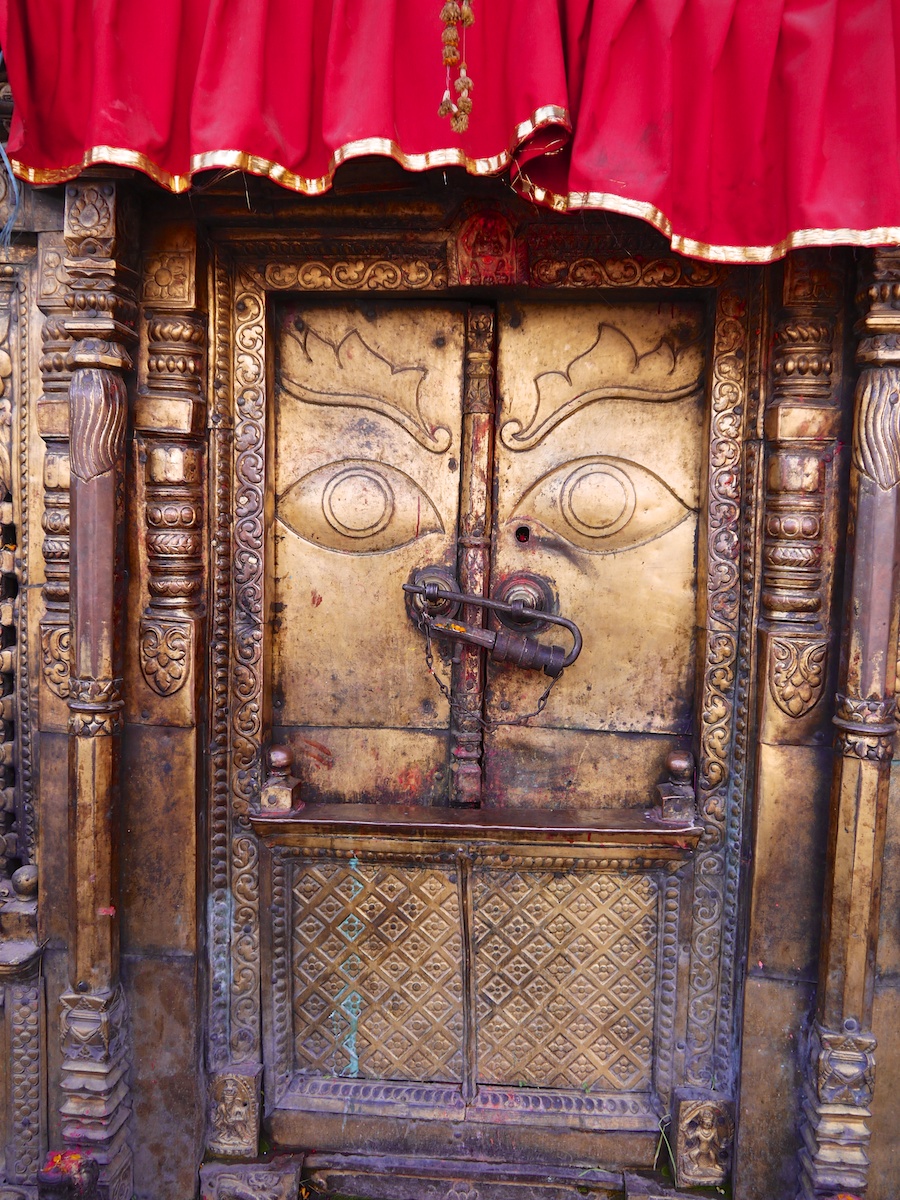
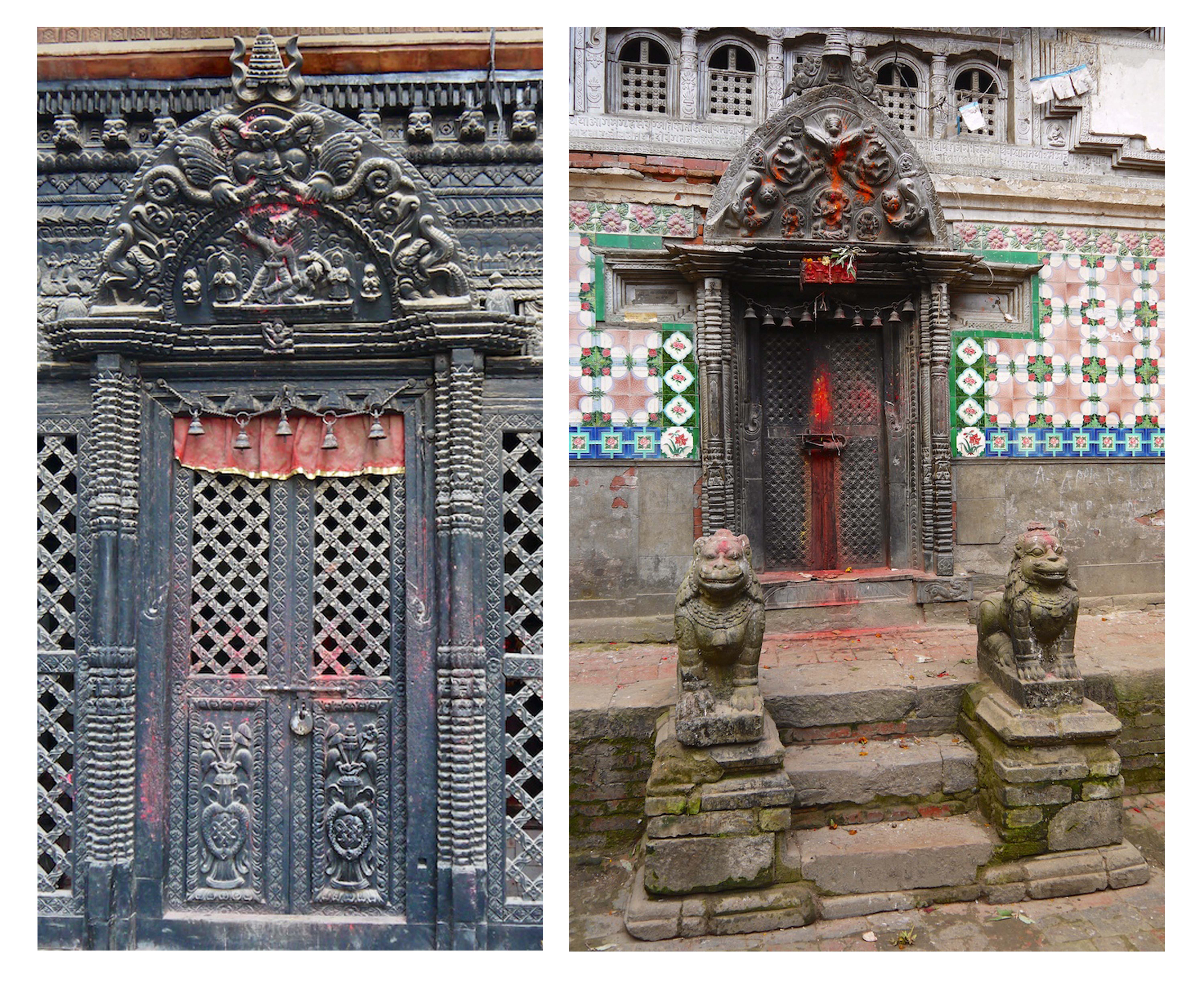
Doors
We loved the tiny, decorative doors in the narrow streets.
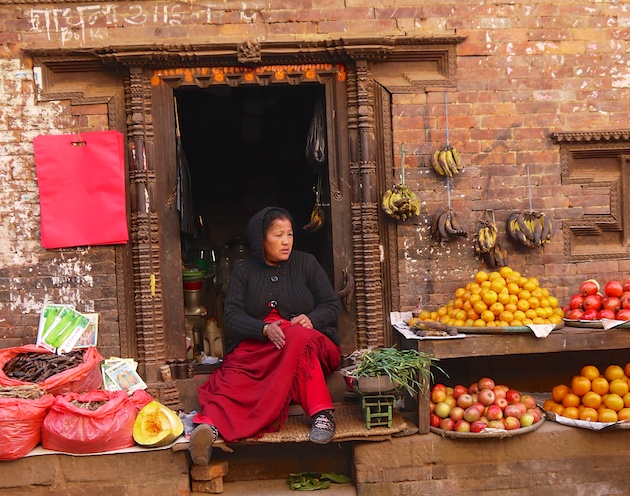
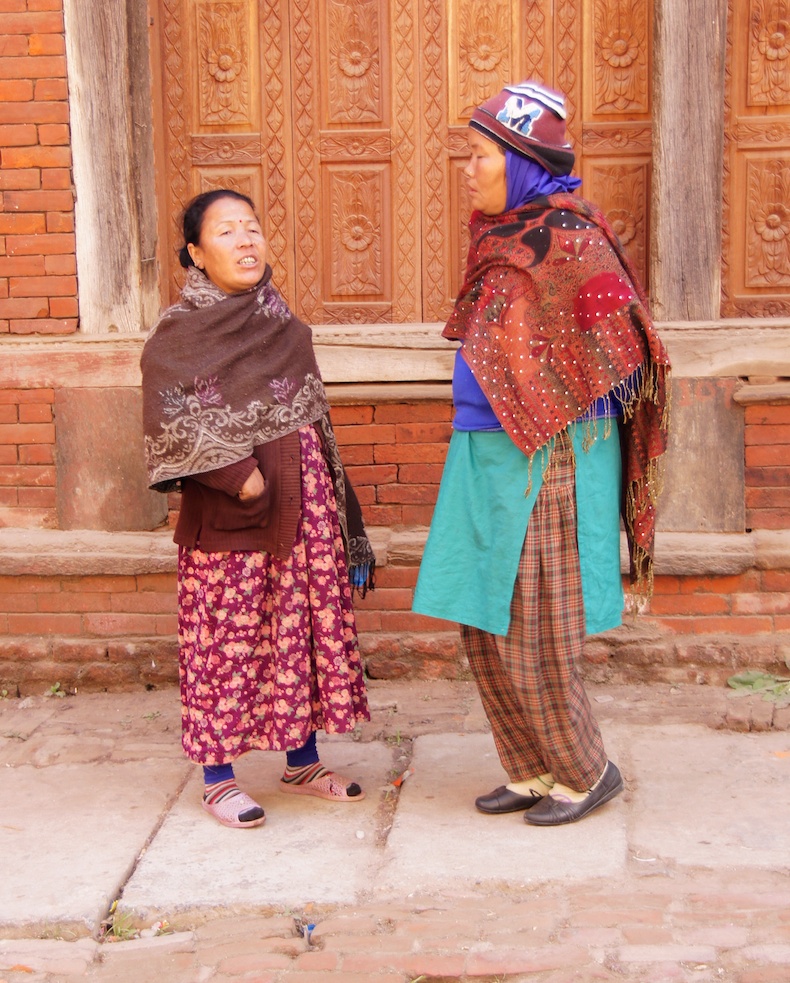
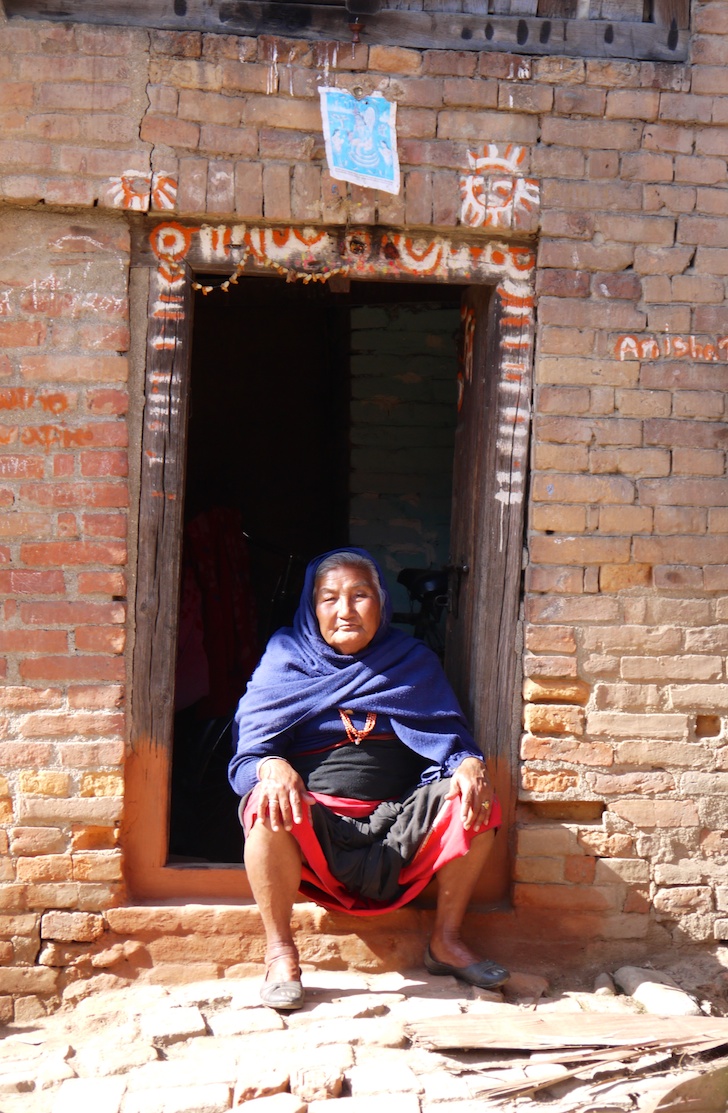
The people are so colorful, and many dressed in local costumes. This woman was very poor. I gave her money, which I normally avoid. I just loved the mixed fabrics, her diamond nose earring, and necklace. What stories she could tell!
There were many women sitting in the sun knitting in the small villages…
… and spinning cotton into yarn. These women are not just spinning for tourists, they make a living from the yarn they spin. There’s big business in the textile industry throughout the Kathmandu valley in Nepal today.
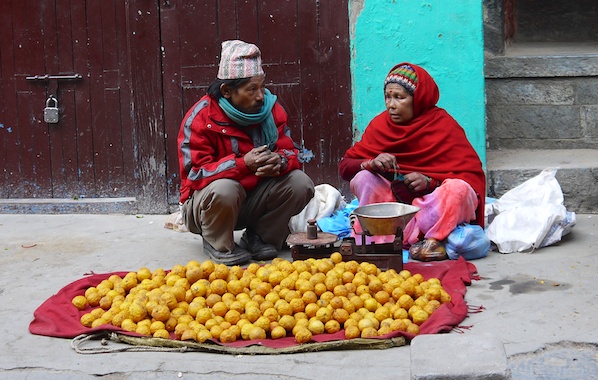
Even the simple street scenes are so colorful.
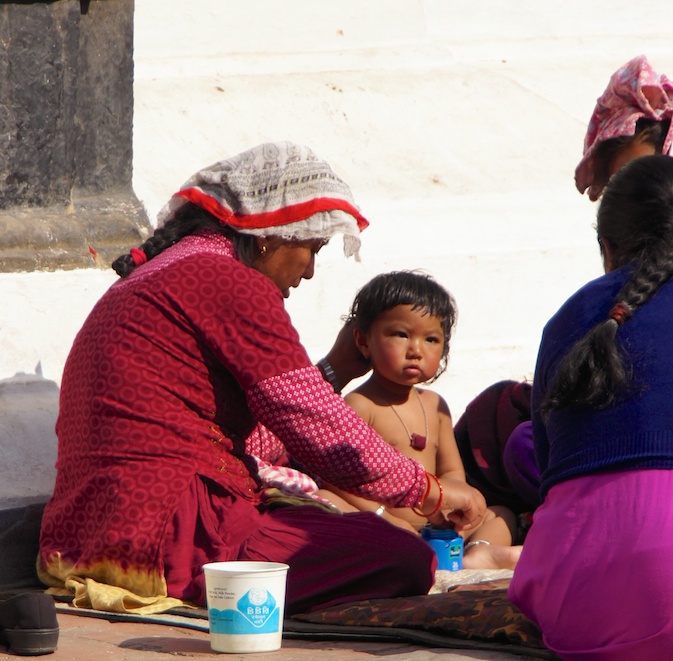
The infant below is only a few weeks old. It is customary for mothers to give new newborn babies "sun baths" where they keep them outside in the sun for hours. Oh my – I was cringing. I am a sun-block fanatic! Look how dark that baby is!
Because of the warmer days (upper 60s), there were many people out sunning. This group climbed on the roof. Even the toddler is up there.
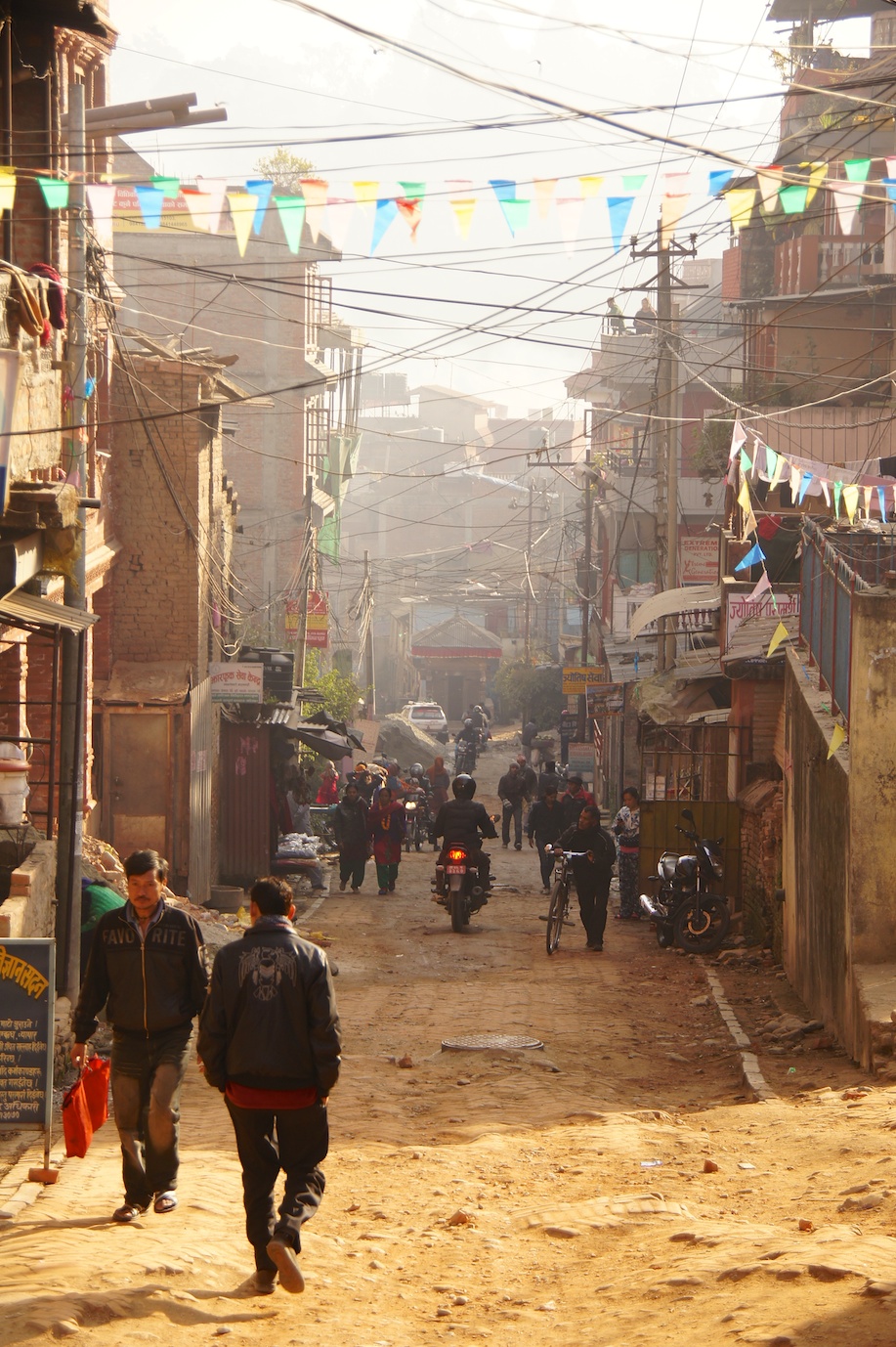
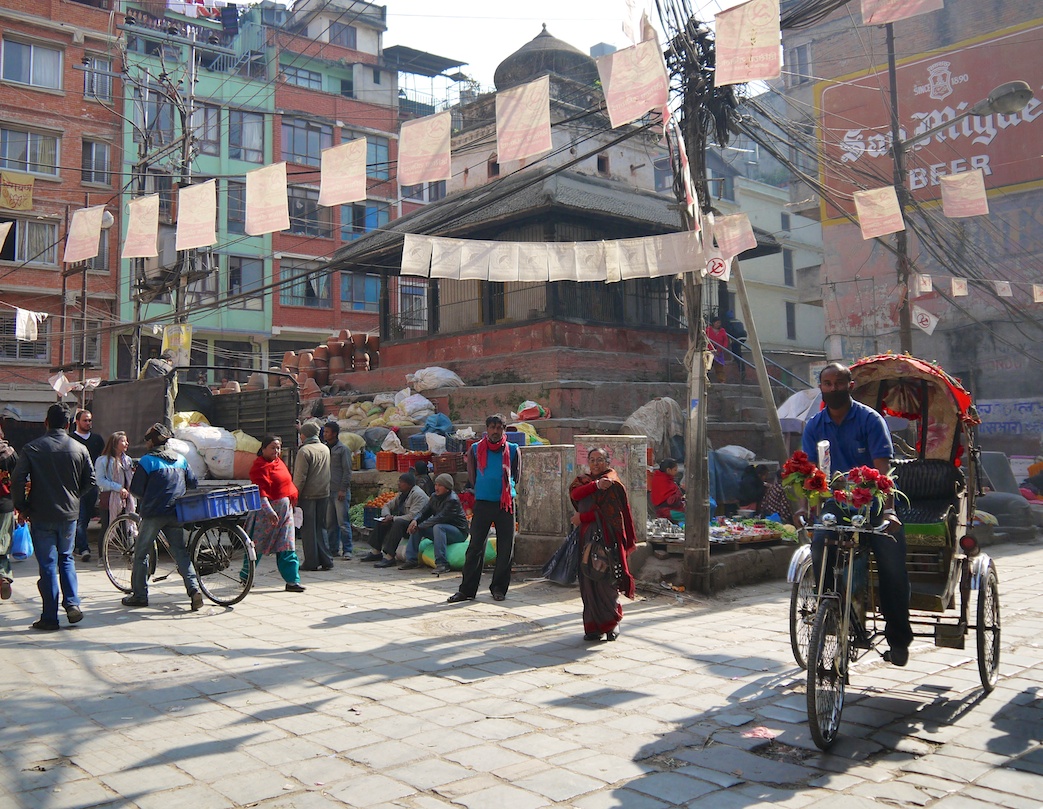
As I mentioned earlier, it is third-world country. Here are a few shots of typical city streets.
We visited a few old towns that were off the beaten path, Khokana and Chobar. Although I have to say, most all of Kathmandu is off the beaten path! In the smaller villages it felt like you stepped back in time 100 years. We kept saying it looked like something from a movie.
I love this photo – she is working away while he naps.
The community spends most of their days outside their houses.
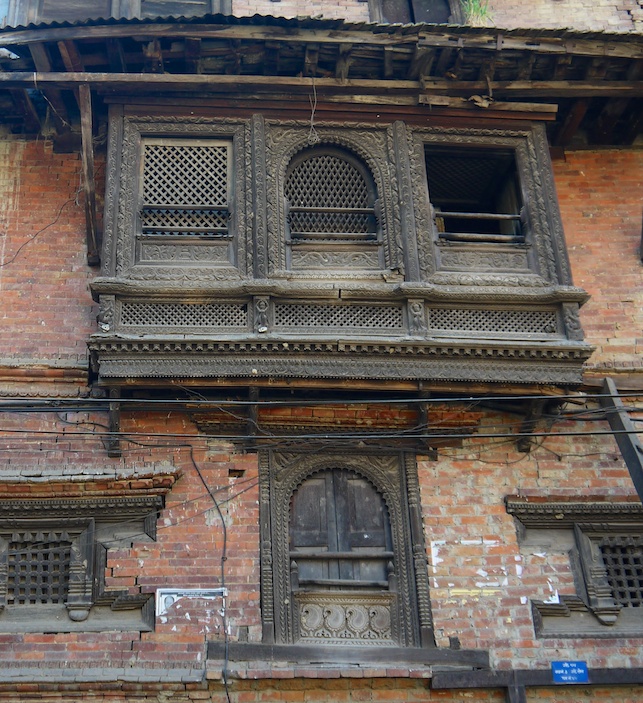
I thought the old wood windows were beautiful. They are referred to as Desay Madu Jhyā and date back more than a thousand years. The intricate carvings depict religious motifs, ritual objects, mythical beasts and birds.
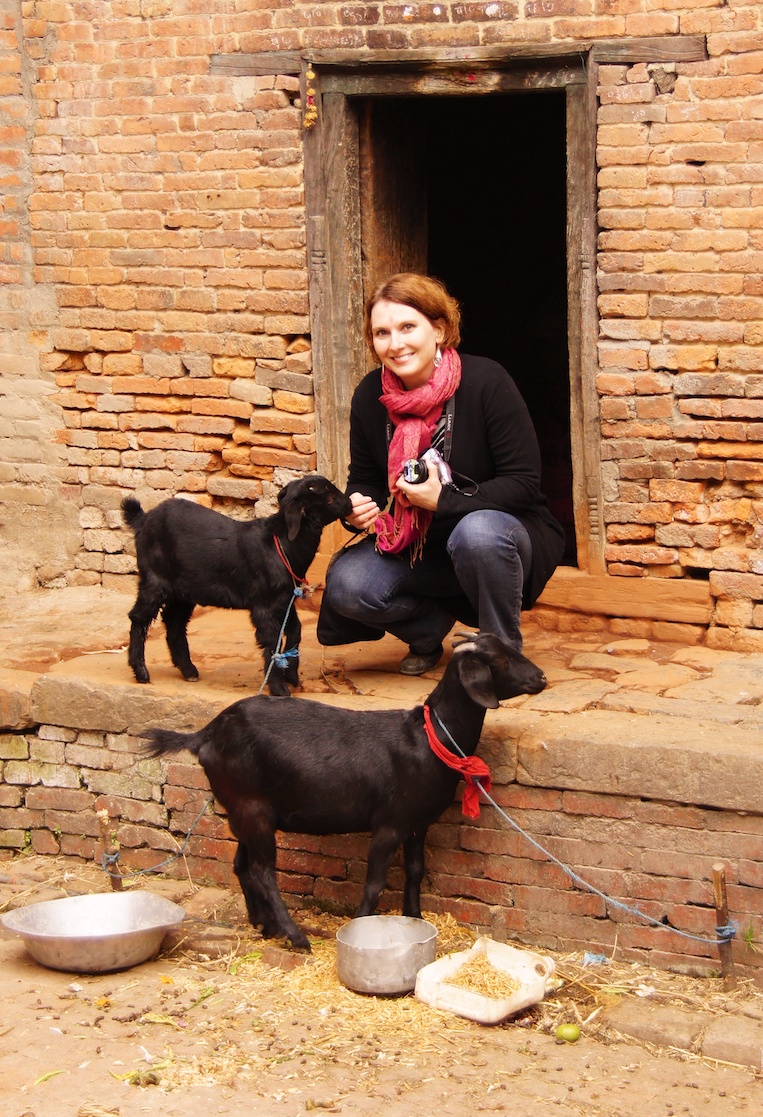
Cows are sacred in Nepal and it is illegal to kill them. You will see them wandering all over, even in the streets. It is considered good luck to feed them.
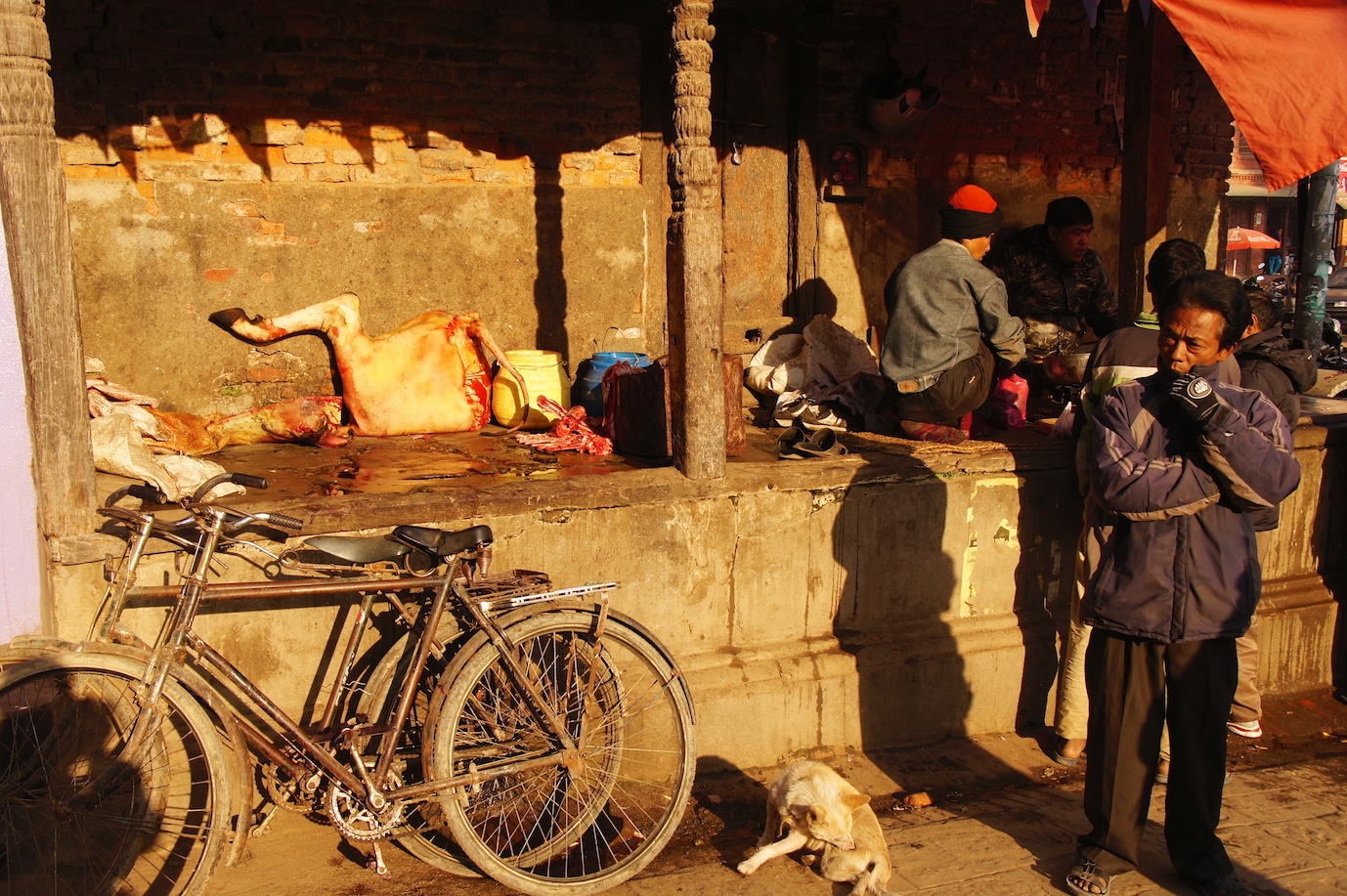
Nepalese do eat buffalo as being sold by the local butcher below. Really, this is a "butcher shop."
Water and electricity are scarce in Nepal. While we were there they had scheduled blackouts for electricity. Our hotel had no electicity from 7 am to 3 pm and 6 pm to 9 pm. They do not have plumbing in their homes so they go to a community well to get their water every day.
Below is a view of where the water comes from. If you look closely on the left you can see the water running from the wall. There are stations like this all over the city and as you can see, you have to wait in line, sometimes for hours; then carry the heavy pails/containers of water home. It is not an easy life.
They do a lot of their washing outside as well. A little one getting a bath in the sun…
a big one taking a bath…
and women doing their wash, all very common scenes. And remember, it was not that warm!
Children
Always sweet to photograph the children.
What a playground: a thousand-year-old monument!
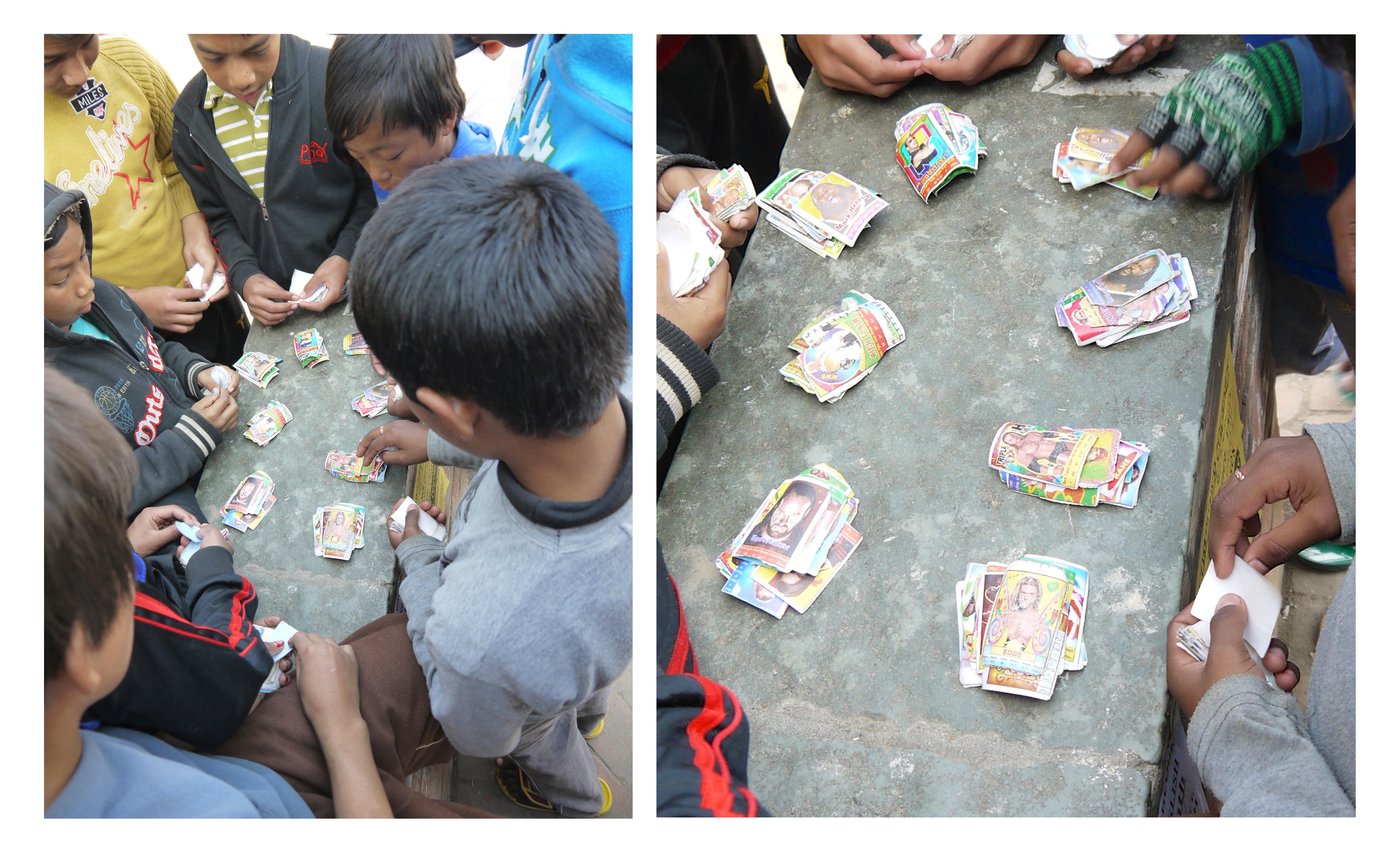
The kids were playing a game swapping cards. Not sure if you can tell, but the cards are American wrestlers. Pro Wrestling cards were collected by all the boys we met.
Must be a good story he just told she is watching him with such intent.
This little girl was so cute. She just kept repeating Namaste, Namaste, Namaste and placing her hands in a prayer pose, and giggling. I kept saying it back to her.
If you have read this far, thank you! If you are enjoying Kathmandu and would like to see more photos – we created a slide show just for you! It is better to watch it in on the original size – if you enlarge the screen the photos will be blurry. Or you can click on the youtube icon on the bottom right and watch a slightly larger format.
What a spectacular county to see. If you have ever thought about going, we highly recommend Kathmandu, Nepal. There is also so much to see in the beautiful countryside – mountain climbing and trekking. Next time!
I saw this ad in the Jan/Feb Somerset Studio Magazine, so I guess I am allowed to share the news!
The photo in the upper right is from our blog, as well as I am highlighted as a featured blogger. This is a scanned copy from the magazine so the quality is not the best.
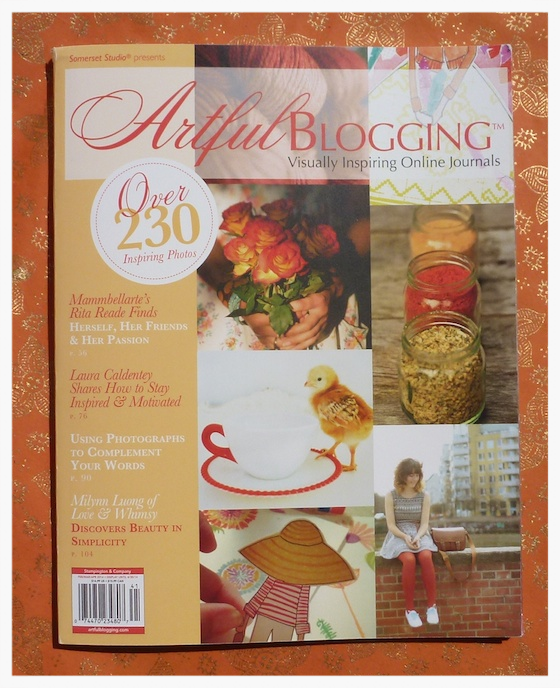
Artful Blogging is one of the Stunning Stampington & Company publications. My article is titled; " may I take your photo" and it is an eight page spread! I just have to wait for the magazine to arrive so I can photograph it and show you. Here is the beautiful cover.
From their webpage: Join the growing community of artful bloggers as they continue to share their mesmerizing stories and captivating photographs. This issue features DIY blogger Amber Kemp-Gerstel from Damask Love, scrapbooker Tina Walker, and mixed-media artist Michele Lynch. Travel the world with Cathy Ward from The Xtra Suitcase, and get to know Milynn Luong from Love and Whimsy and Lisa Clarke from Polk.
Now I will drive the hubby crazy asking him everyday if the mail has arrived (our US mail is delivered to his office not our home).
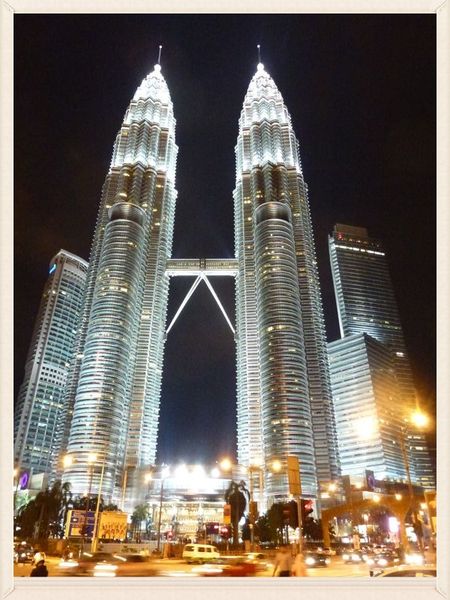
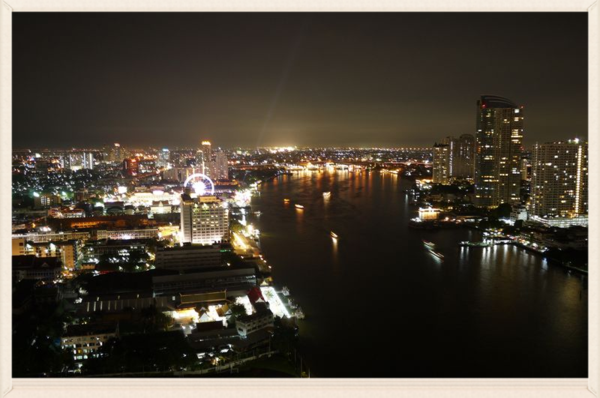
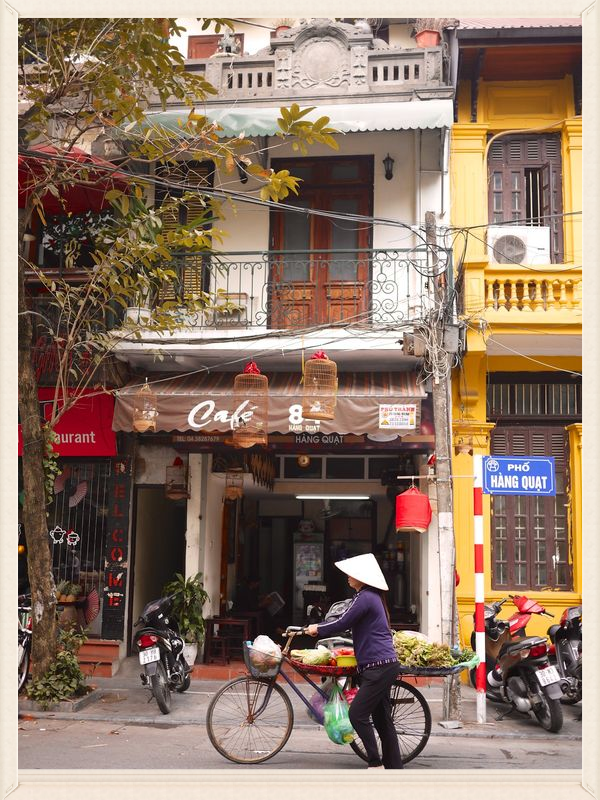
Countries we visited this year: Cambodia, India, Indonesia (2x), Malaysia (4x), Myanmar (new), Nepal (new), Thailand (3x), Vietnam (2x), USA (2x).
D was gone nine days more than me – he traveled to Indonesia 2x and Vietnam 2x without me.
We picked one photo to recap each trip and to best represent our experience/memory of that county. If you click on the link in blue, it will take you to the blog post for that trip.
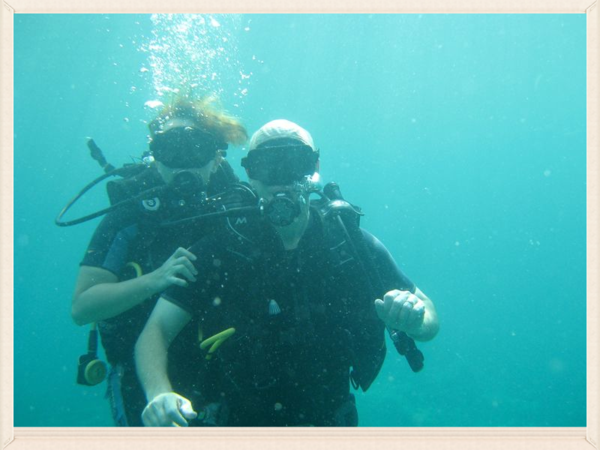
We had some amazing experiencing this year from playing with baby tigers, to celebrating my birthday in the jungle of Borneo, to seeing orangutans and proboscis monkeys, to scuba diving! My goal was to visit 50 countries by my 50th birthday and I made it. Our favorite country?? Nepal! Packed with history, culture, religion and tradition. We can't wait to share these photos with you.
Where will 2014 take us?
So far, scheduled trips are – Philippines, Australia, and Japan!
Happy New Year to each and every one of our blog readers. Thank you for coming along on our world adventure. And keep the notes coming… we love to hear from you!
My goal was to reach 50 countries before I turned 50 – I made it!
The men in the photo are not dressed up for tourists, they are real Sadhus (holy men). This was taken at the Pashupatinath Temple in Nepal.
Here is a list of all the counties I visited, in the order I visited them. If you click on the links in blue, you can go to the post on that country. Not all have blog posts, as some were pre-blog, and a few are posts from our second visit to the country.
For the record, D is at 52. He lived in the Philippines as a child and had a business trip to Saudi Arabia. However, as of January (we are going to the Philippines), he will only be one country ahead of me. I am pretty sure I will never make it to Saudi… so in 2014, I plan to sneak out in the middle of the night, fly to Brunei or Sri Lanka and come home before he realizes I am gone : )
Check back in Janaury for the Nepal post – such an AMAZING place to visit!

































































































































 The XtraSuitcase